01July 2026

Alaska Cruise

Our first cruise — eleven days between ice and water, with a wheelchair and a tri-cycle, and the quiet proof that big adventures are still possible, even with Parkinson's.

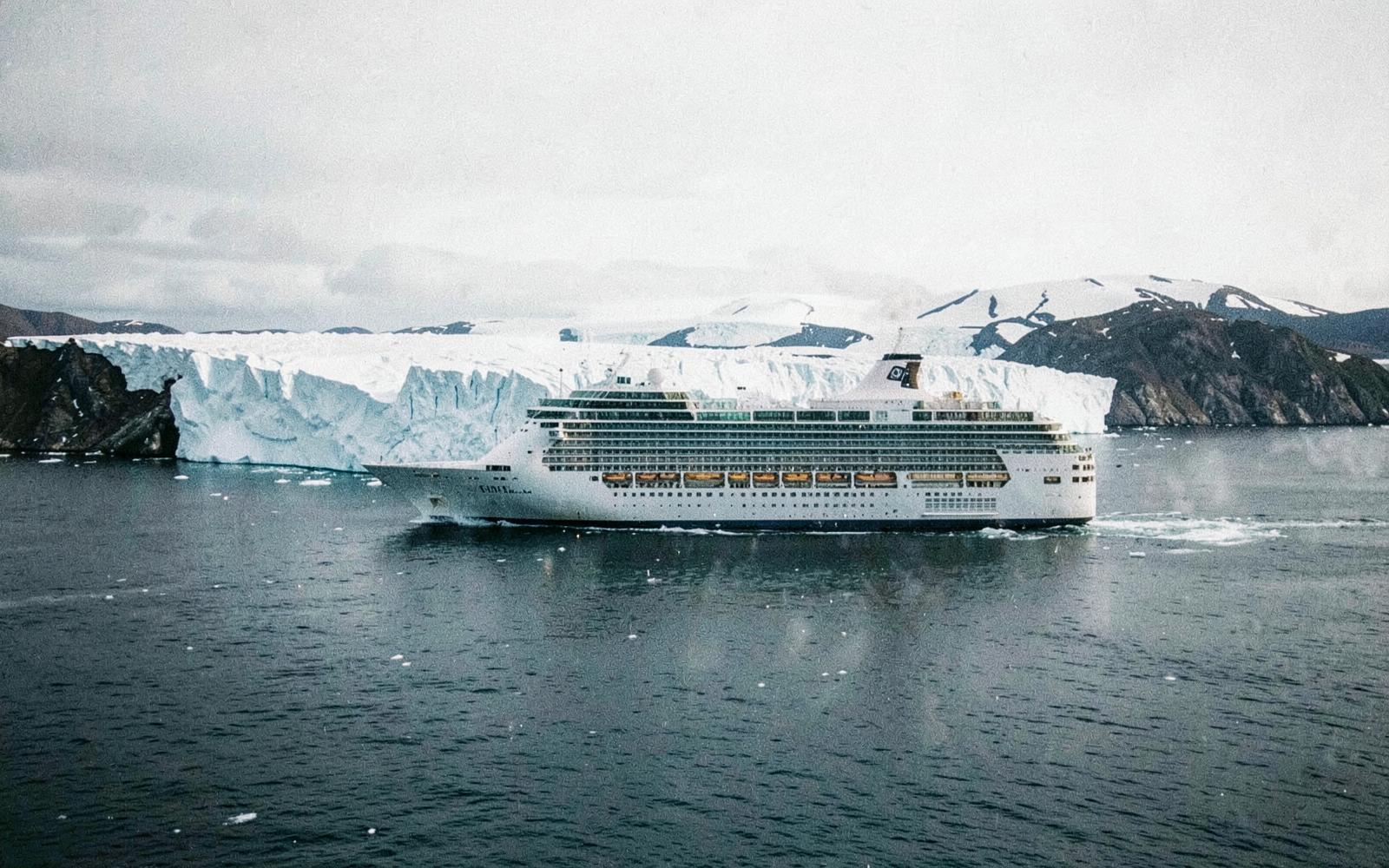
A cruise ship passing a tidewater glacier under a pale Alaskan sky
Alaska, 2026

From the notebook

In July 2026, we took our first cruise to Alaska — with my wheelchair and tri-cycle. As someone with Parkinson's, I was nervous about getting around, but the ship was mostly easy to navigate, with elevators, wide hallways, and staff who always made space for me.

We sailed north through the Inside Passage with the mountains close enough to read, and every hour the water changed colour — slate, jade, then a milky blue where the glacial silt ran in.

The round trip began in Seattle, then linked Ketchikan, Icy Strait, Sitka, Juneau and Glacier Bay before continuing south to Victoria, British Columbia, and returning to Seattle.

The best hour of the trip cost nothing: standing on deck at midnight, listening to ice fall into the sea.

Cruise · Coast to glacier

The route

Seattle to Ketchikan, Icy Strait, Sitka, Juneau and Glacier Bay, then south to Victoria, British Columbia, and back to Seattle.

Open the full map page →
1Seattle · depart2Ketchikan3Icy Strait4Sitka5Juneau6Glacier Bay7Victoria, BC8Seattle · return
Cruise route schematic · not to scale

Route summary

  1. Seattle Ketchikan

    North into Alaska's Inside Passage.

  2. Ketchikan Icy Strait

    North along the Southeast Alaska coast.

  3. Icy Strait Sitka

    Across the northern Inside Passage to Sitka.

  4. Sitka Juneau

    Along the Alaska coast to Juneau.

  5. Juneau Glacier Bay

    Into the glacial waters of Glacier Bay.

  6. Glacier Bay Victoria, BC

    South through the Inside Passage to Vancouver Island.

  7. Victoria, BC Seattle

    The final leg completes the round trip.

Ports & passages

Reflection

Big adventures, a few adjustments

In July 2026, we went on our first cruise to Alaska with my wheelchair and tri-cycle. As someone with Parkinson's, I felt both excited and nervous about how easy it would be to get around on the ship. This is what worked, what didn't, and why I believe big adventures are still possible, even when dealing with challenges.

The ship was mostly easy to navigate, with elevators in key areas, wide hallways, and helpful staff who always made space for me to pass through. My tri-cycle sparked conversations with other passengers who often stopped to ask questions, share tips, and encourage me. There were some challenges, like tight bathroom doors in some public areas and busy buffet lines, but we managed to enjoy each day with a little planning and patience.

If you use a wheelchair, a mobility aid, or travel with Parkinson's, I recommend an Alaska cruise — especially on a newer ship with an accessible cabin. You can enjoy the beautiful views, wildlife, and relaxing sea days without the hassle of moving in and out of cars or handling luggage every night. Below are a few photos from the trip showing both the stunning beauty of Alaska and the joy of finding accessible ways to keep exploring.
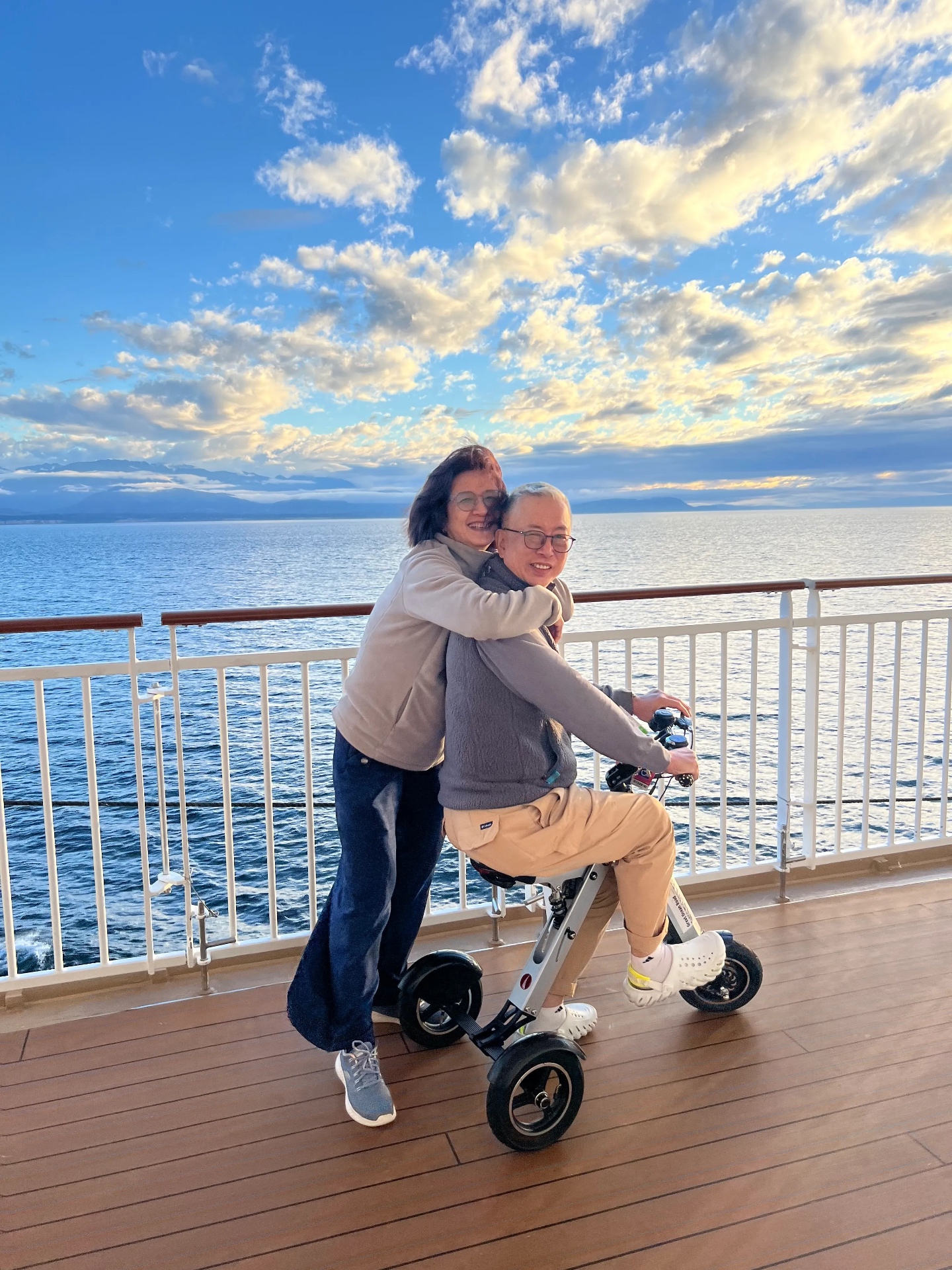
Ken riding his white three-wheeled mobility tri-cycle on the ship's deck at sunset, with Becky standing behind him with her arms around his shoulders, calm sea and mountains behind
On deck with the tri-cycle

Departure

Seattle

Seattle was the beginning of our round-trip Alaska cruise — our first cruise, with my wheelchair and tri-cycle.

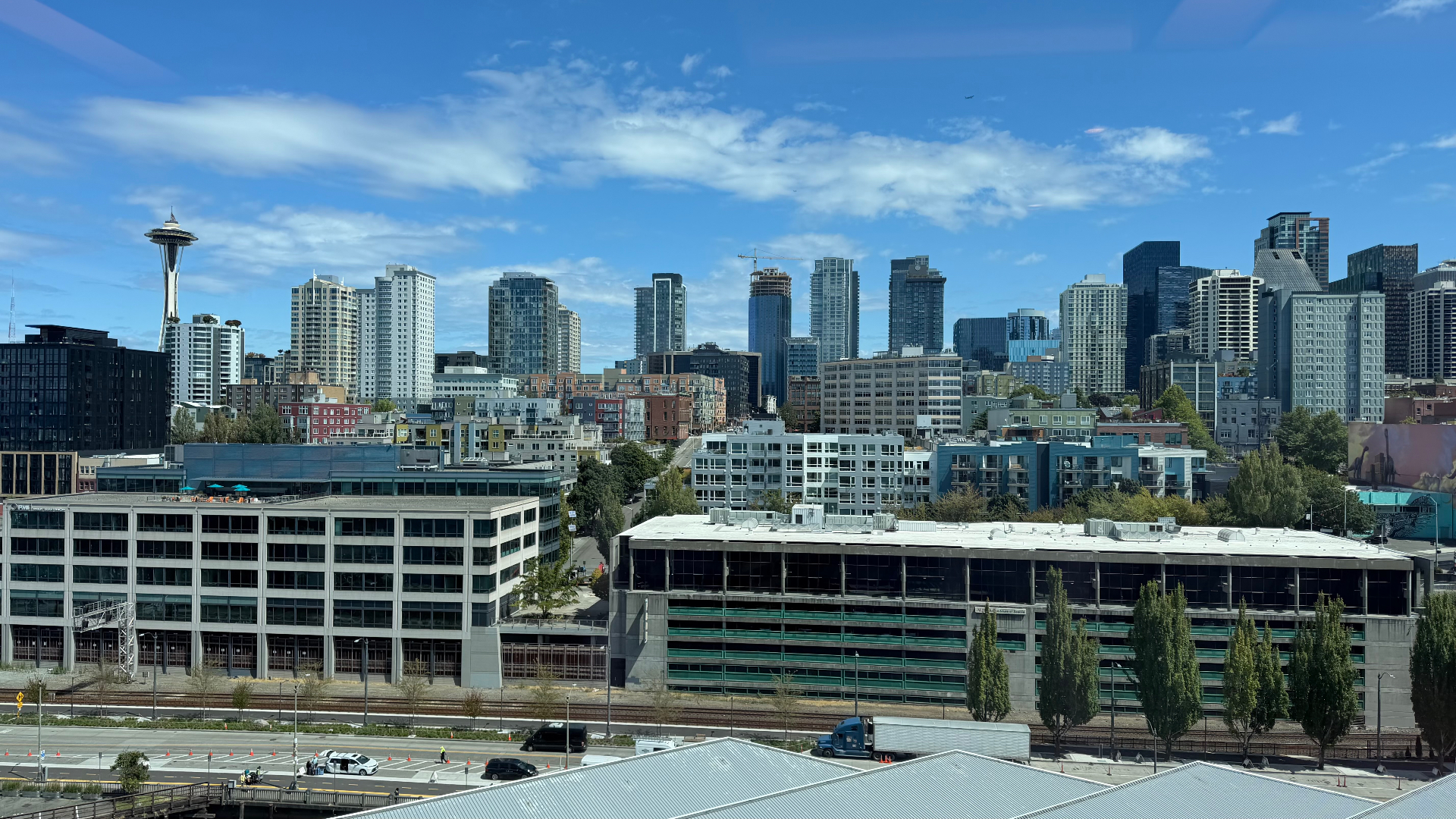
The Seattle skyline with the Space Needle visible, seen from the cruise terminal at Pier 66 under a bright sky
Seattle skyline from the terminal
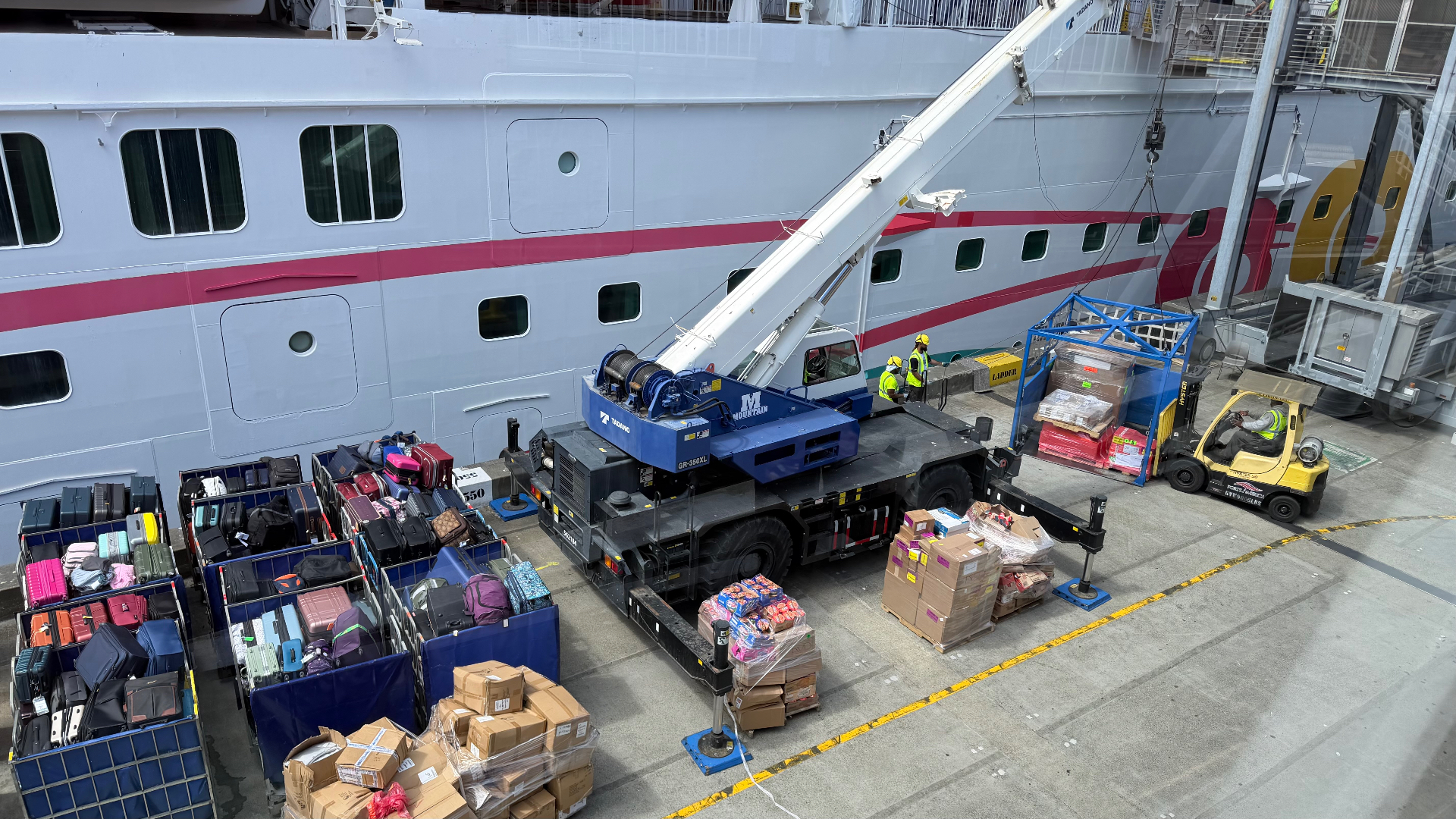
A blue and white crane loading luggage and cargo pallets onto a white cruise ship at the Seattle dock
Loading up before departure
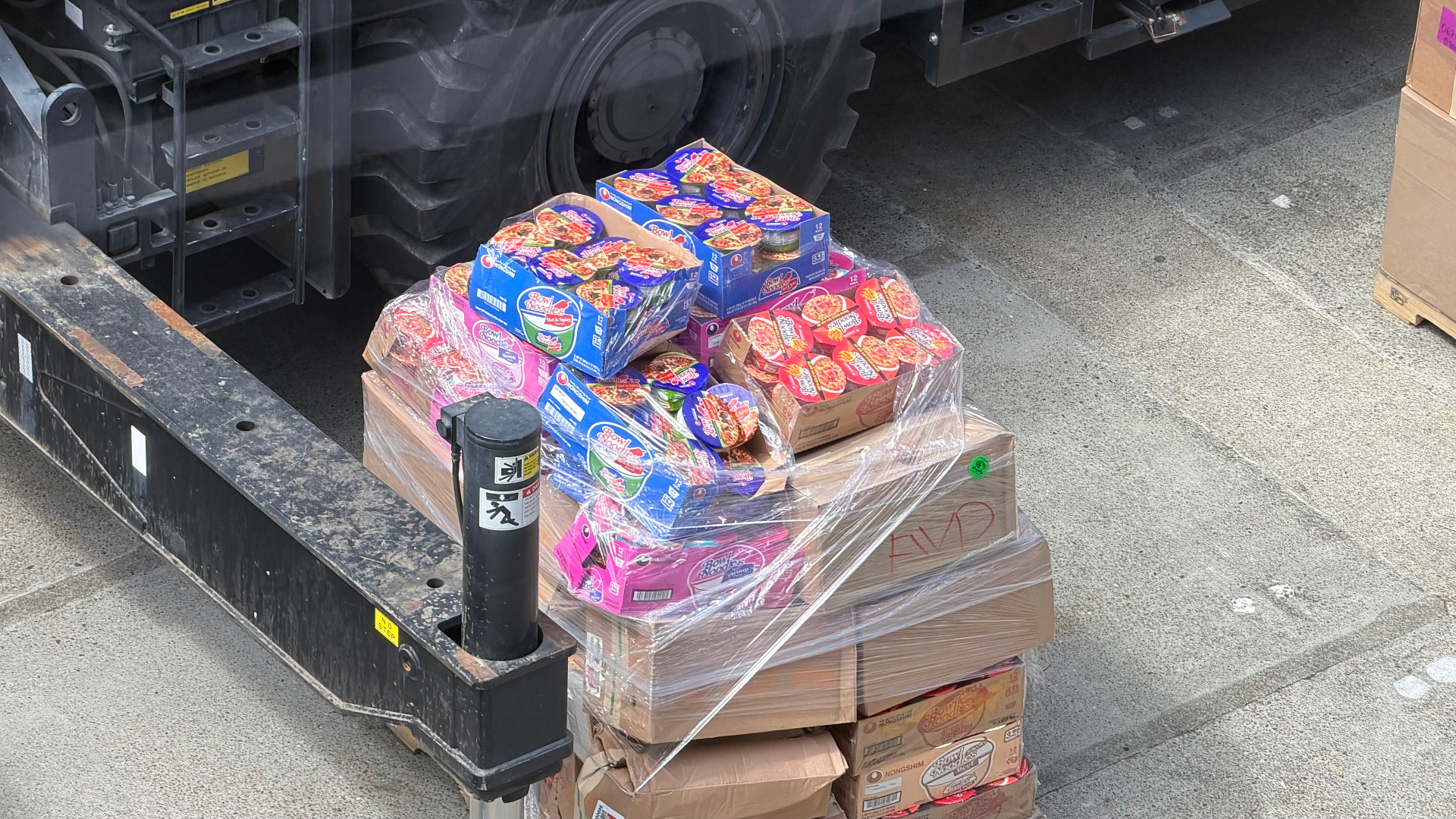
A close-up of pallets of food supplies and instant noodles wrapped in plastic film on the dock, ready to be loaded aboard
Provisions for the voyage

Port 1

Ketchikan

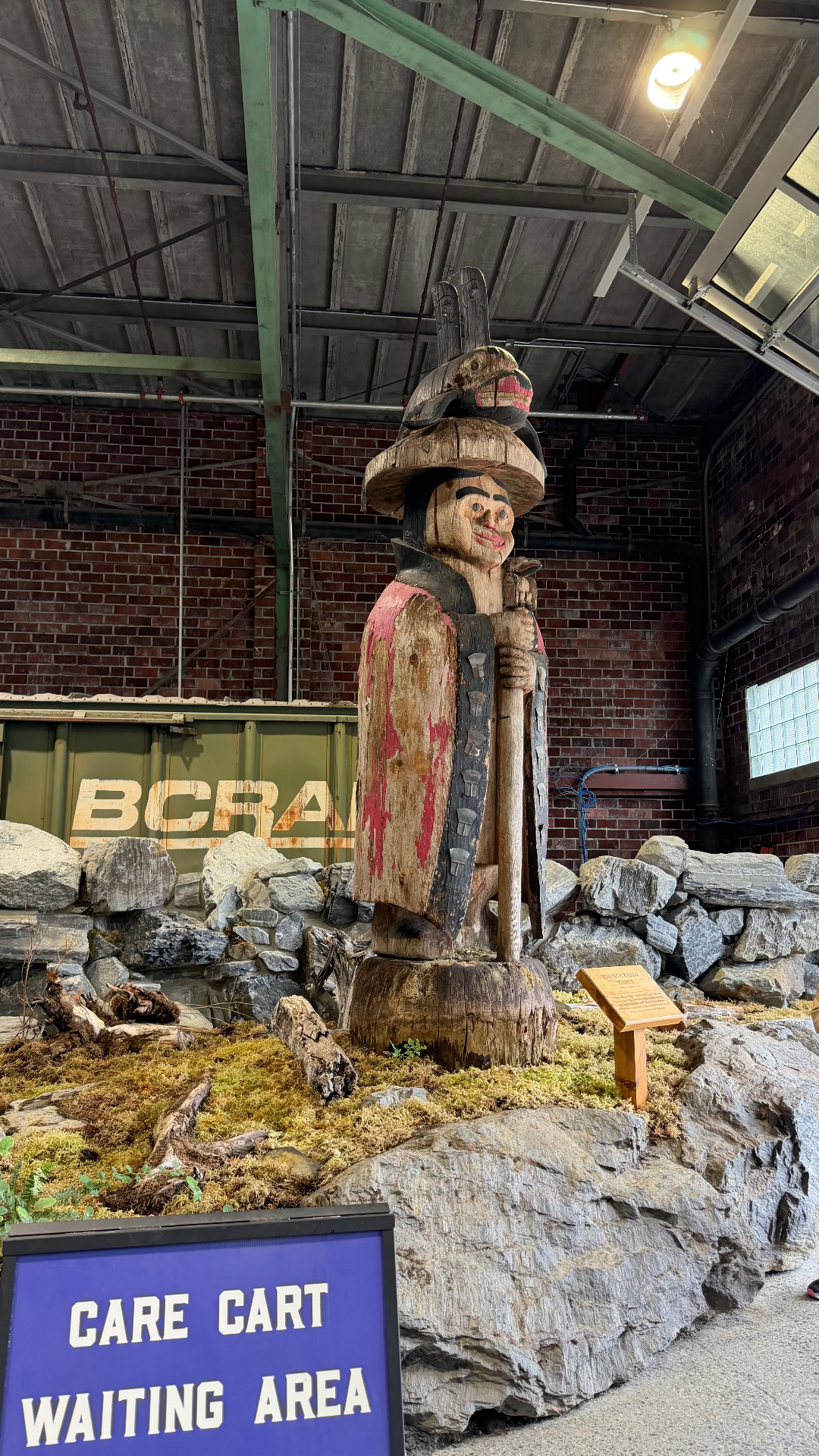
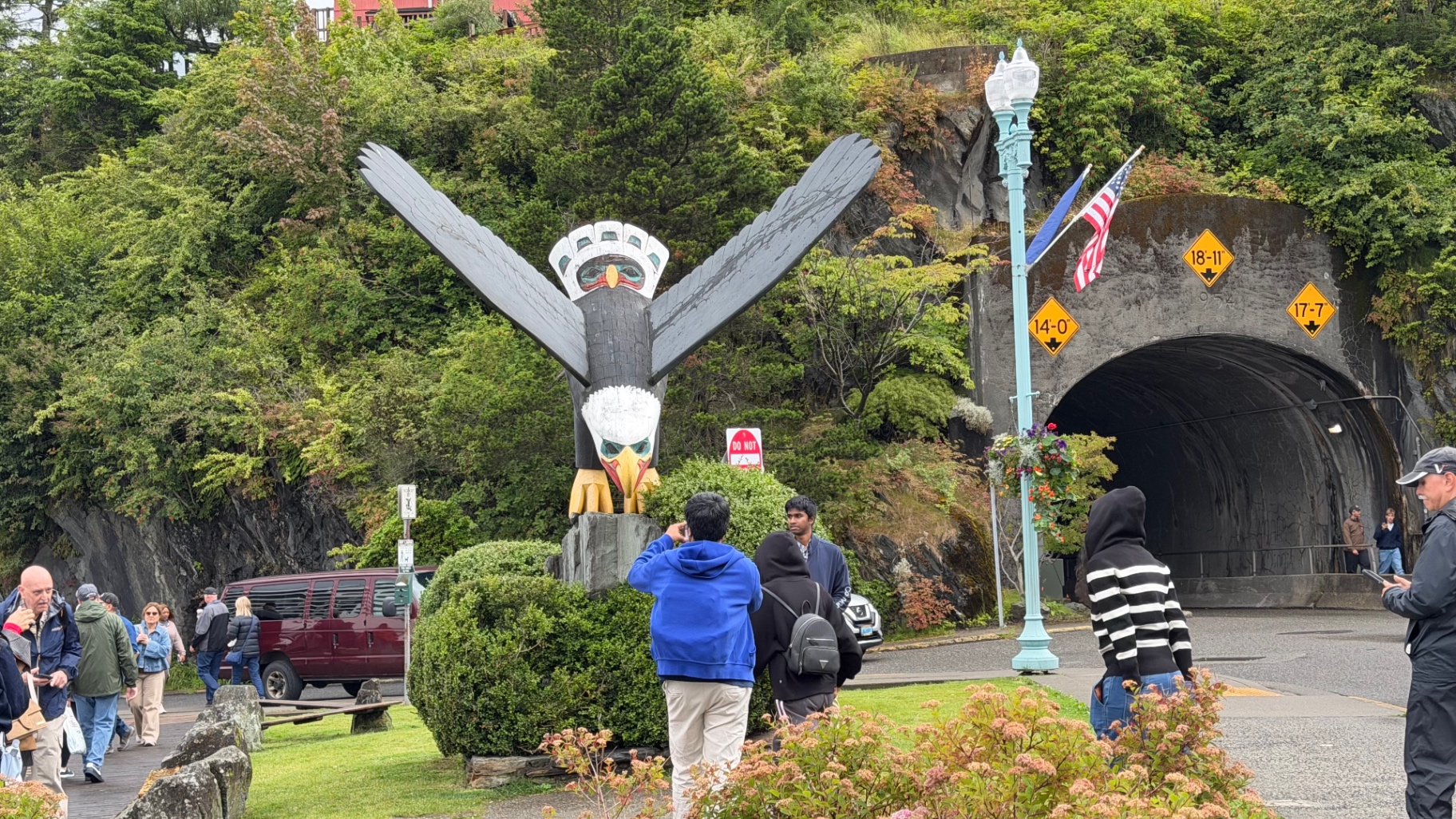
Ketchikan faces the Inside Passage, the cruise route along Alaska's southeastern coast, and it greets you with both natural beauty and a living local culture. The town is known for its many Native American totem poles, on display throughout the streets — each one telling a unique story that reflects the traditions and histories of the tribes of the Pacific Northwest.

Nearby, Misty Fiords National Monument is a glacier-carved wilderness of snowcapped mountains, breathtaking waterfalls, and serene salmon spawning streams — a picturesque backdrop for hiking and kayaking. It's also rich in wildlife, including black bears, wolves, and bald eagles, making it a prime location for wildlife enthusiasts and photographers alike.
The combination of cultural significance and natural splendor makes Ketchikan a captivating stop — a place that feels like the very essence of Alaska.

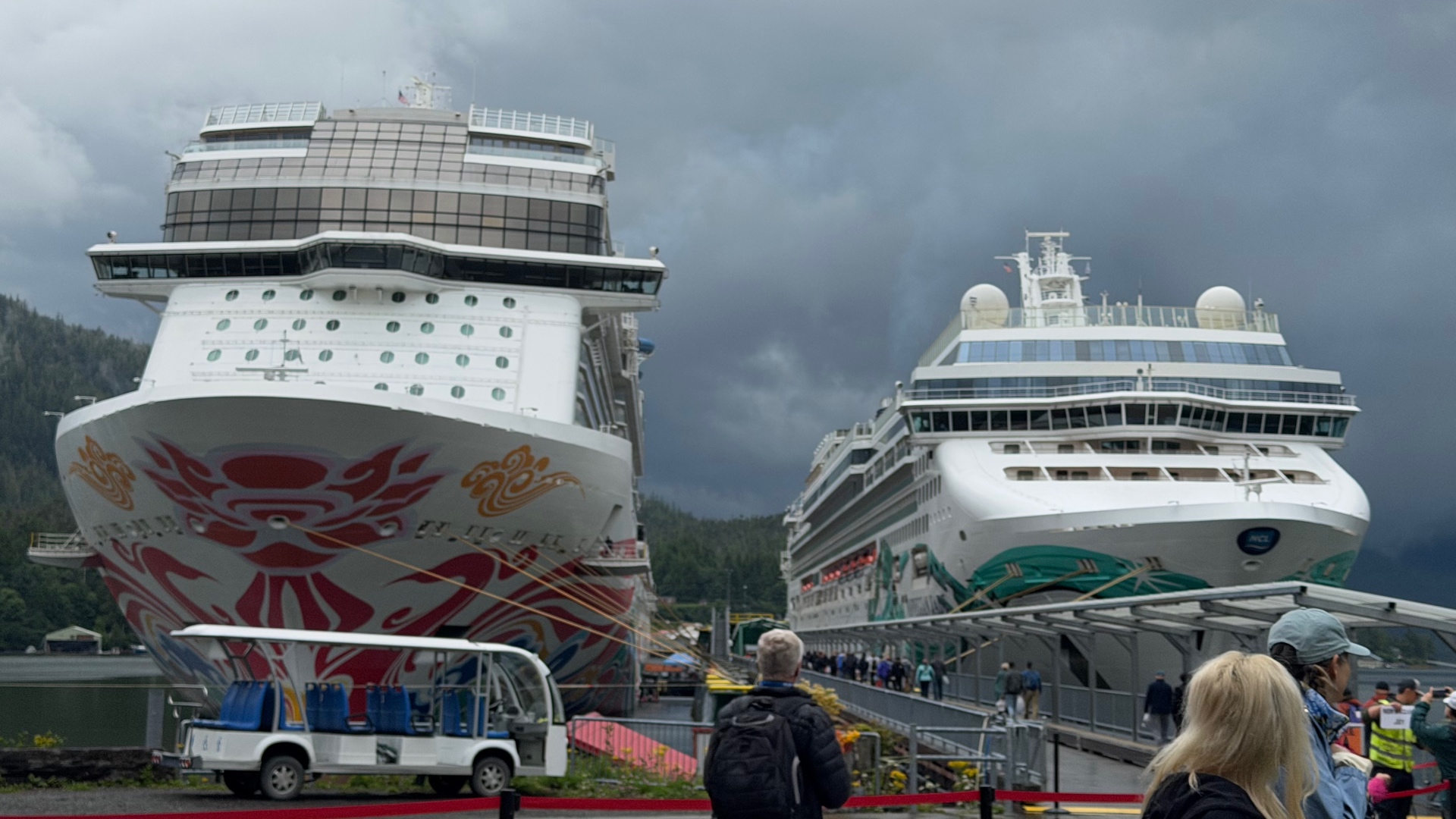
Two cruise ships berthed side by side at Ketchikan under heavy grey clouds, one with a large red and orange Native-inspired hull design
Berthed at Ketchikan
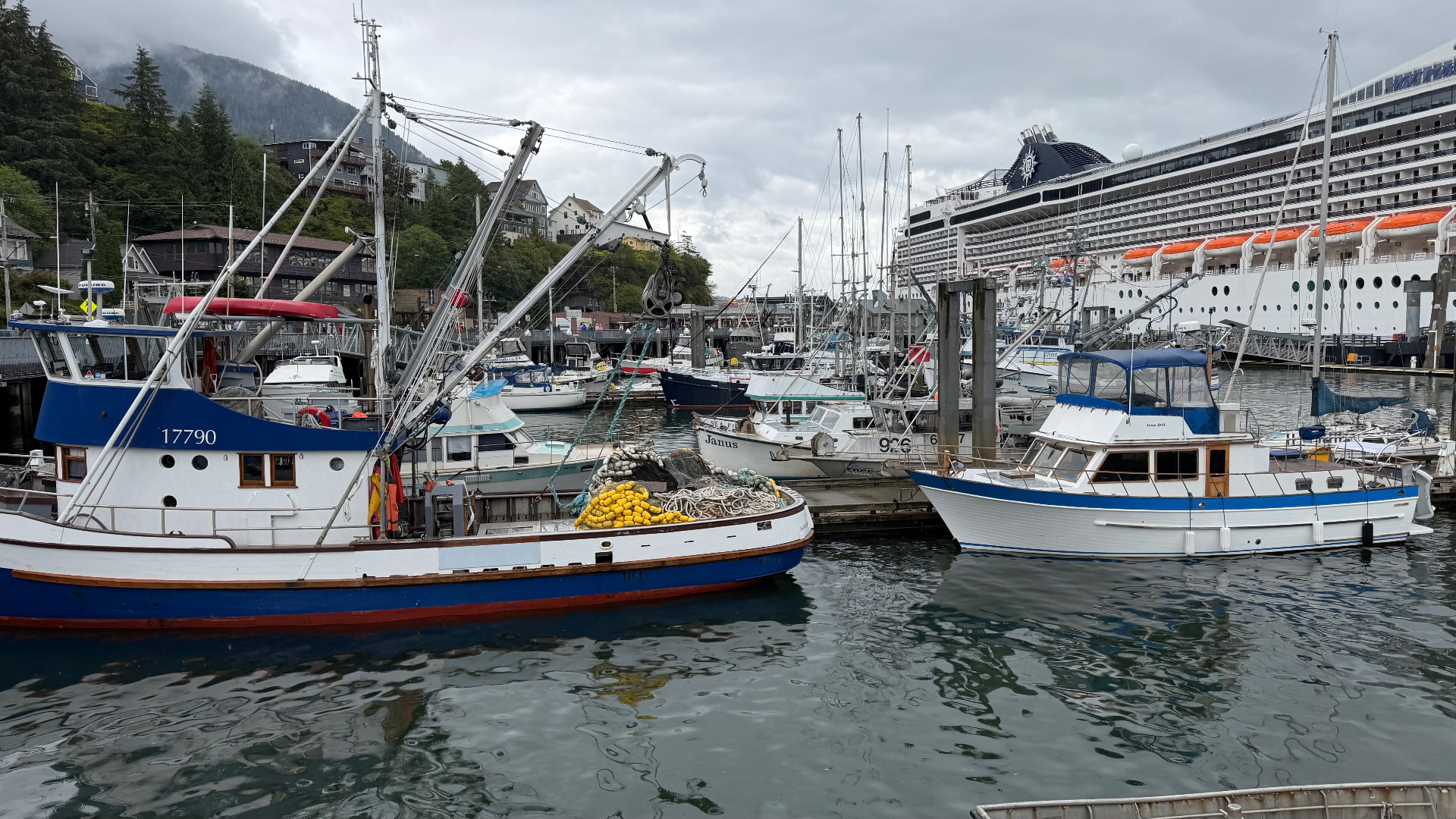
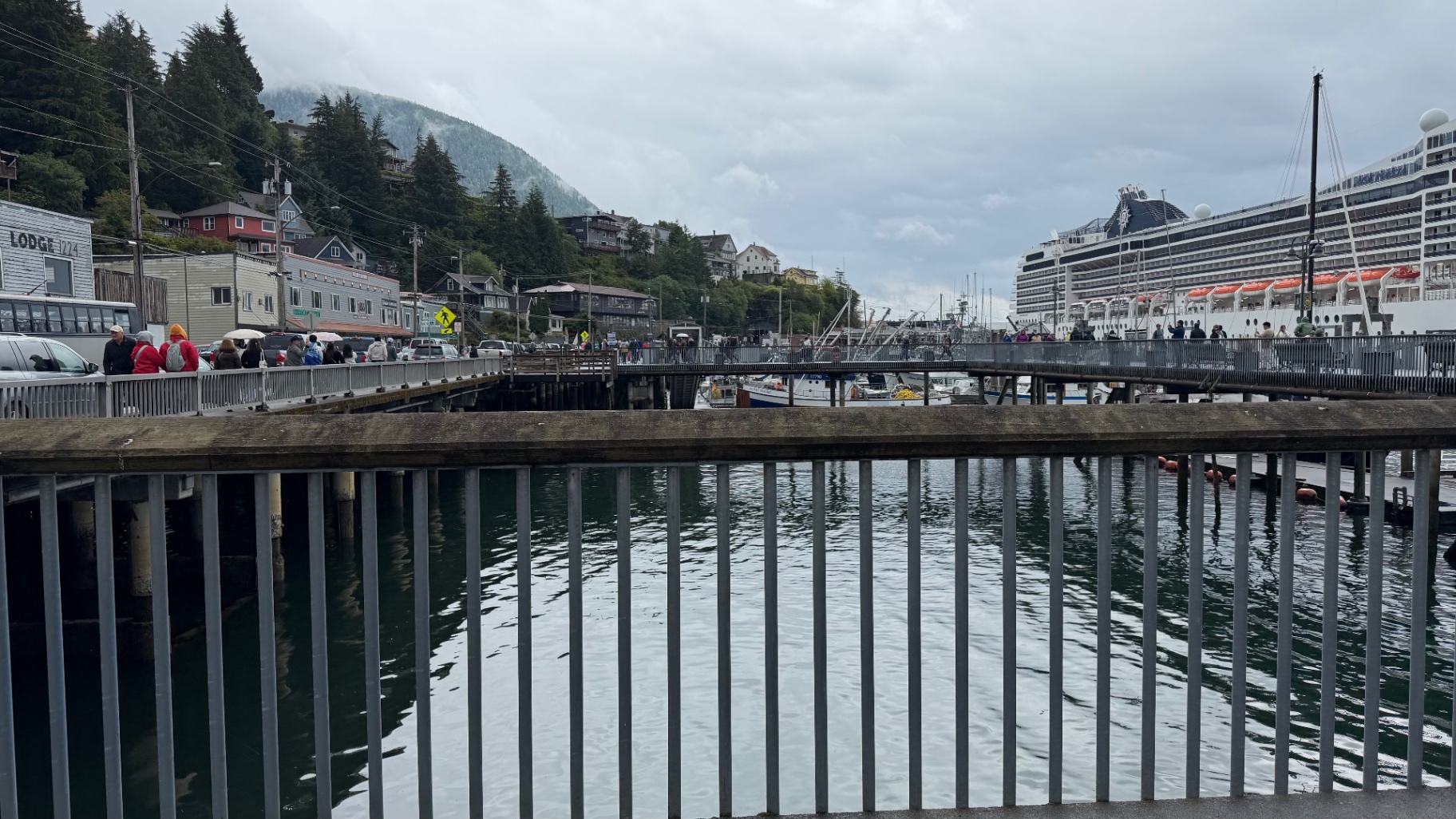
Fishing boats moored in Ketchikan's marina with nets and floats on deck, hillside houses behind and a large cruise ship at the dock
The working harbour
A carved and painted totem figure wearing a woven hat with a bird on top, holding a staff, displayed indoors on a mossy rock bed
A carved welcome figure
Ketchikan waterfront seen across the harbour, with hillside houses, fishing boats and a large cruise ship at the dock
The harbour front
A carved eagle totem with outstretched wings standing beside a rock tunnel entrance in Ketchikan, with visitors taking photographs
Eagle totem by the tunnel
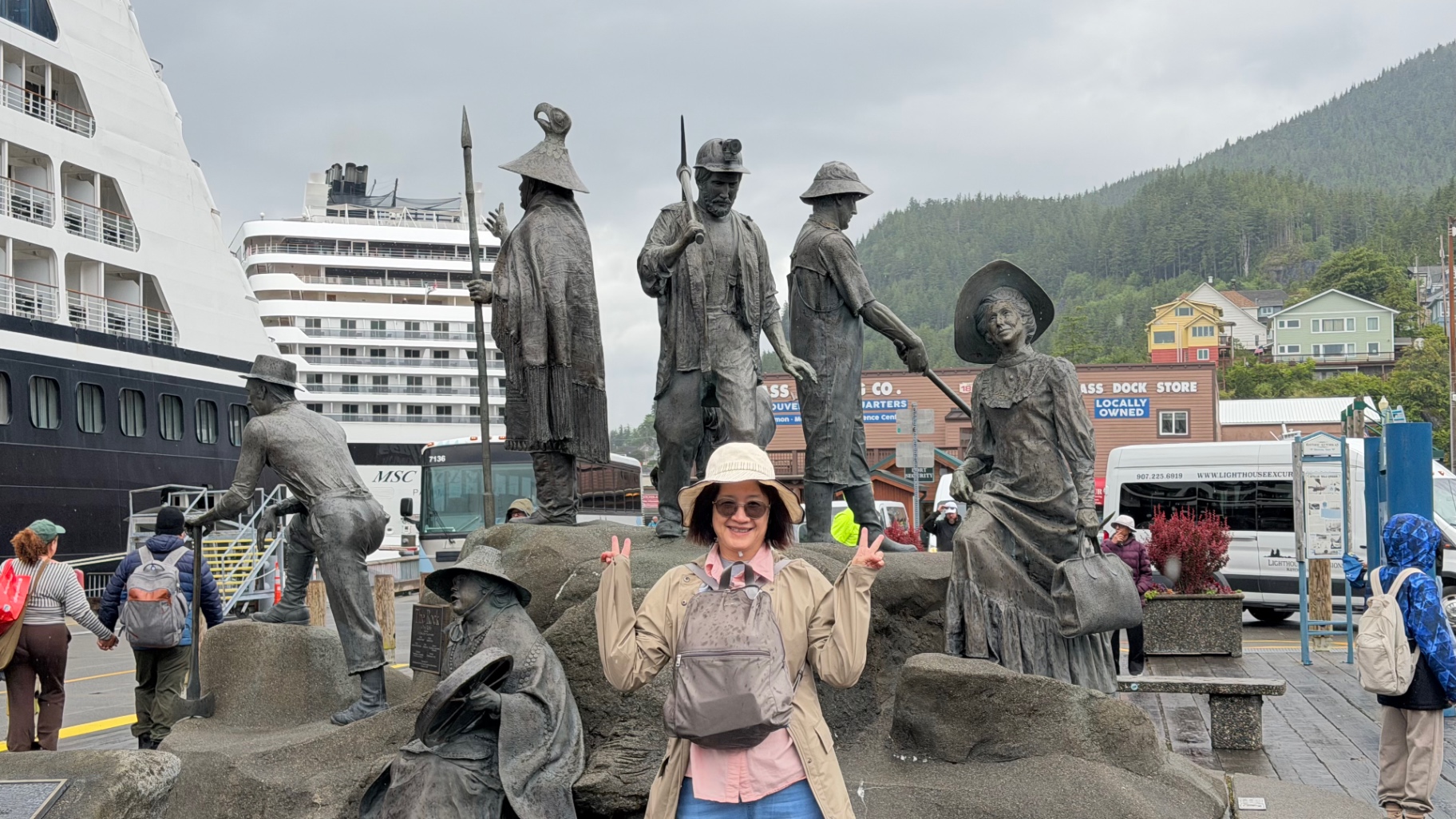
Becky standing in front of Ketchikan's bronze Rock pioneers sculpture group, making peace signs and smiling
With the pioneer sculptures
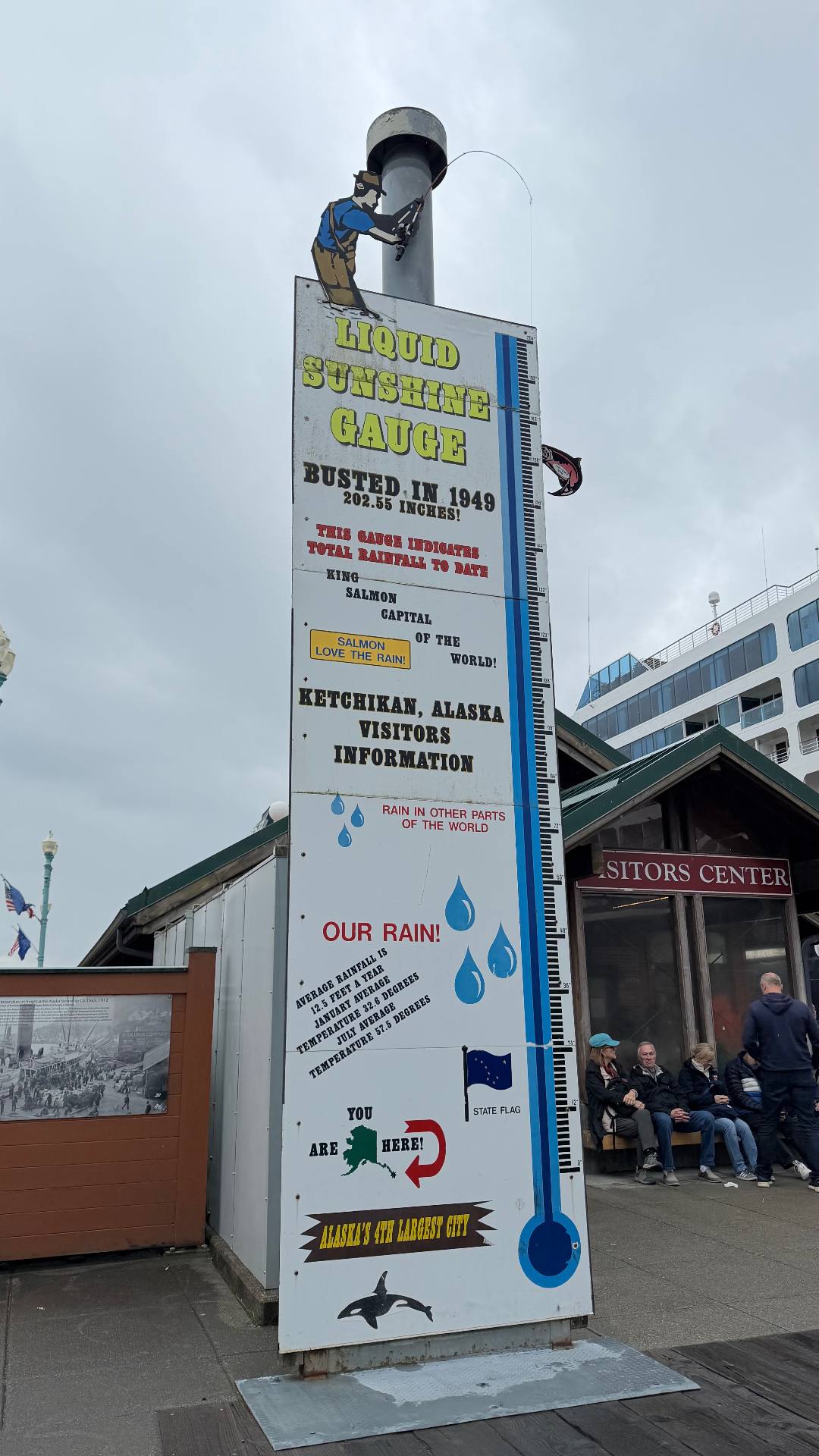
Ketchikan's tall Liquid Sunshine Gauge sign outside the visitors centre, recording the town's annual rainfall
The Liquid Sunshine Gauge
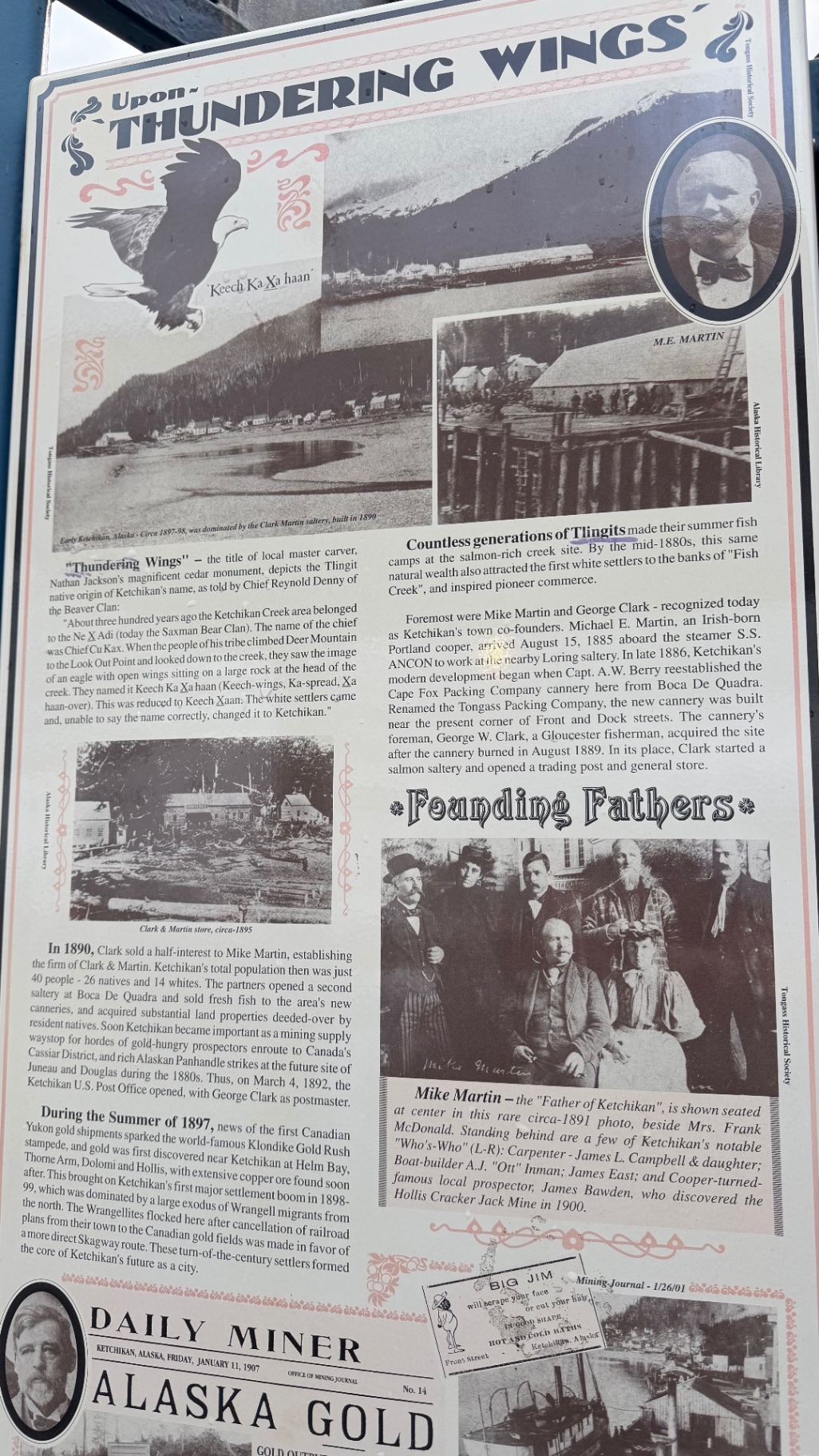
A historical panel titled Upon Thundering Wings telling the Tlingit origin of Ketchikan's name and the story of the town's founders
How Ketchikan got its name
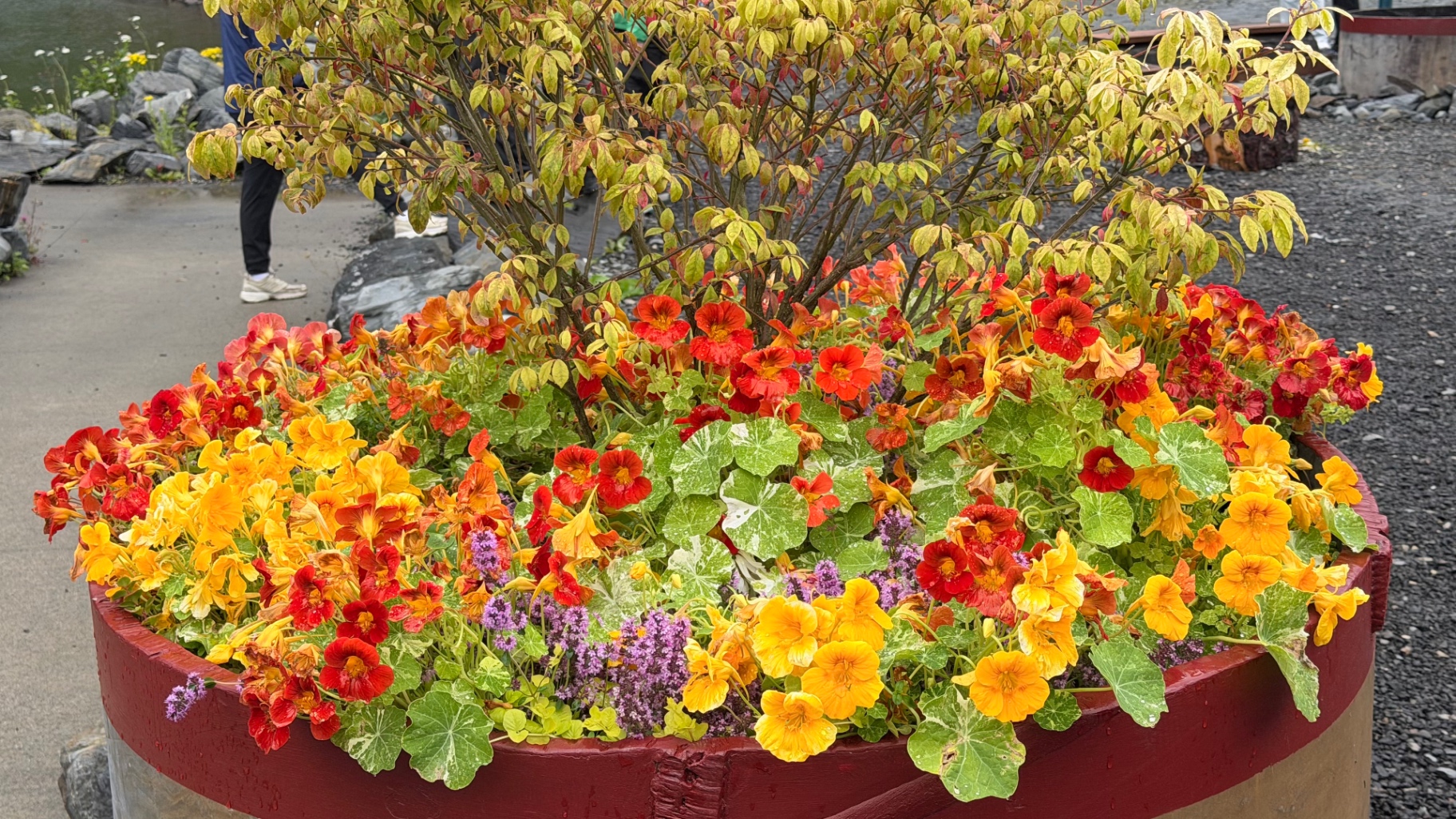
A large red barrel planter filled with red, orange and yellow nasturtiums beside the water in Ketchikan
Nasturtiums by the water
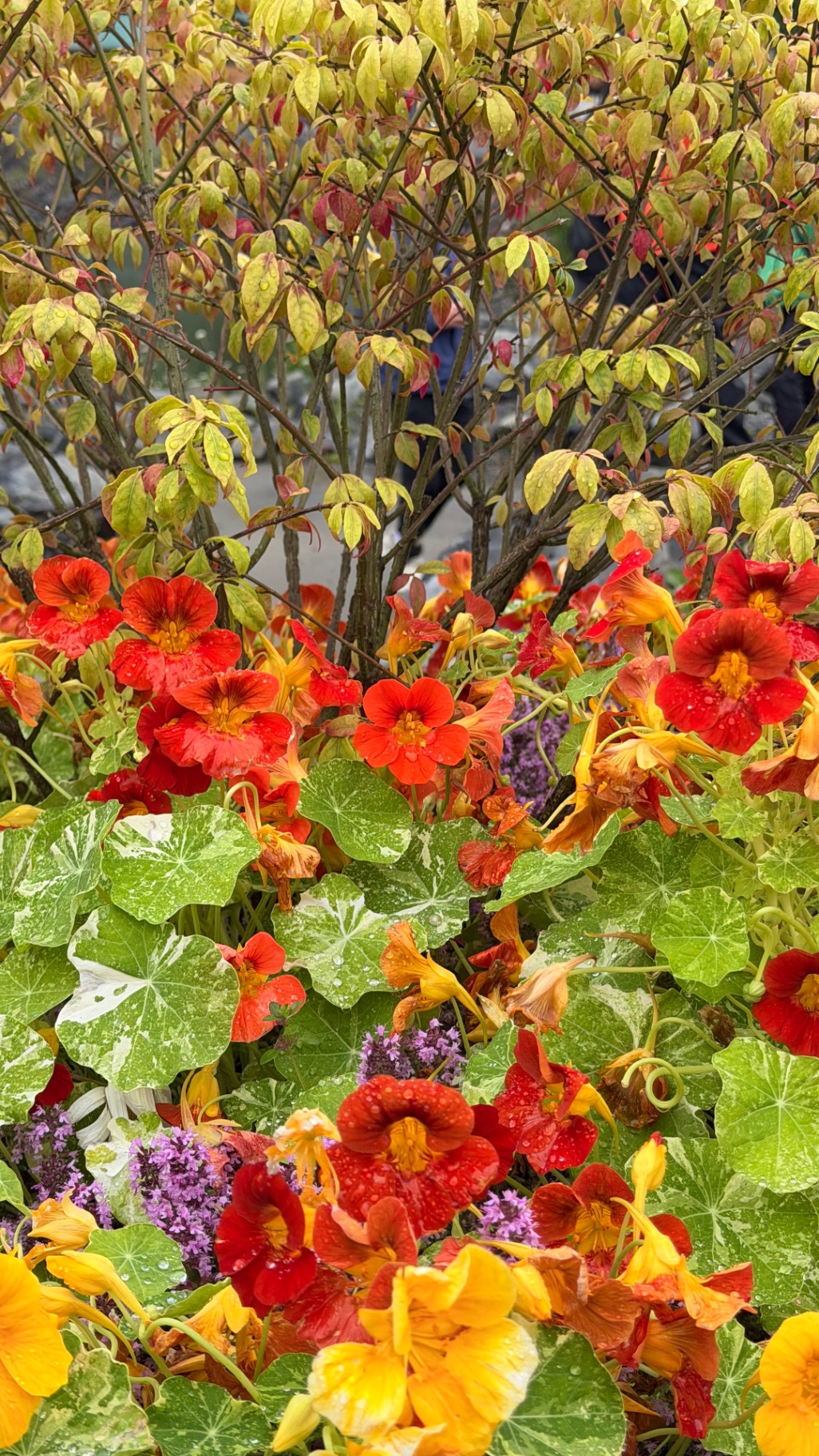
Close view of rain-speckled red and orange nasturtium flowers and round green leaves
Rain-fed colour

Port 2

Icy Strait

Icy Strait was our next stop in Alaska's Inside Passage.

Port 3

Sitka

Sitka is an Alaskan city and borough near Juneau, the state capital, known for its stunning natural beauty and rich cultural heritage. It spreads over Baranof Island, part of Chichagof Island, and several smaller islands that offer breathtaking coastal scenery.

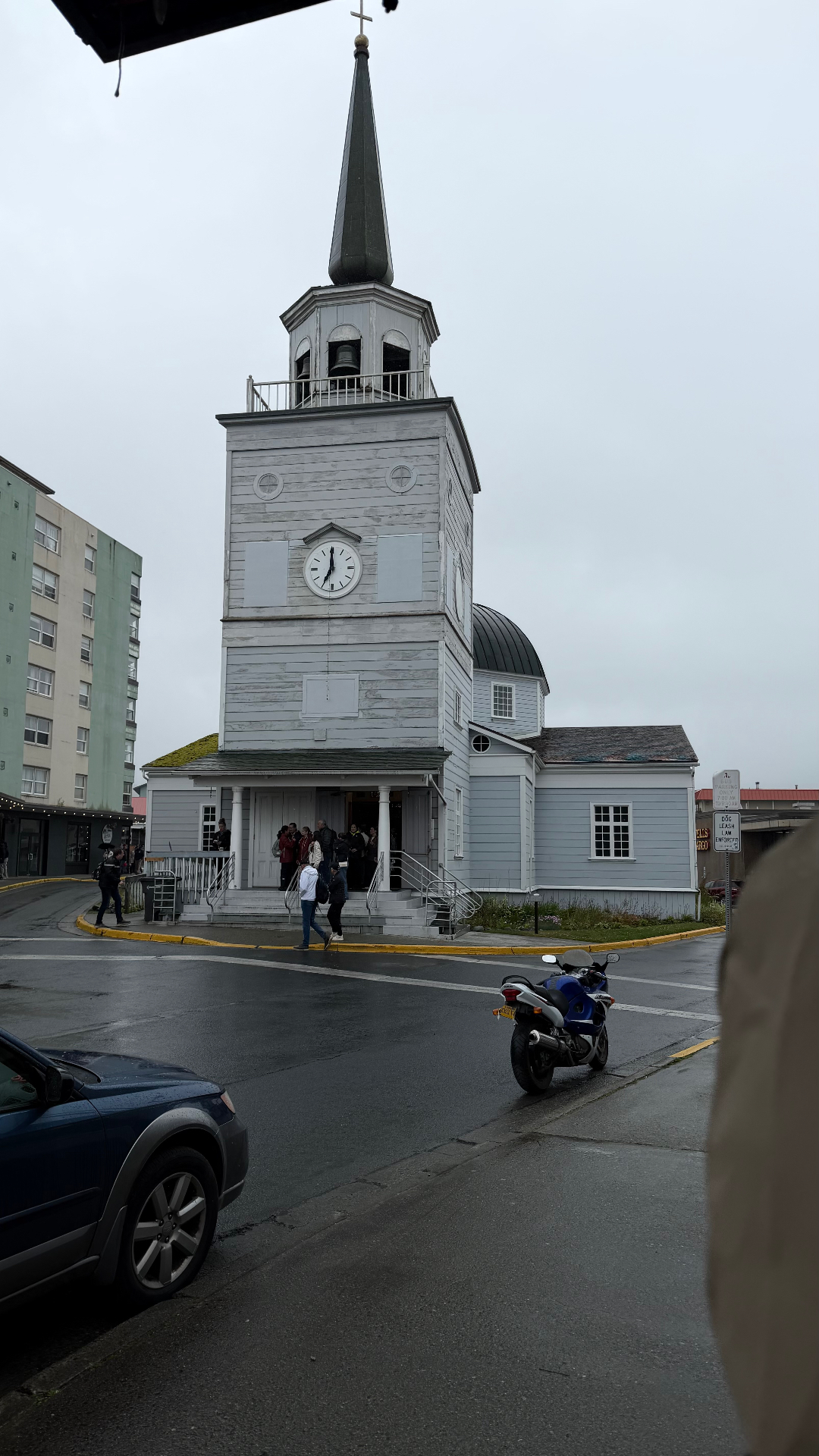
It was part of Russia until 1867, a slice of history that shaped the region's unique character. St. Michael's Orthodox Cathedral, a beautiful architectural gem topped with a distinctive onion dome, reflects that Russian heritage. The 1842 Russian Bishop's House stands nearby, an important historical structure and a testament to the area's past.

Sitka National Historical Park commemorates the site of Russia's defeat of the indigenous Tlingit people during a pivotal moment in history, and features a scenic trail dotted with impressive totem poles that showcase the artistic tradition of the local Native American culture. This blend of history, nature, and heritage makes Sitka a remarkable destination for visitors and residents alike.

St. Michael's Orthodox Cathedral in Sitka, a white wooden church with a clock tower, bell tower and dark onion dome, on a rainy street corner
St. Michael's Orthodox Cathedral
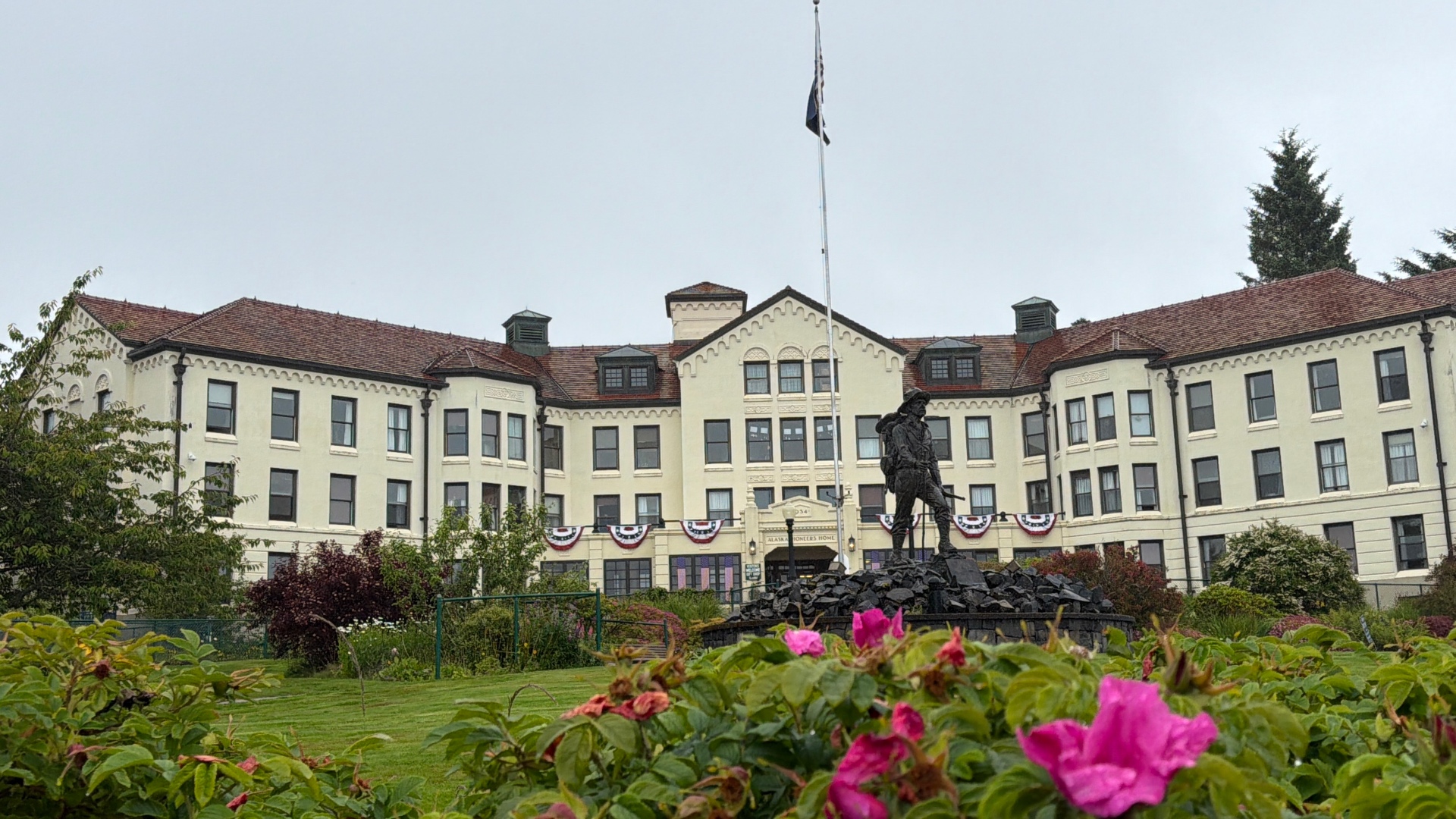
The Alaska Pioneers Home, a large cream building with a red tile roof, seen across a lawn with a bronze prospector statue and pink roses in the foreground
The Alaska Pioneers Home and the Prospector
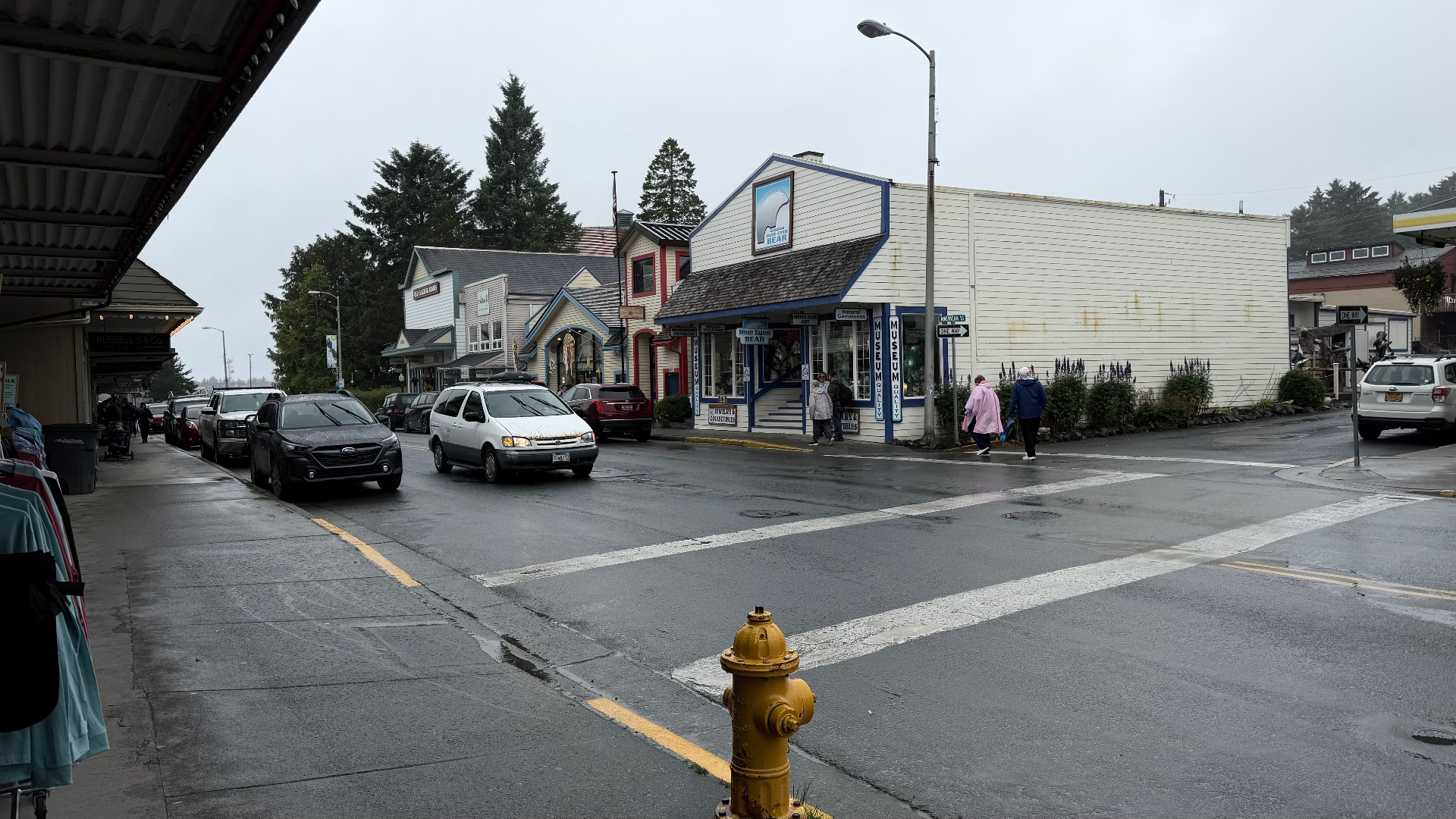
A wet main street in Sitka lined with small shops and galleries, cars parked along the kerb under a grey sky
Downtown Sitka in the rain
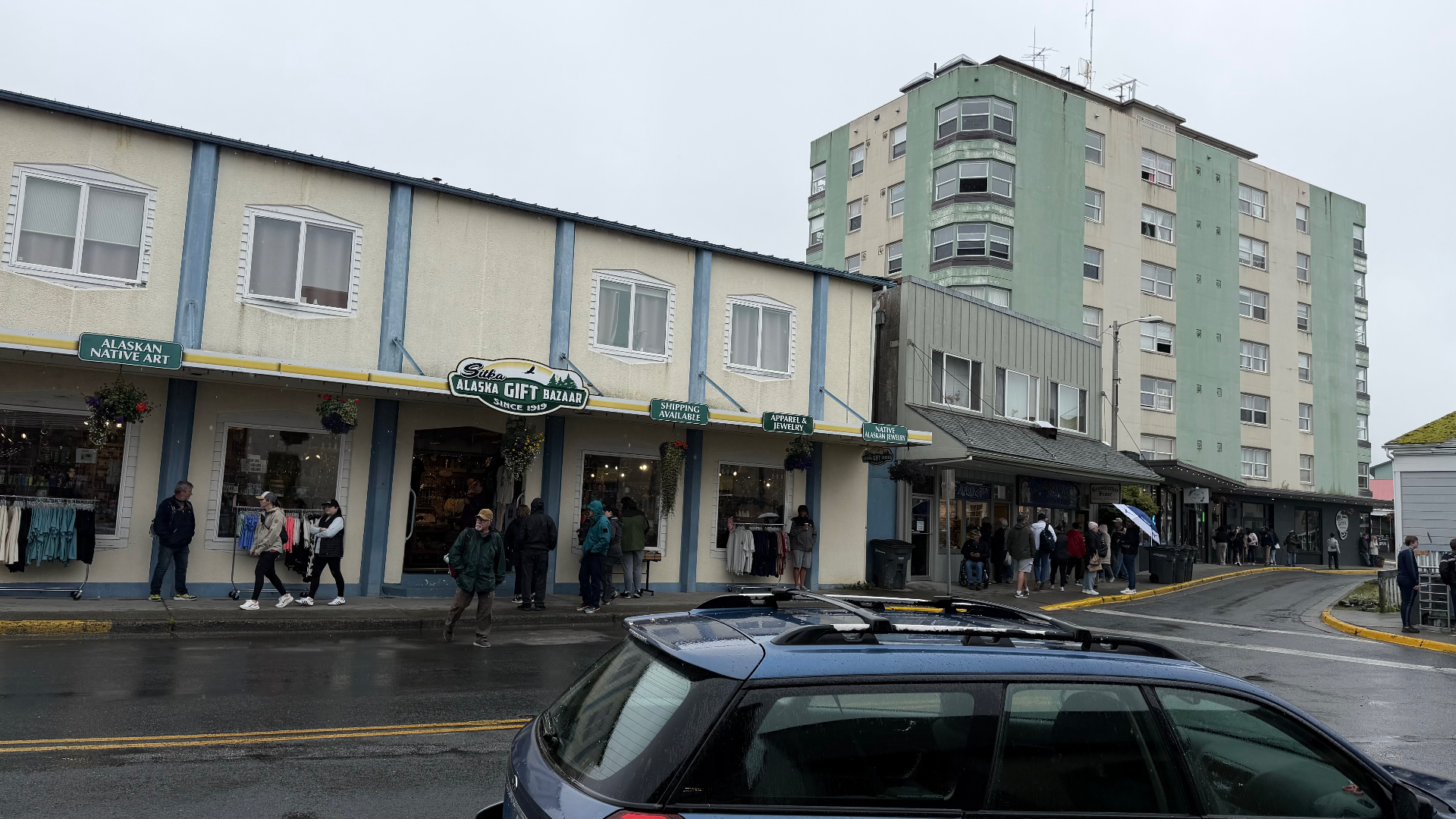
The Sitka Alaska Gift Bazaar storefront with Alaskan Native art signs and shoppers walking along the pavement
Gift bazaar on Lincoln Street
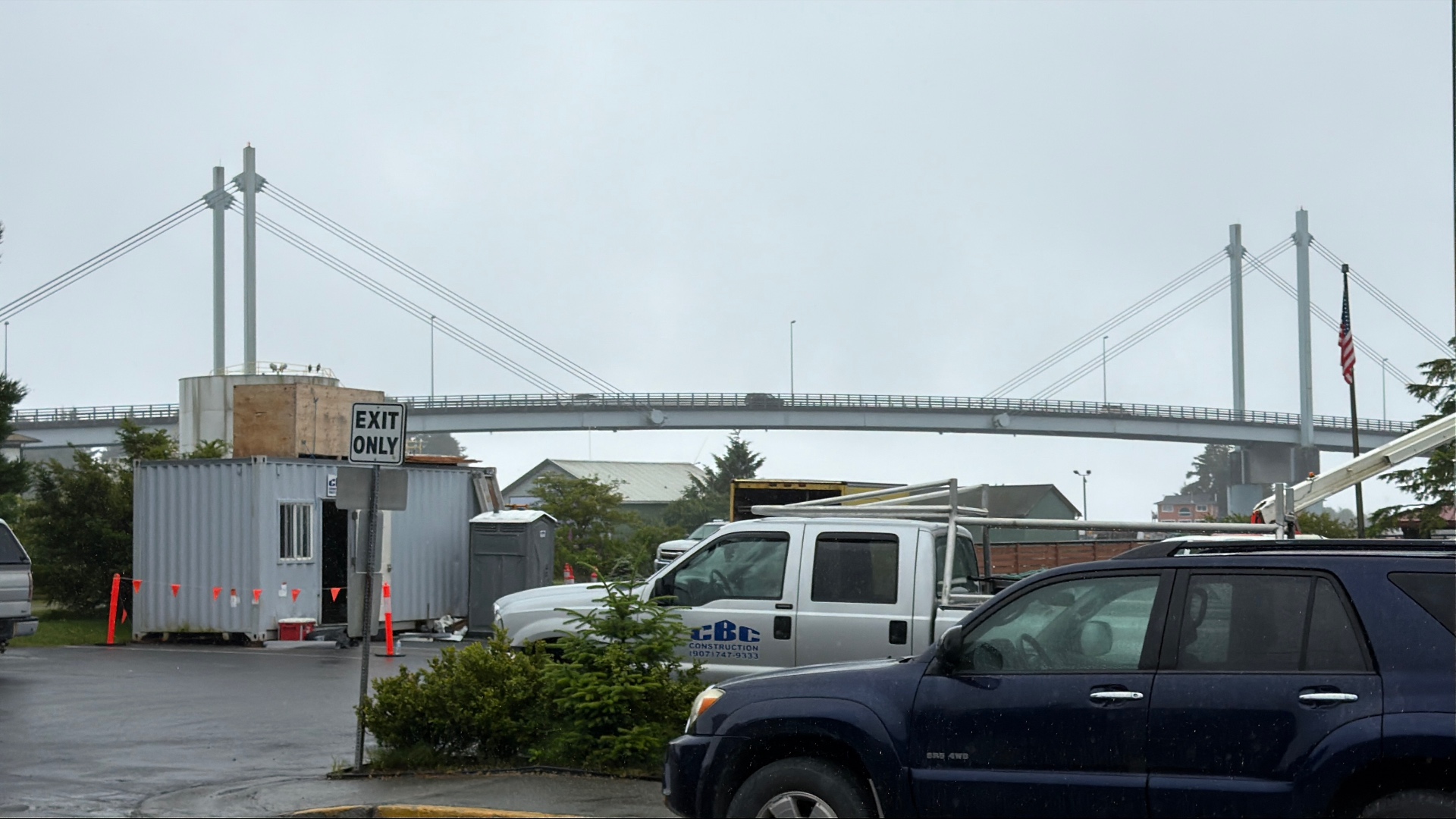
The cable-stayed John O'Connell Bridge arching over the channel in Sitka, seen from a car park on a grey wet day
The bridge across the channel
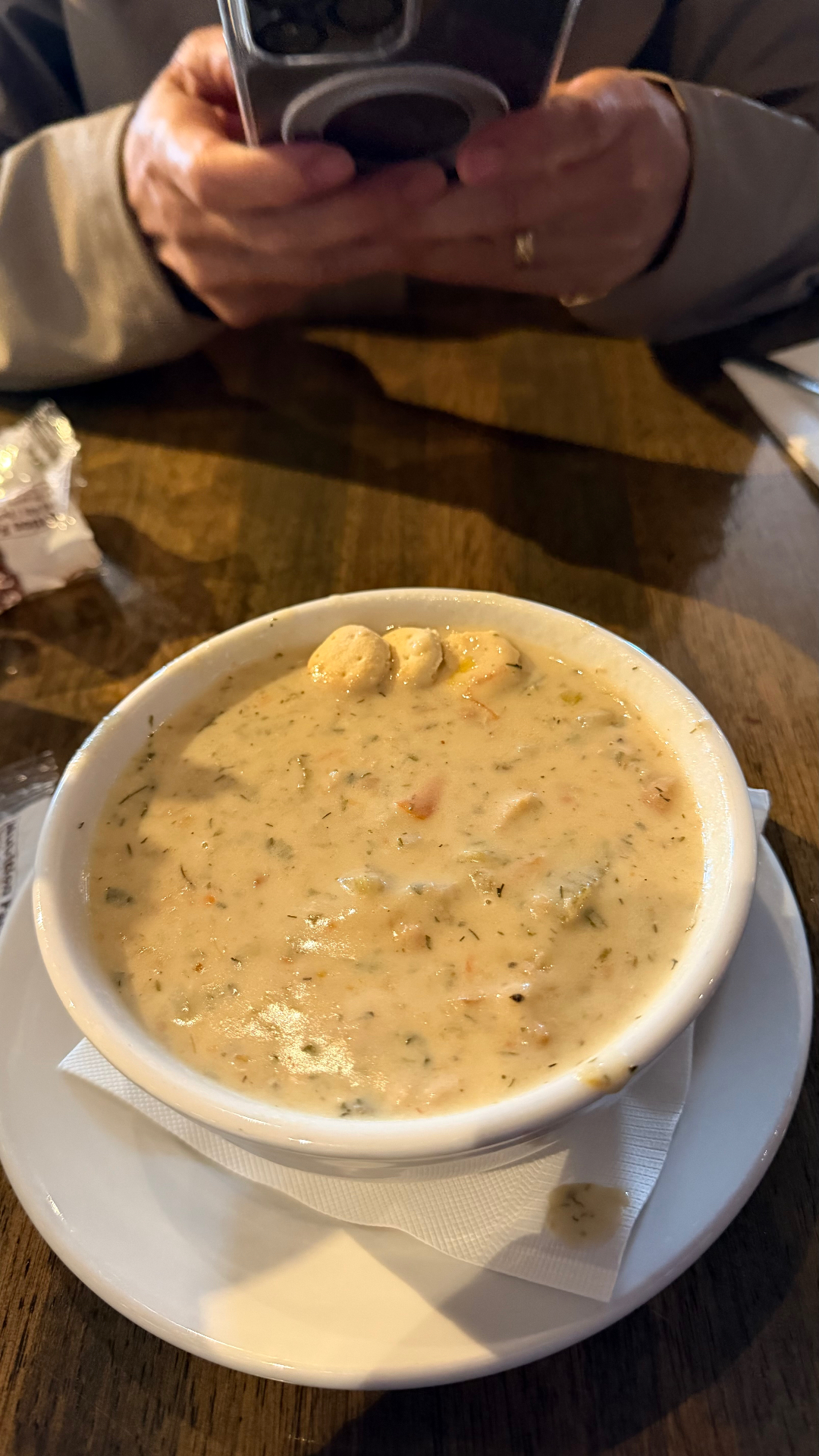
A white bowl of creamy Alaskan seafood chowder with oyster crackers on a wooden table
Chowder, exactly what the weather called for

Port 4

Juneau

Juneau, officially the City and Borough of Juneau, is the capital of Alaska, set along the shores of the Gastineau Channel in the southeast of the state. Separated from the rest of Alaska by rugged terrain and wilderness, it is reached mainly by boat or plane, which is part of its charm.

The city blends native culture with modern life. Visitors come for the Mendenhall Glacier and for a downtown full of shops, restaurants and galleries showing local work. Forests and mountains rise on every side, with hiking trails, whale watching and fishing close at hand.

Between the scenery, the outdoor life and the festivals celebrating Alaskan traditions, Juneau is both a seat of government and a treasure trove of Alaskan beauty — a must-visit for anyone wanting the authentic spirit of the Last Frontier.

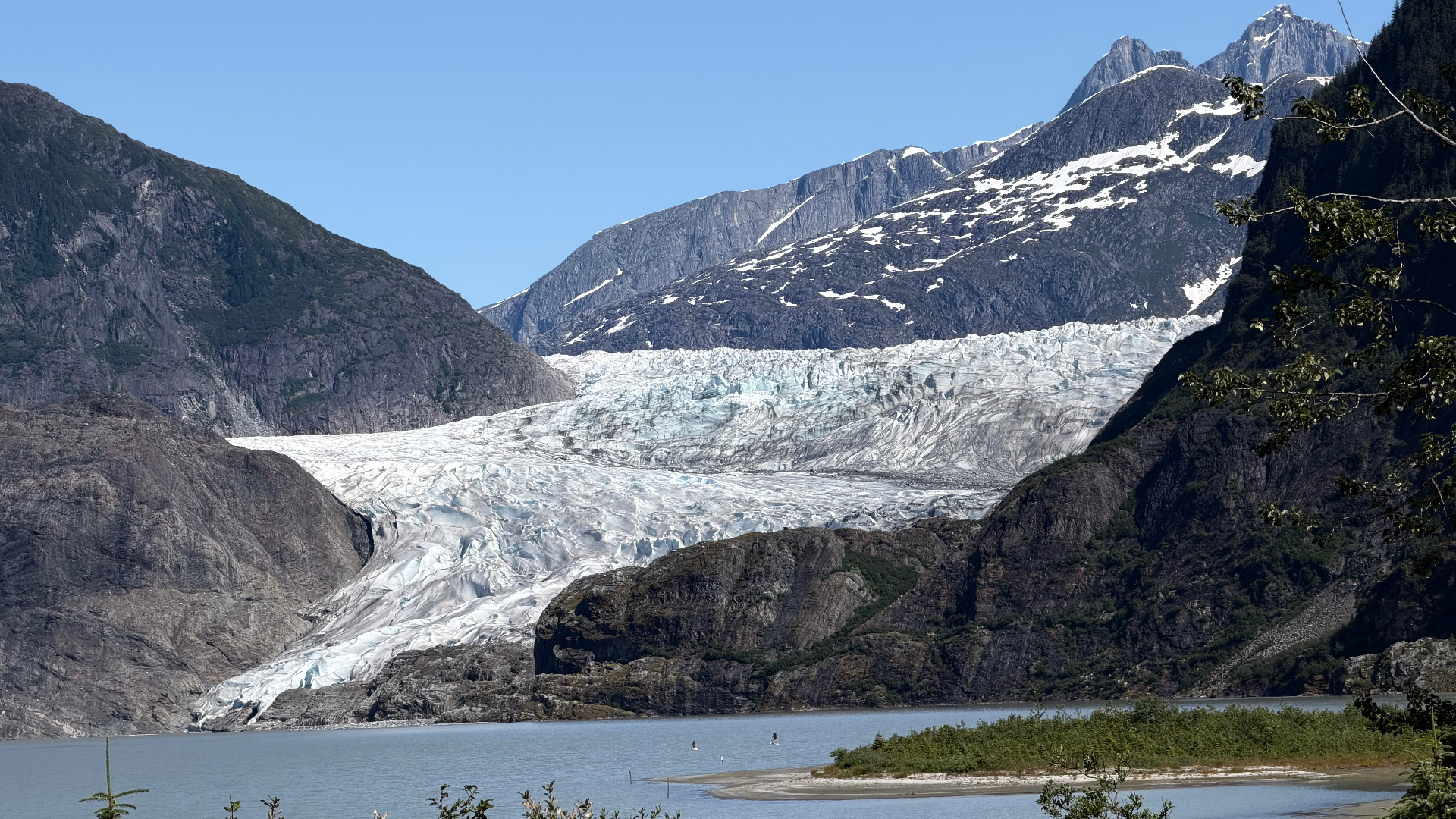
Mendenhall Glacier framed by rugged mountains, blue sky and water
Mendenhall Glacier
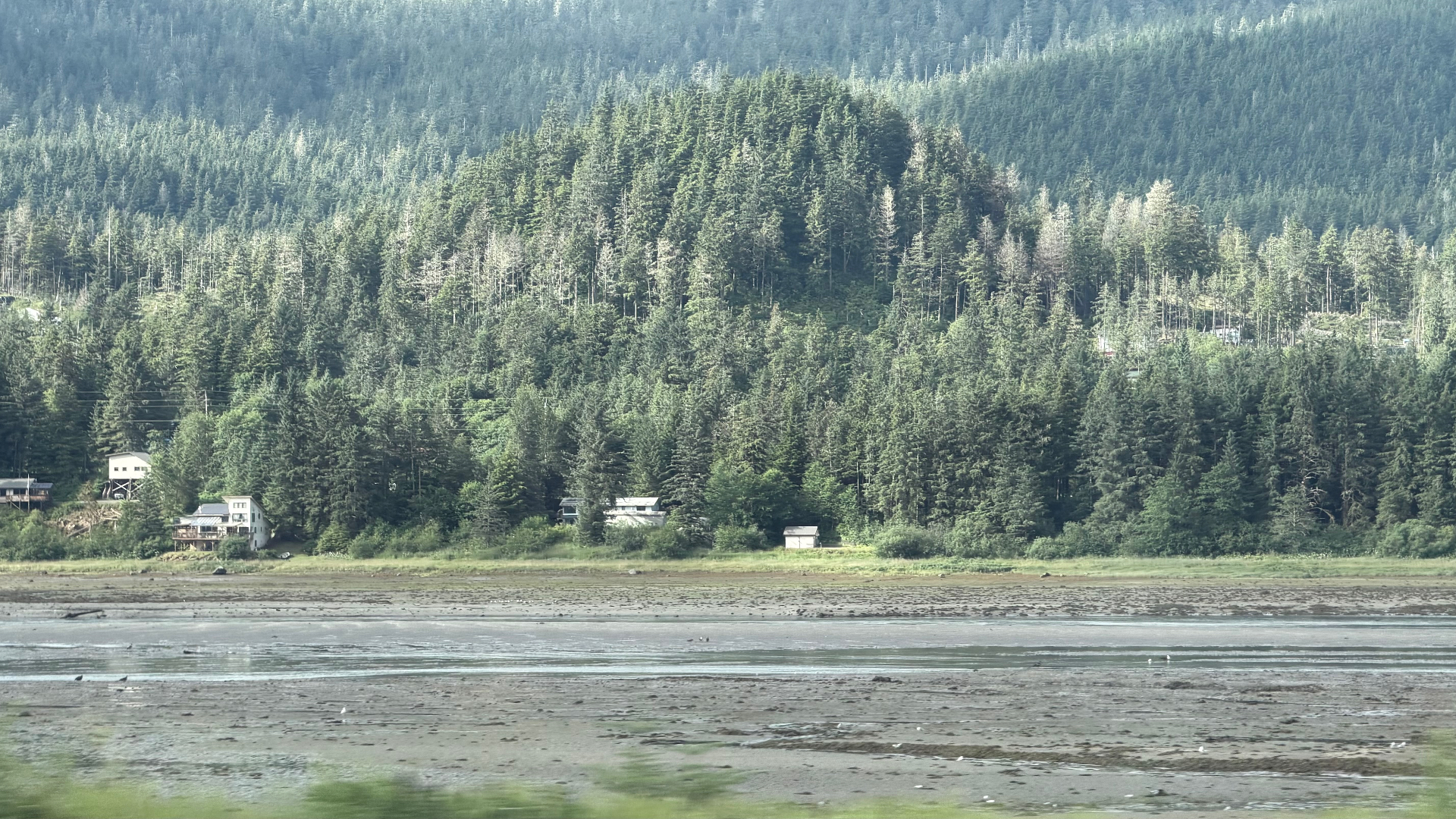
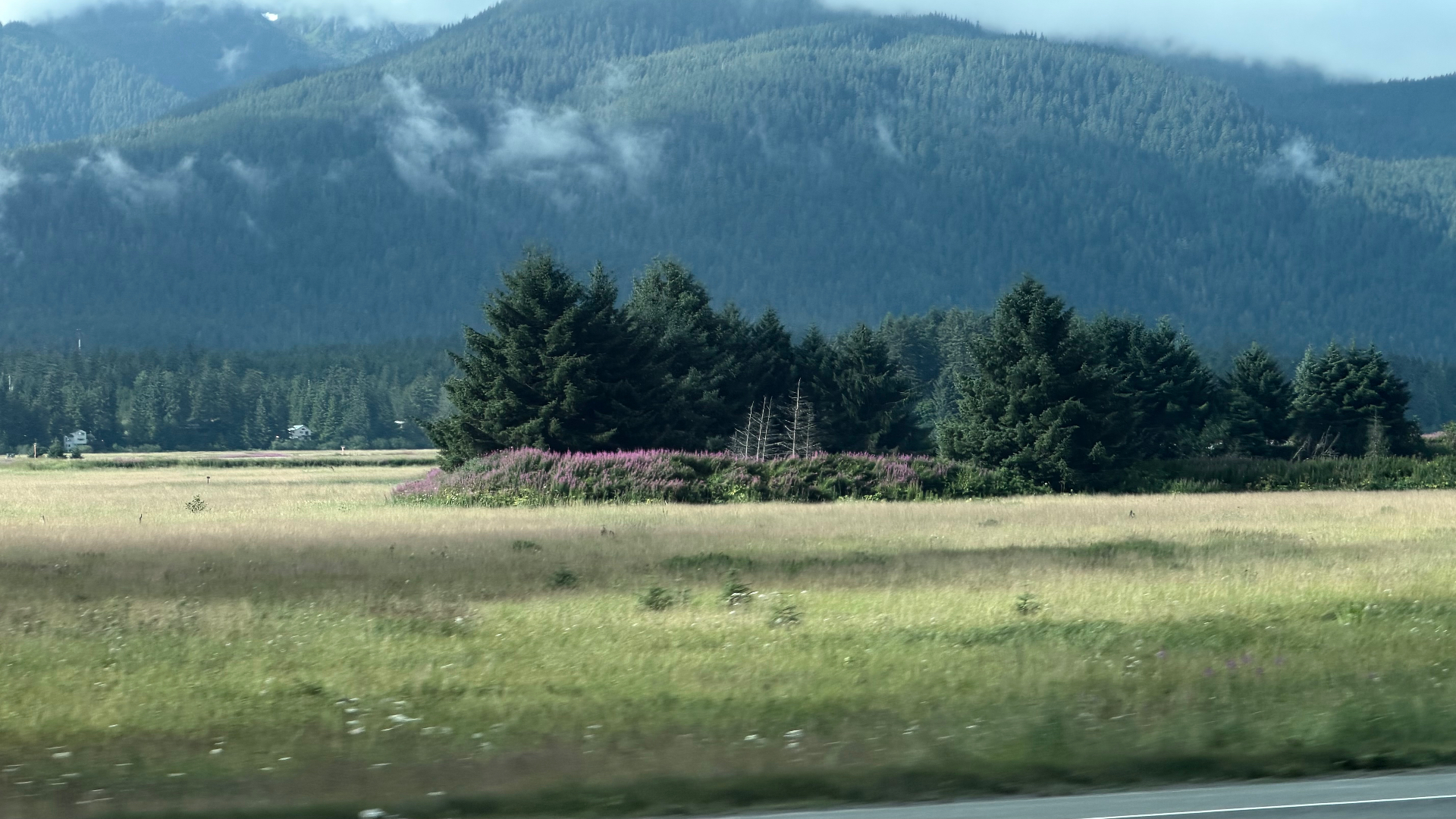
Forested shoreline and homes across broad tidal flats near Juneau
Along the Gastineau Channel
Purple wildflowers in a sunlit meadow beneath Juneau's forested mountains
Wildflowers beneath the mountains
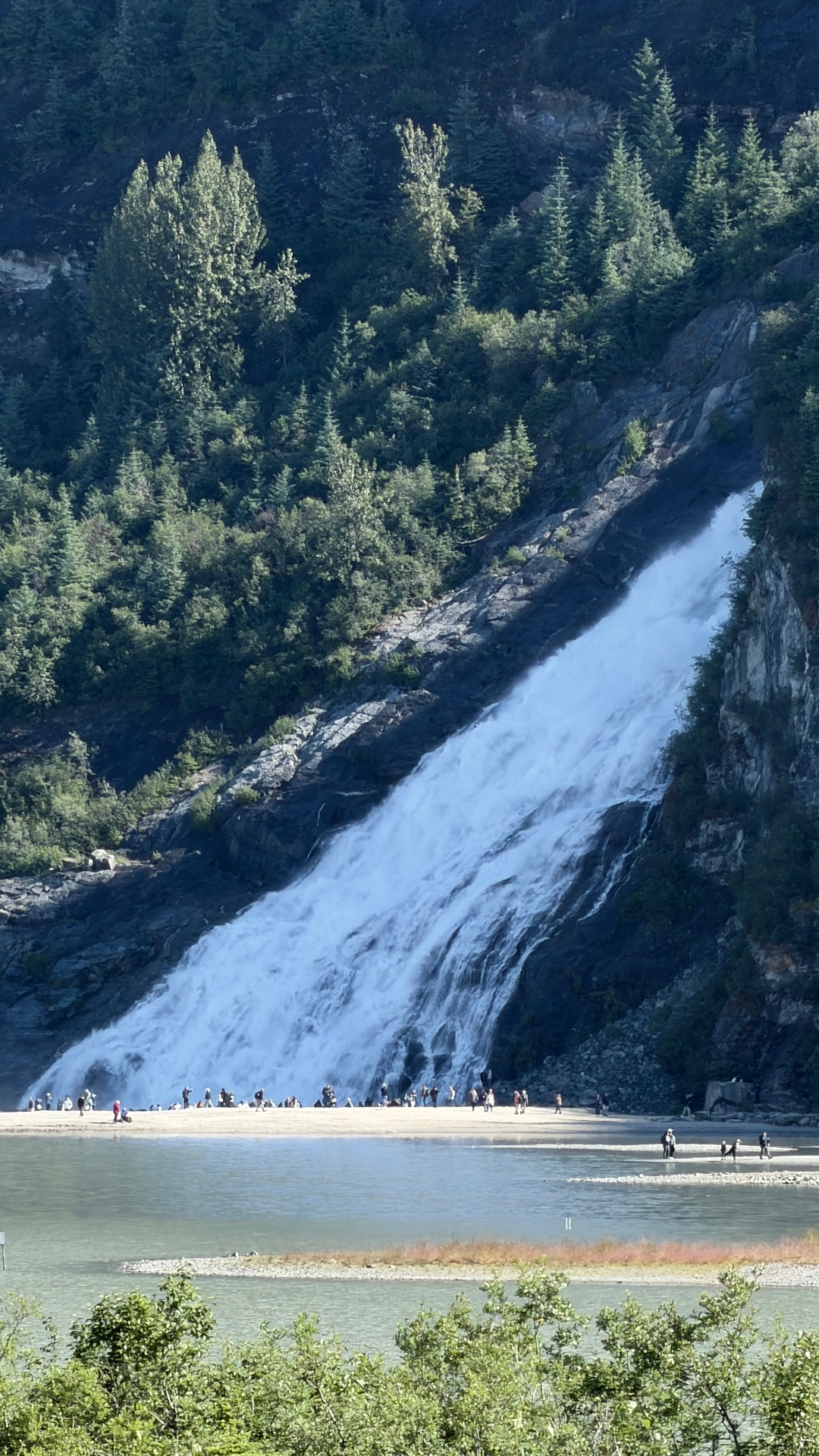
A tall waterfall cascading down a forested rock face into the water near Juneau
Waterfall at the glacier
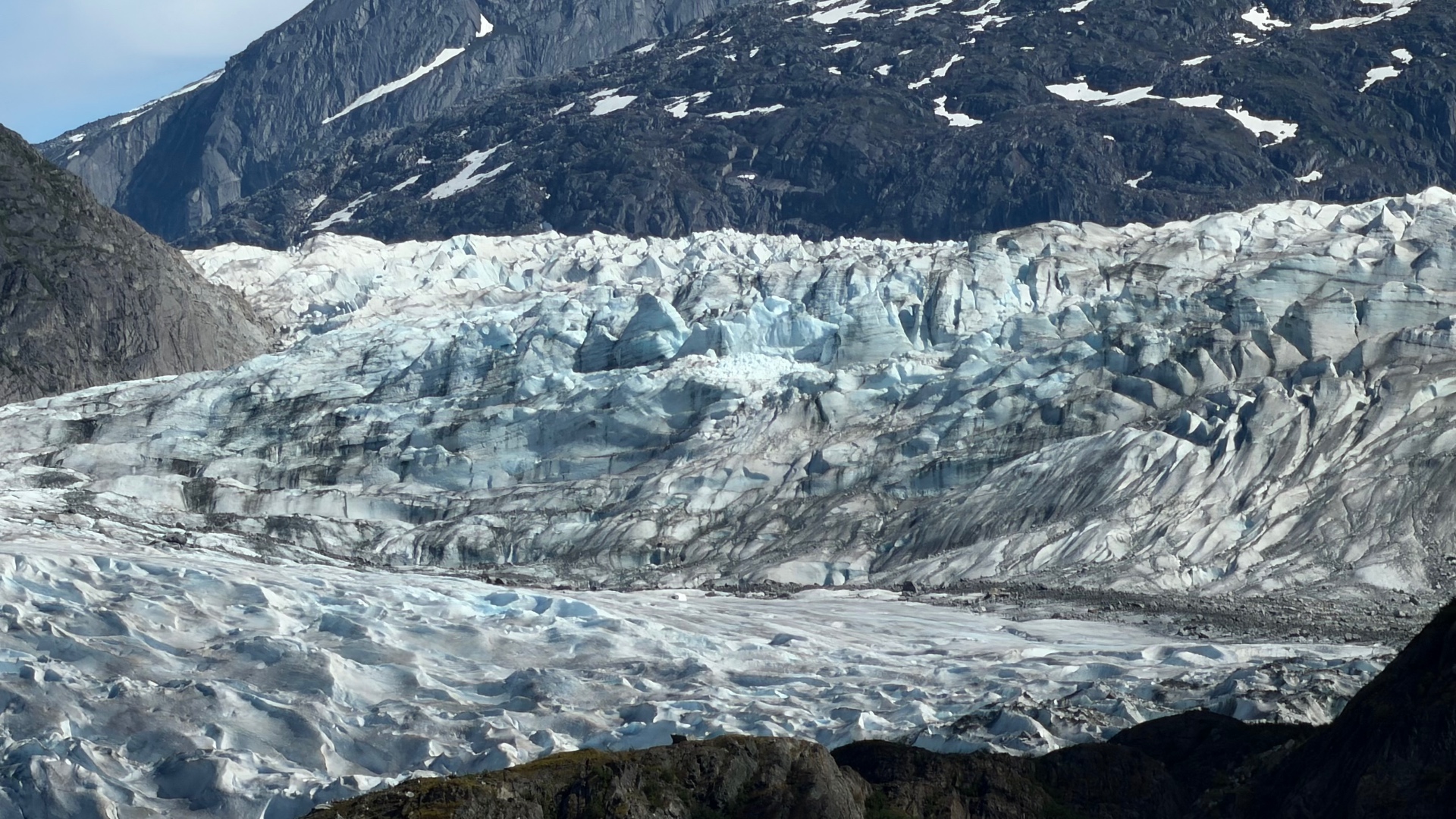
Close view of the textured blue-white ice of Mendenhall Glacier
The glacier's blue ice

Scenic passage

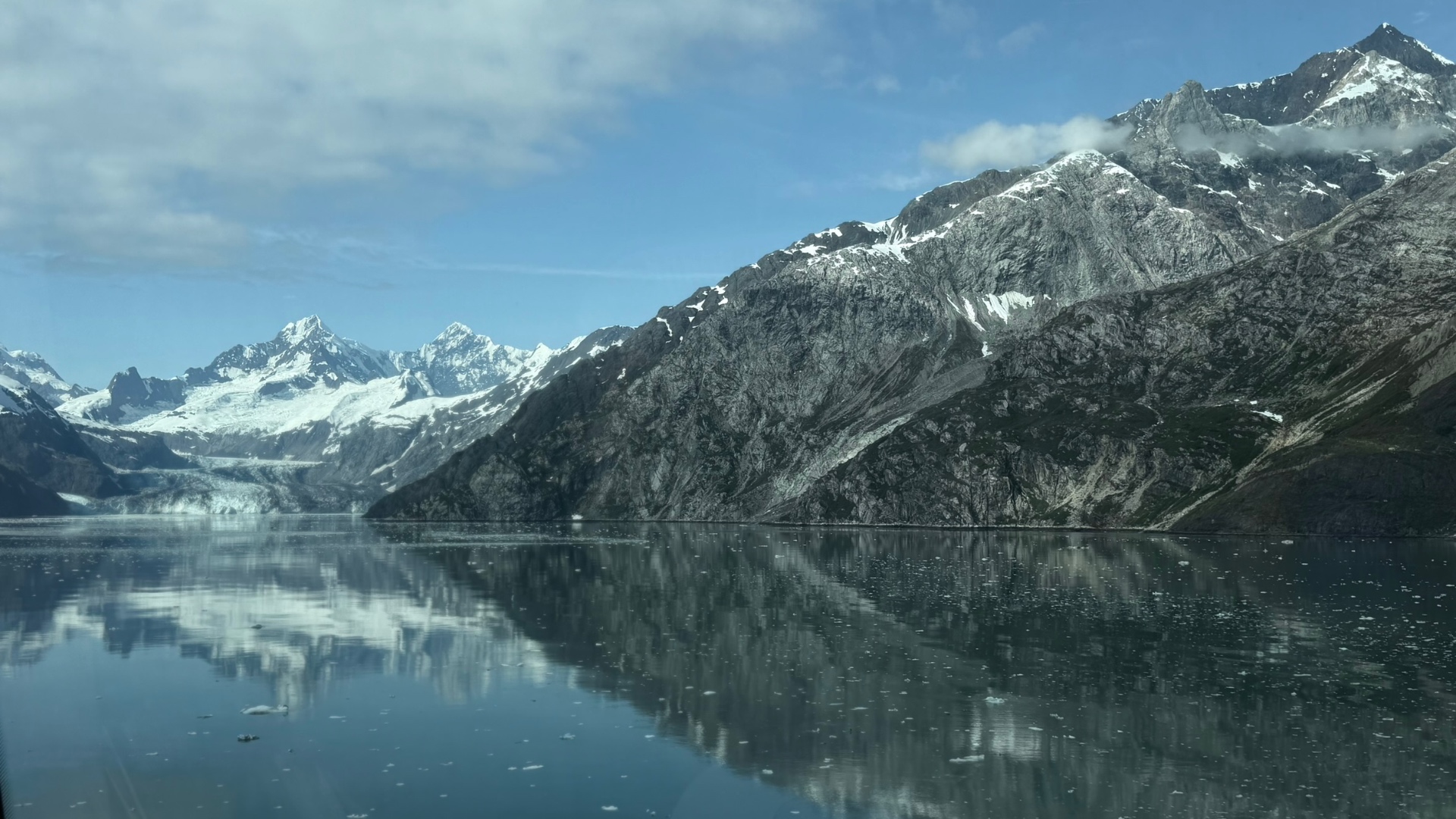
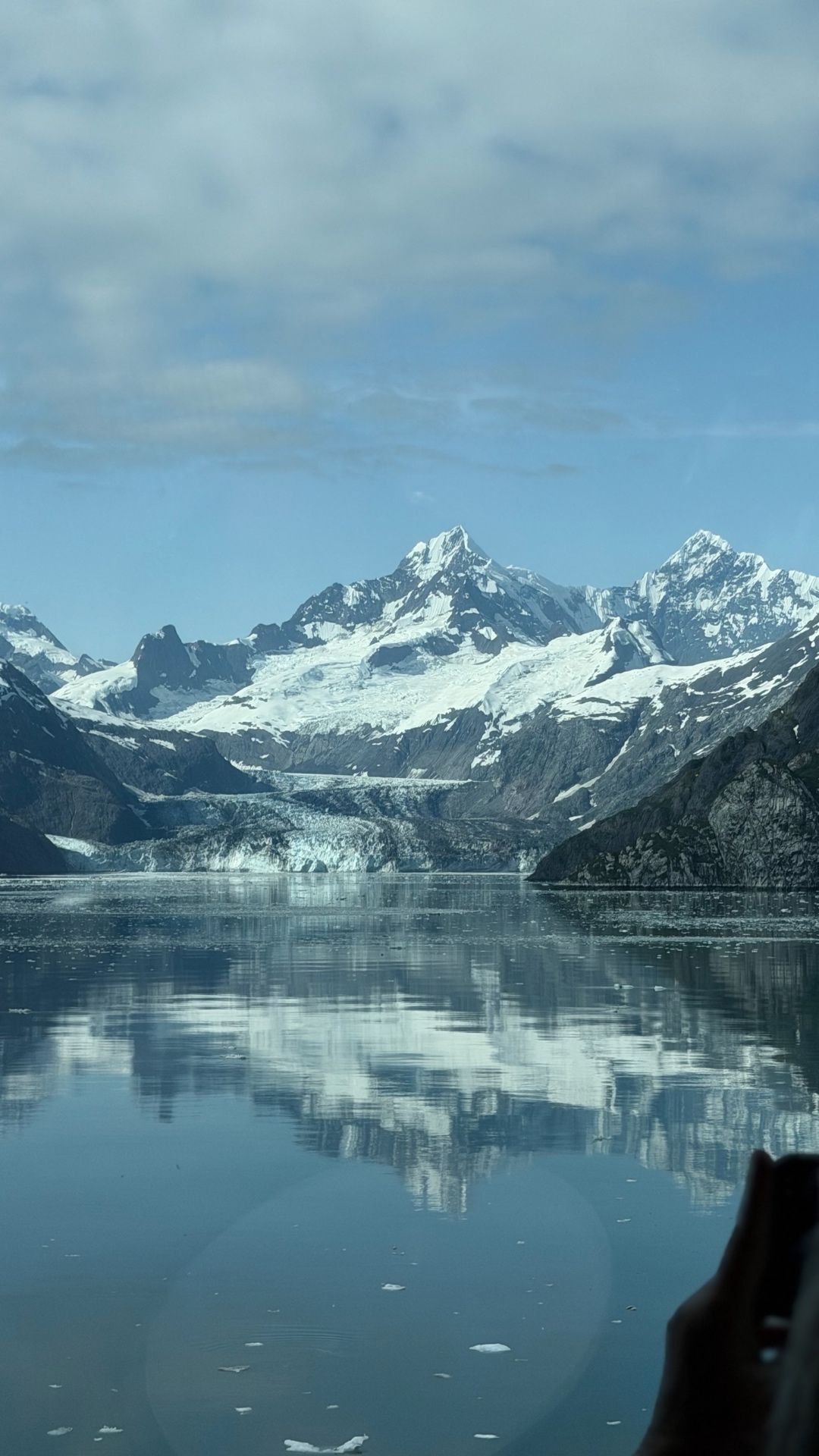
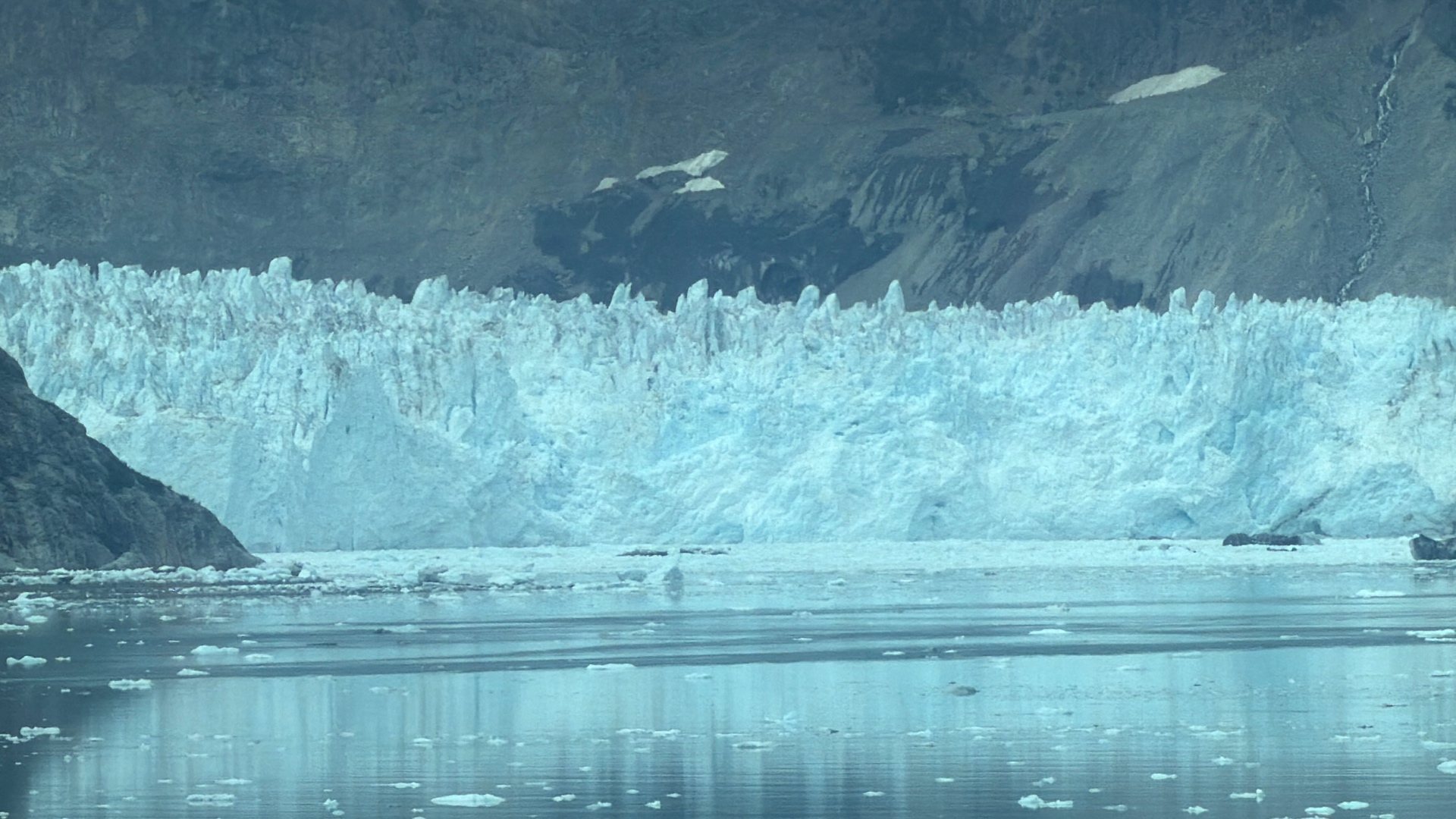
Glacier Bay

Glacier Bay Basin in southeastern Alaska is a stunning natural wonder of mountains, glaciers and pristine water. It forms part of Glacier Bay National Park, which protects nearly 600,000 acres (2,428.1 km²) of marine ecosystems, including both the visible waters and the submerged lands beneath them.

The park provides an important benchmark for understanding less-protected marine ecosystems and the biodiversity that thrives in carefully preserved habitats. Its significance is cultural as well as ecological: within the park and preserve are two Tlingit ancestral homelands, places of enduring cultural and spiritual importance to the Indigenous Tlingit communities who continue to live in the region.

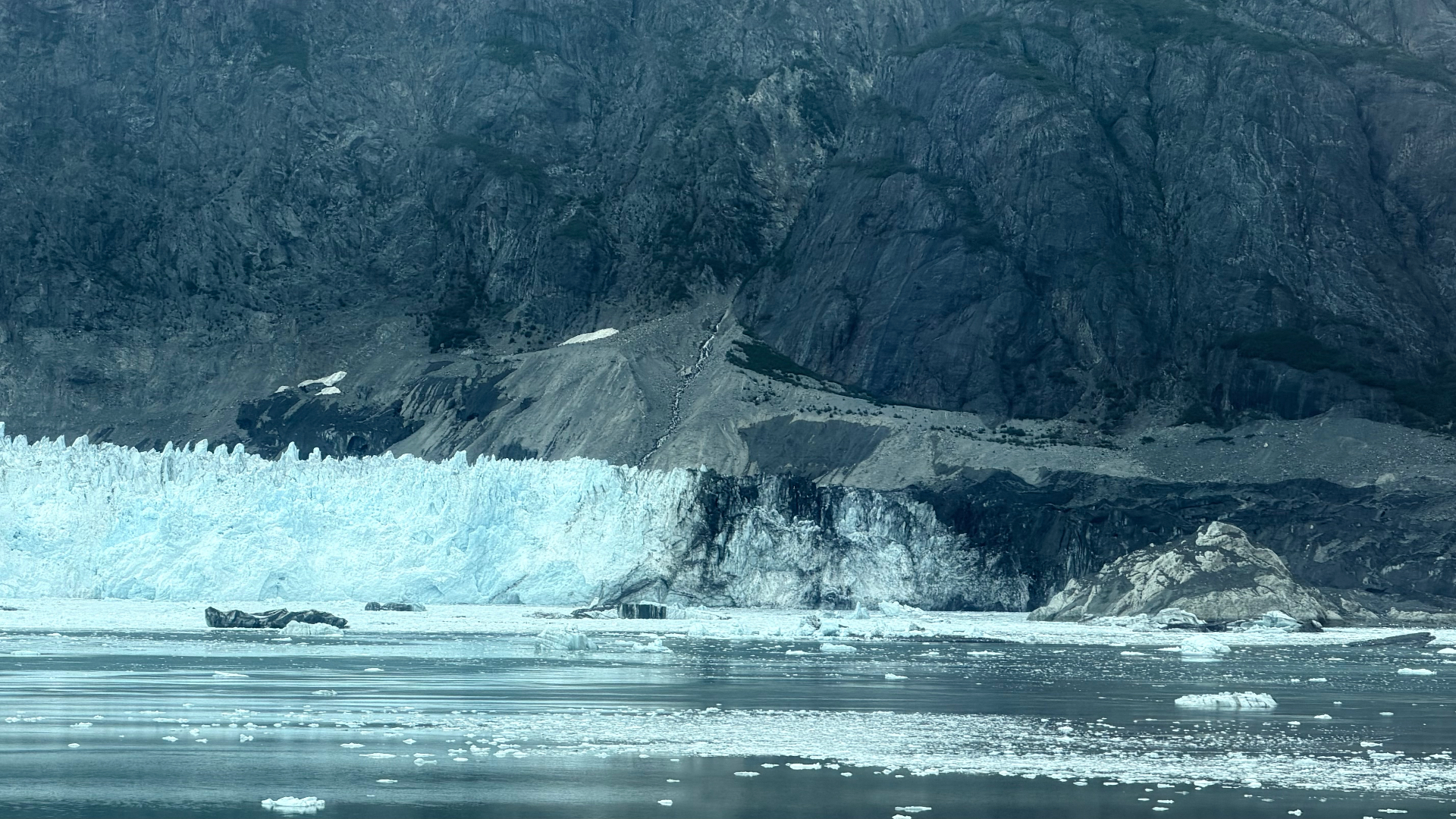
The Alsek River links the park's coastal mountain ranges to the Pacific Ocean, shaping the landscape and serving as a vital route for wildlife. From glaciers calving into the bay to serene waters full of life, Glacier Bay is one of the most beautiful places I have ever visited — a landscape that leaves an indelible mark.

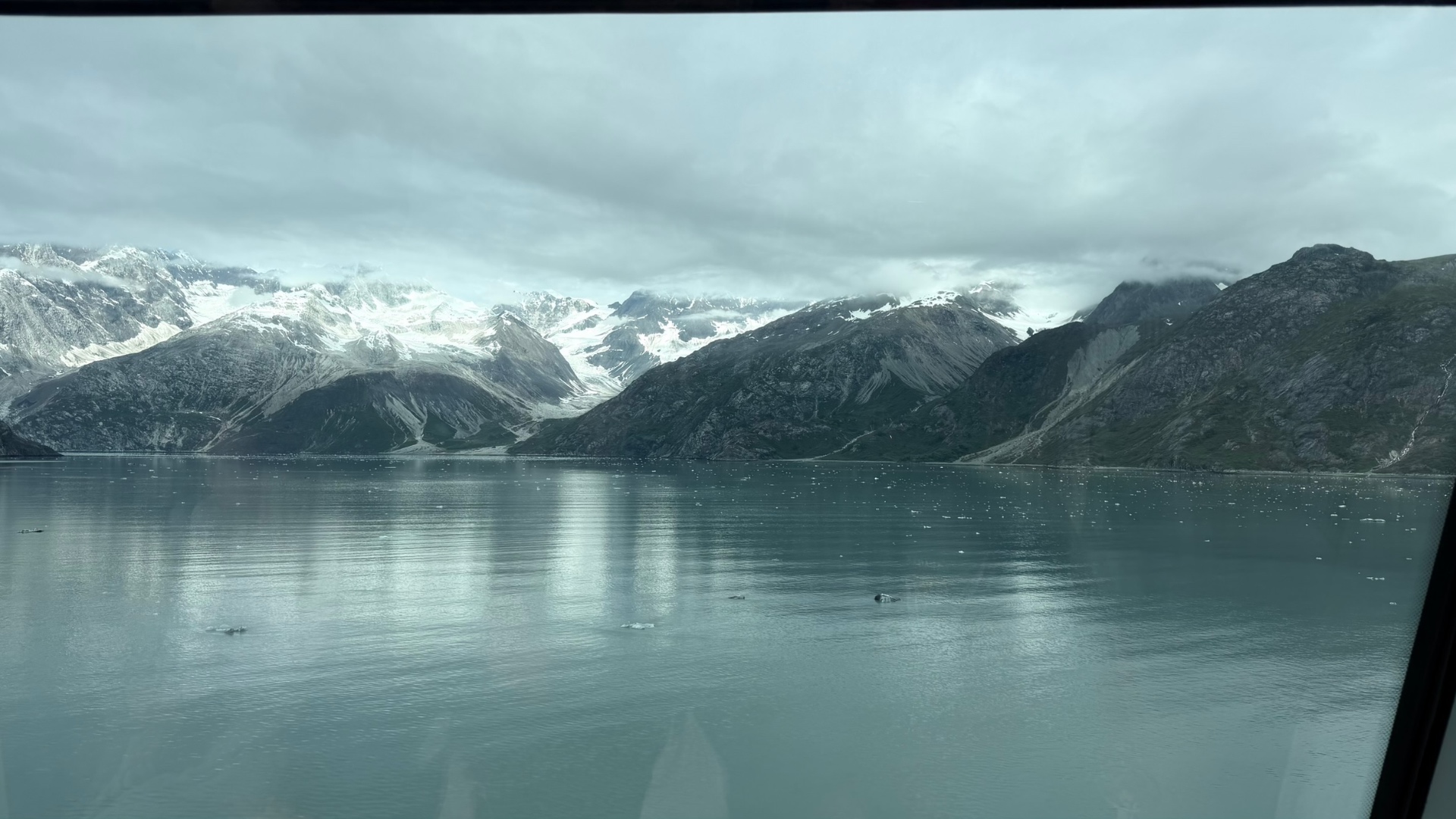
Glacier Bay's calm water and snow-covered mountains beneath a low grey sky
Entering Glacier Bay
Snow-covered mountain peaks and a glacier reflected in the still water of Glacier Bay
Mountains mirrored in the bay
Portrait view of snowy peaks, a glacier and their reflection in Glacier Bay
Ice, peaks and reflection
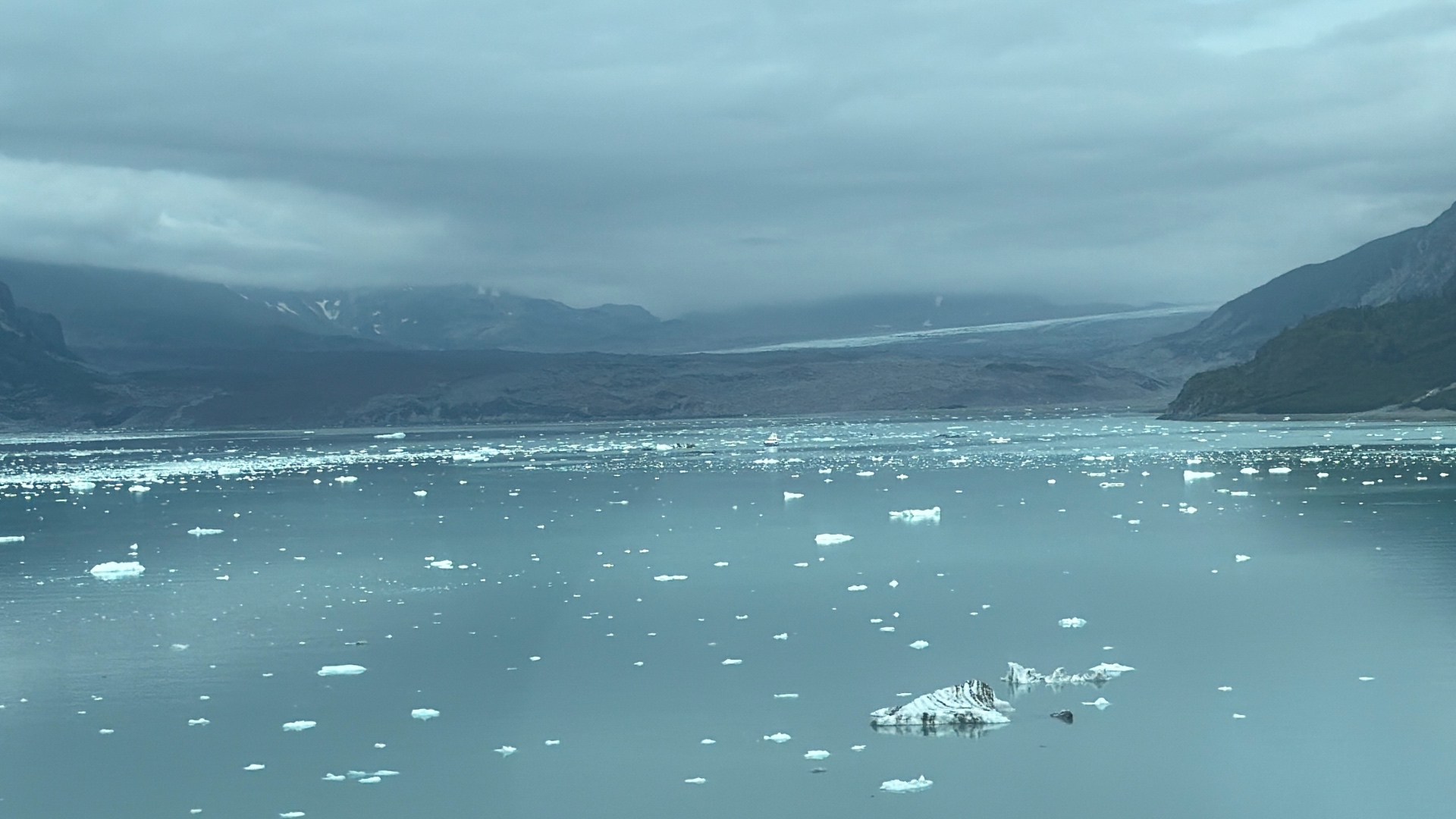
Floating pieces of ice covering the water before a distant glacier under low clouds
A bay filled with ice
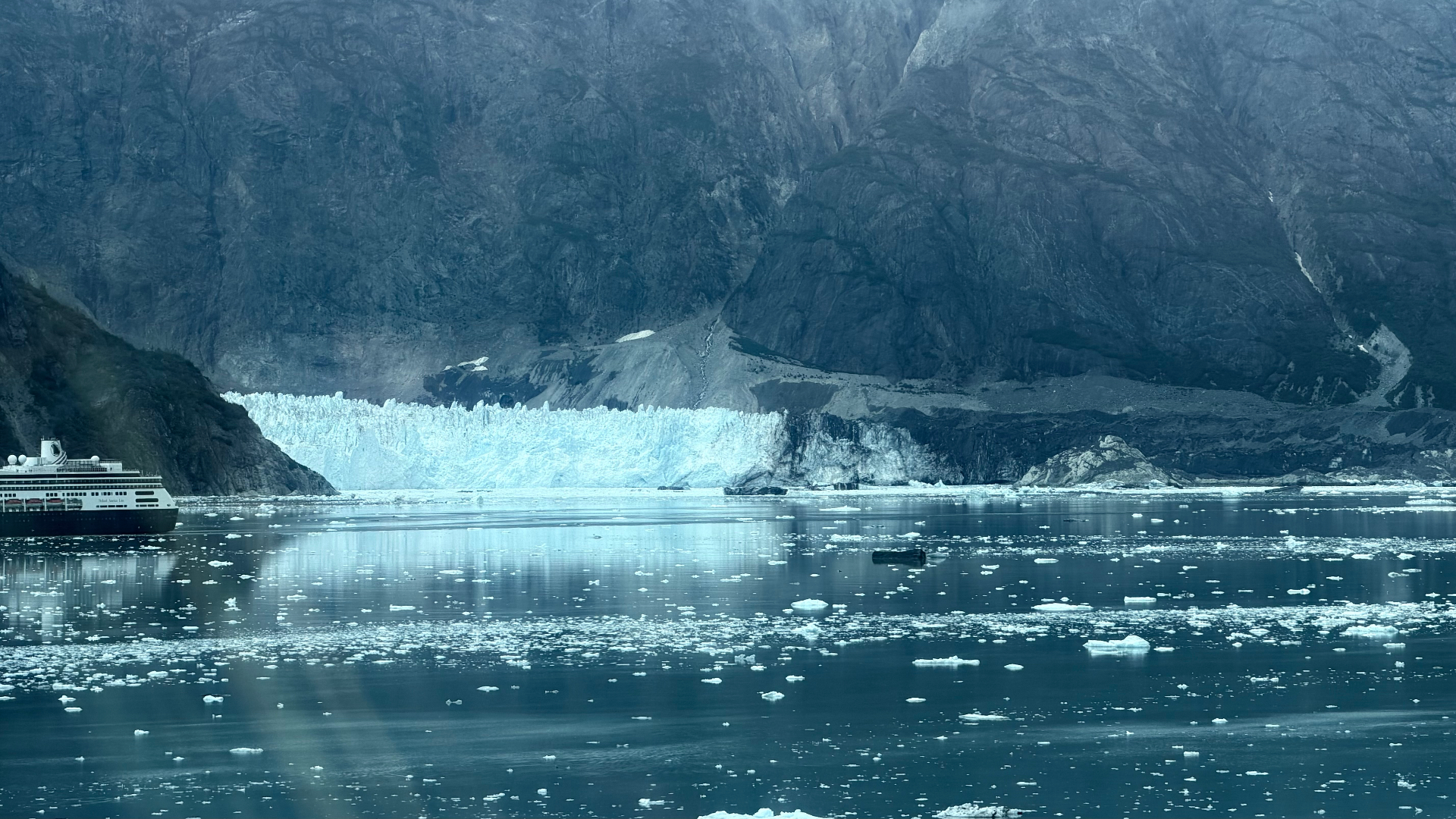
A cruise ship passing a broad blue tidewater glacier in Glacier Bay
Drawn to the glacier's edge
Close view of the jagged blue face of a tidewater glacier reflected in calm water
The blue wall of ice
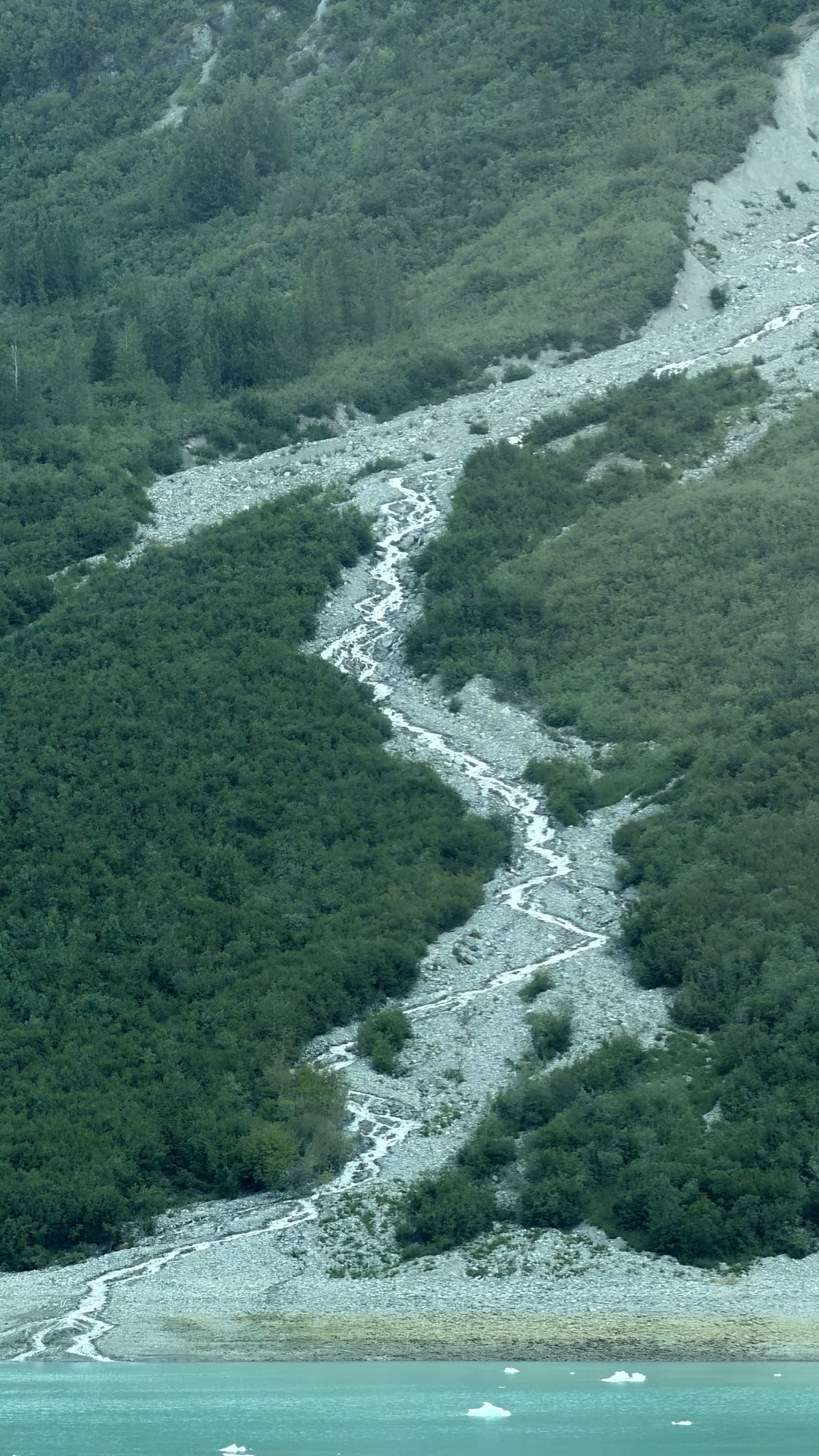
A braided meltwater stream descending through green forest and grey rock to turquoise water
Meltwater finding the bay
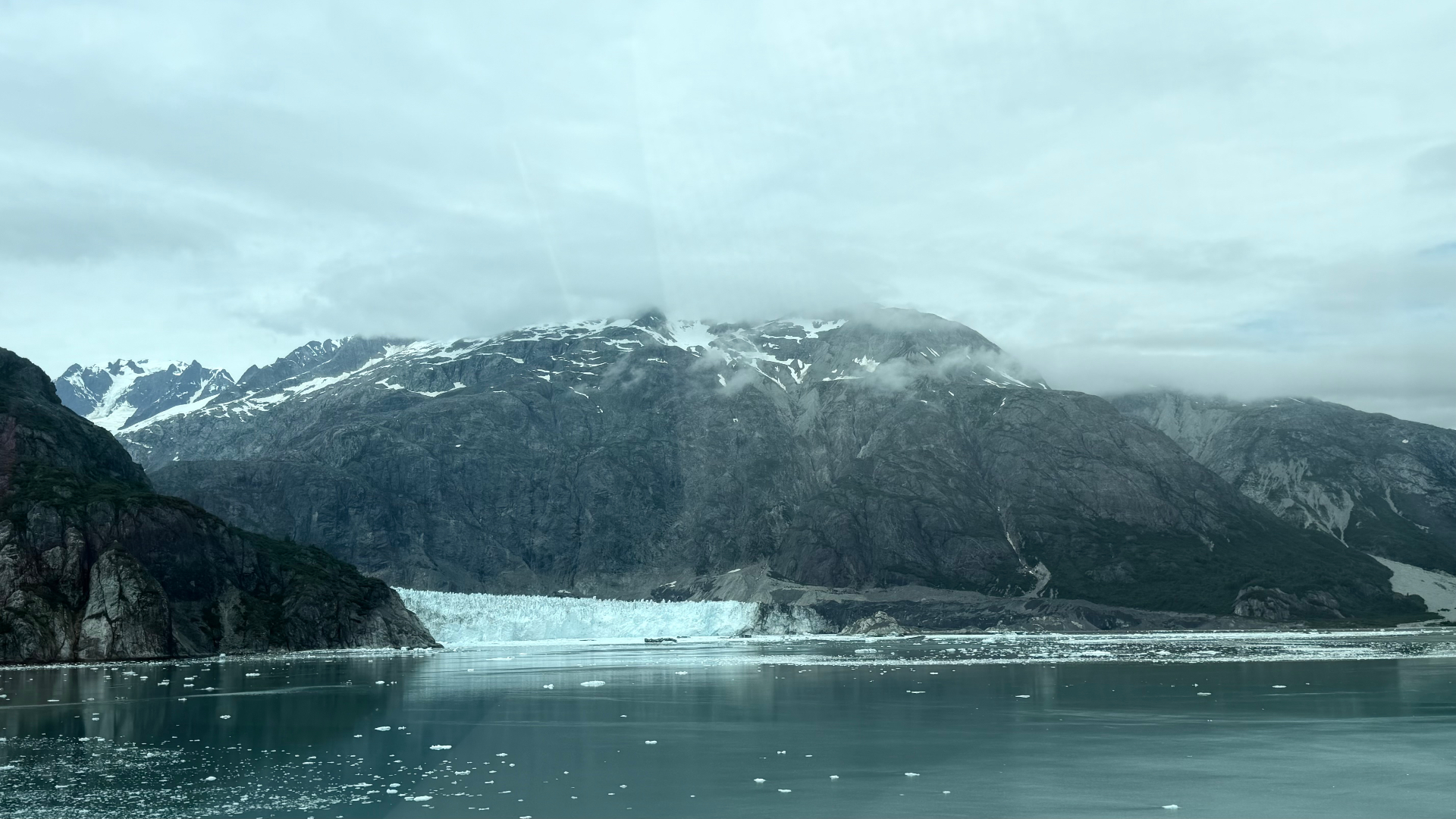
A tidewater glacier beneath a mountain wrapped in low cloud, with ice fragments across the bay
Glacier beneath the clouds
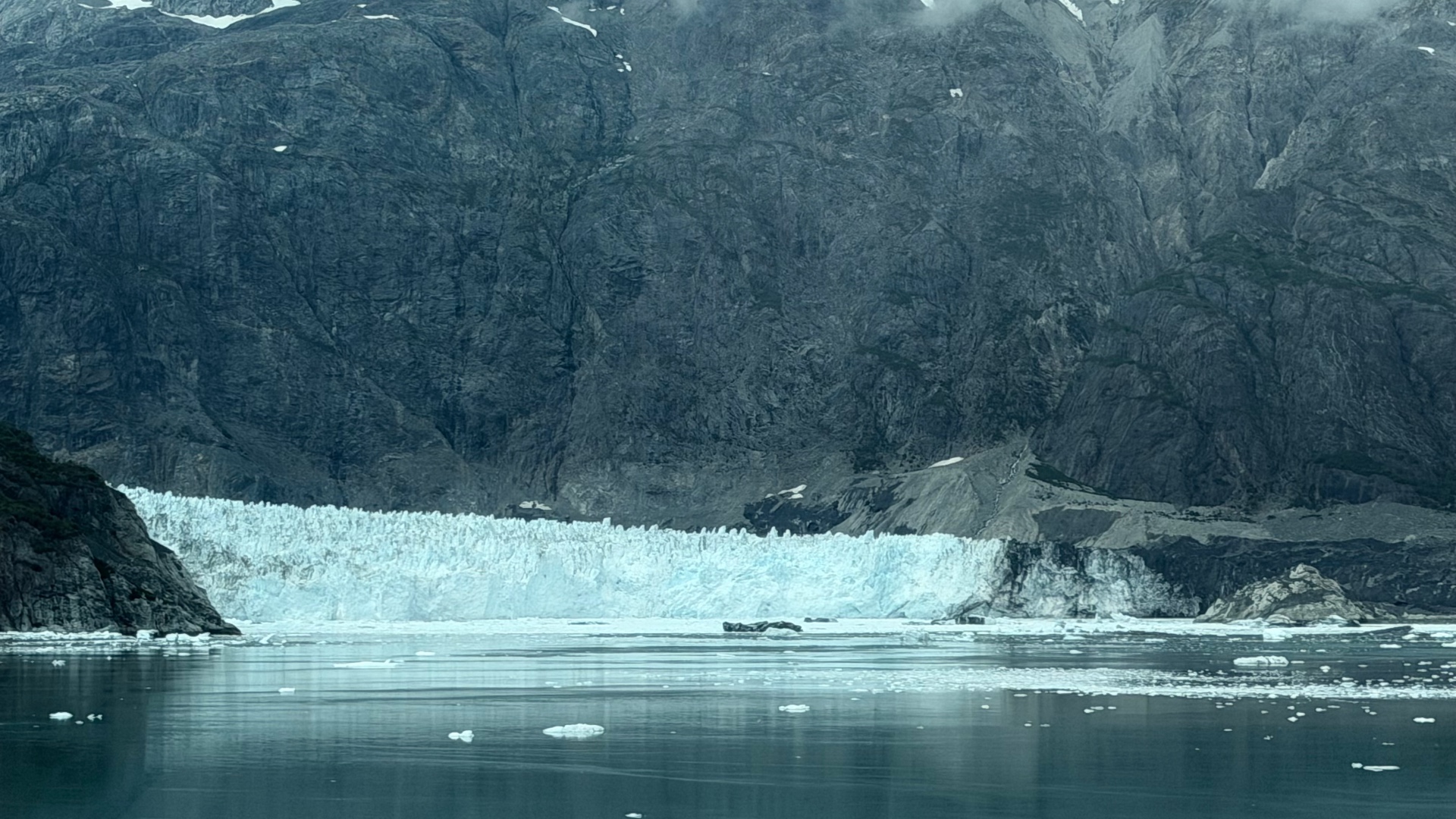
A wide blue glacier fronting dark mountain cliffs across still water
At the glacier front
Blue glacier ice, dark moraine and floating fragments beneath a high rock wall
Ice and ancient stone

Port 6

Victoria, BC

Victoria, the charming capital of British Columbia, sits on the craggy southern end of Vancouver Island, with beautiful views of the ocean and surrounding landscape. Its abundant parkland makes it a haven for outdoor life, from hiking and cycling to kayaking along the coastline.

The city's British colonial past is preserved in its Victorian architecture, including the stately Craigdarroch Castle. Butchart Gardens adds more than 55 acres of floral displays, statuary and water features to Victoria's botanical richness, changing in colour and fragrance with the seasons.

Together, the historic buildings, formal gardens and waterfront make Victoria a culturally rich and wonderfully picturesque final port before our return to Seattle.

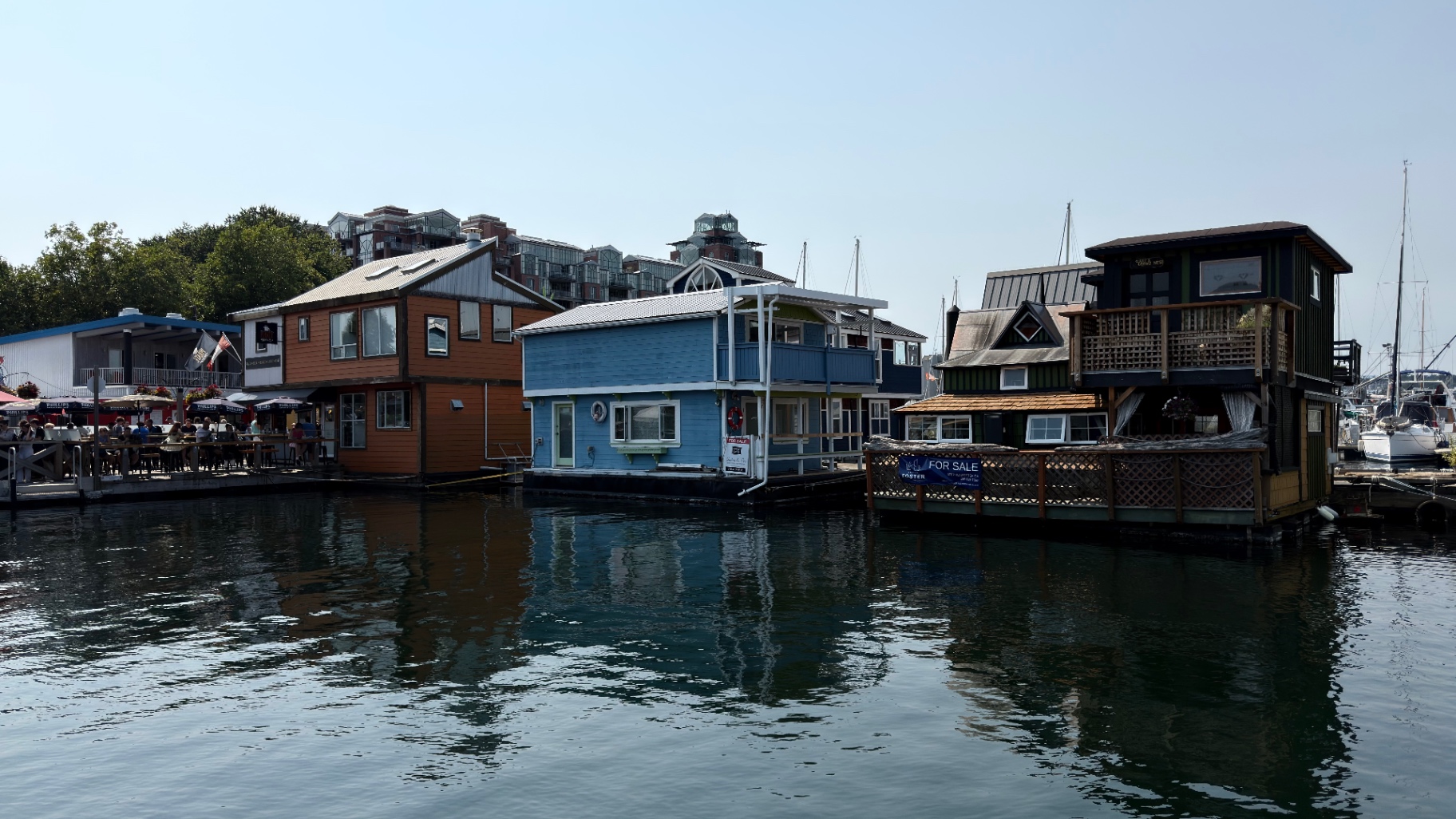
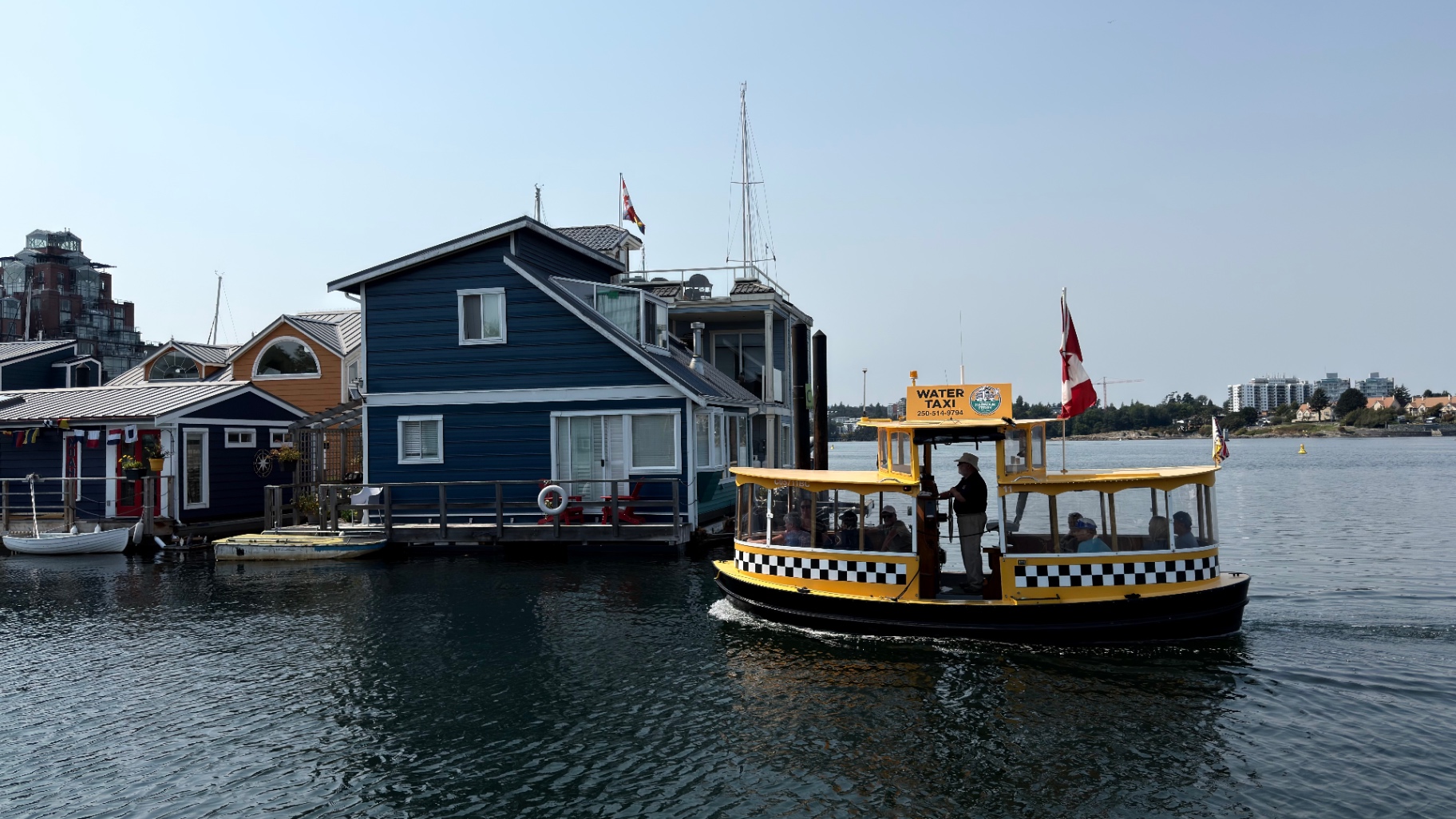
A yellow water taxi passing colourful floating homes in Victoria's harbour
Water taxi in the harbour
Victoria's Parliament Buildings and landscaped grounds seen across the Inner Harbour
Across the Inner Harbour
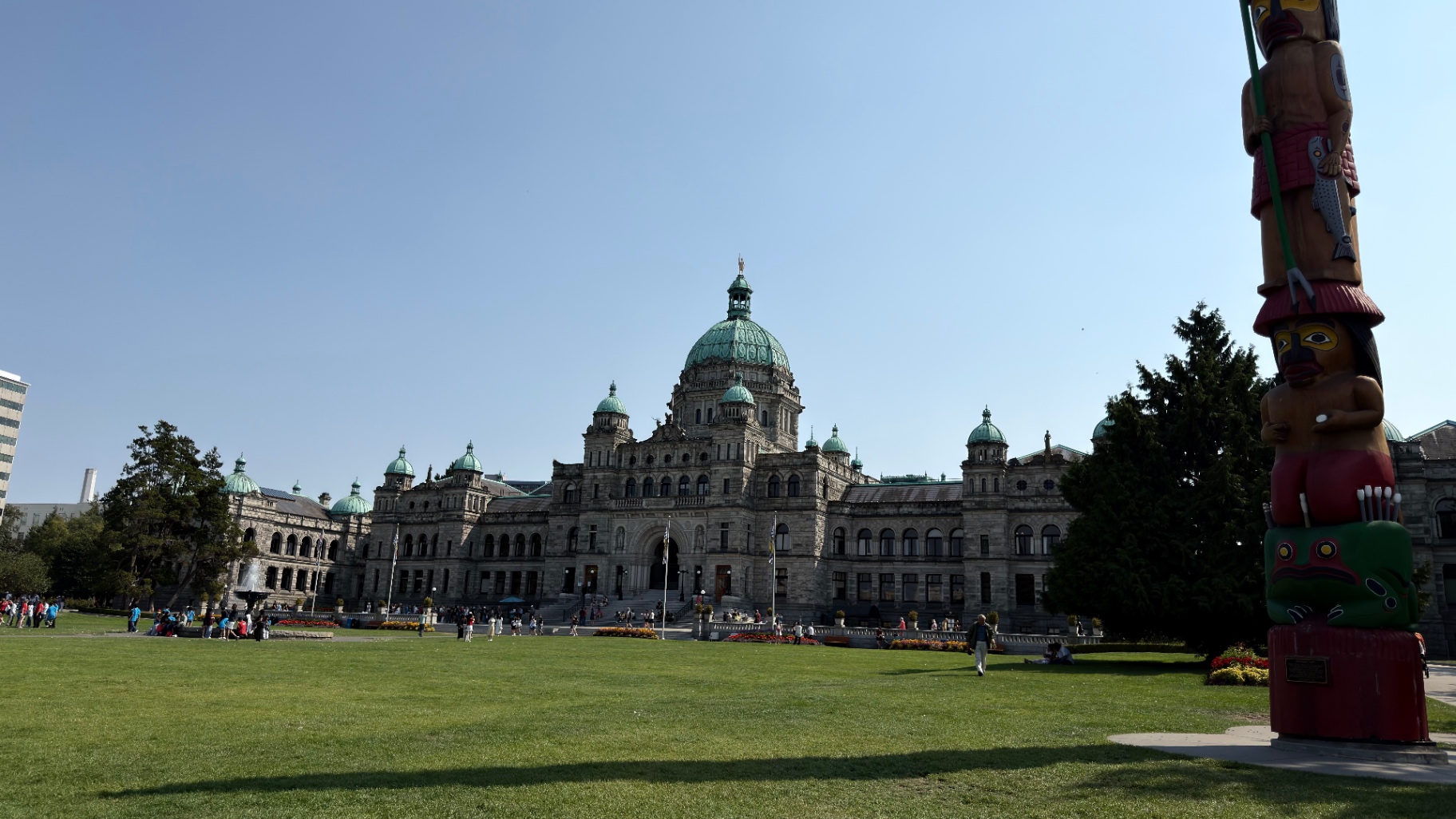
British Columbia Parliament Buildings with green domes and a carved totem pole in the foreground
Parliament and Indigenous heritage
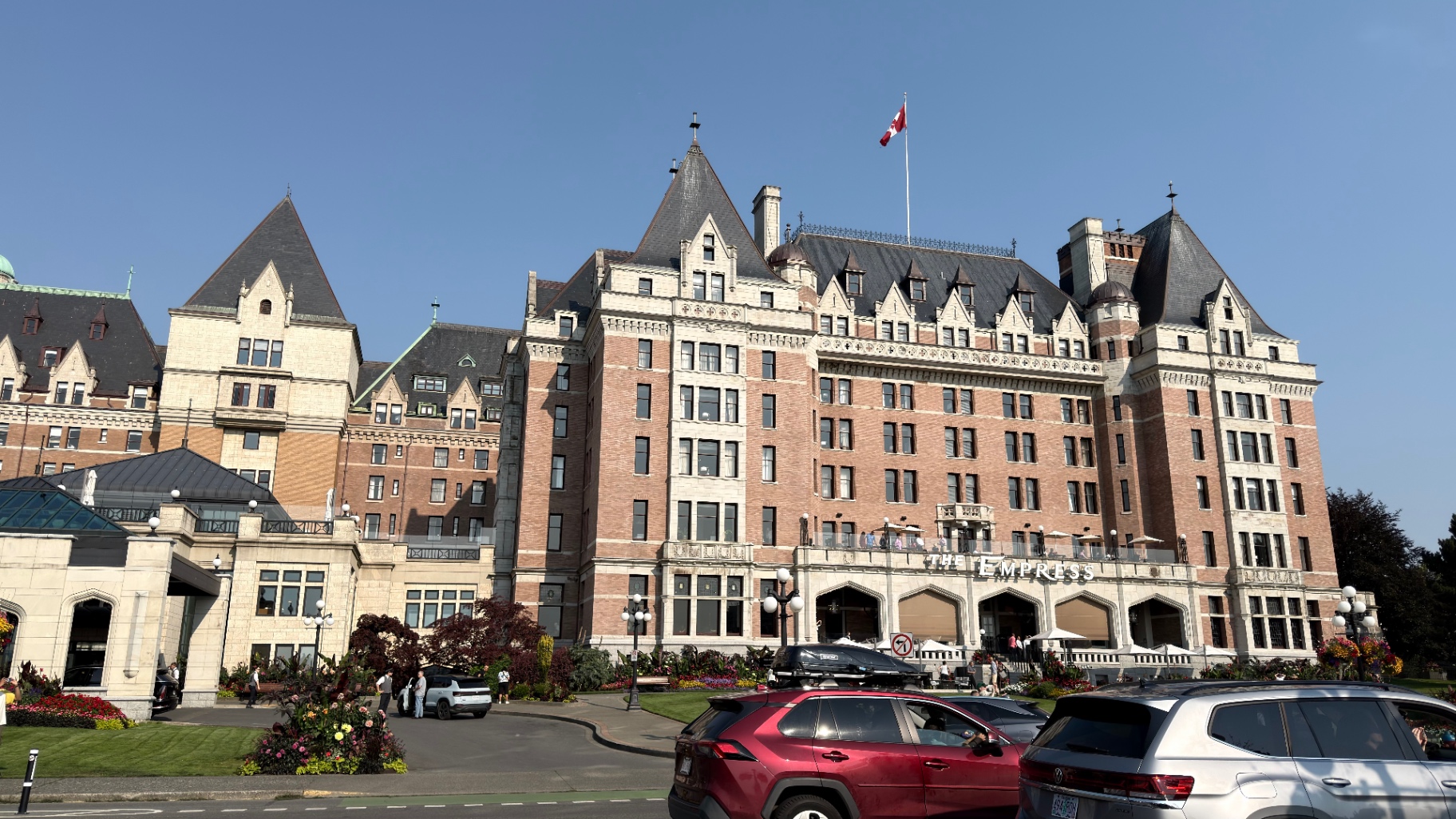
The historic Fairmont Empress hotel under a clear blue sky
The Fairmont Empress
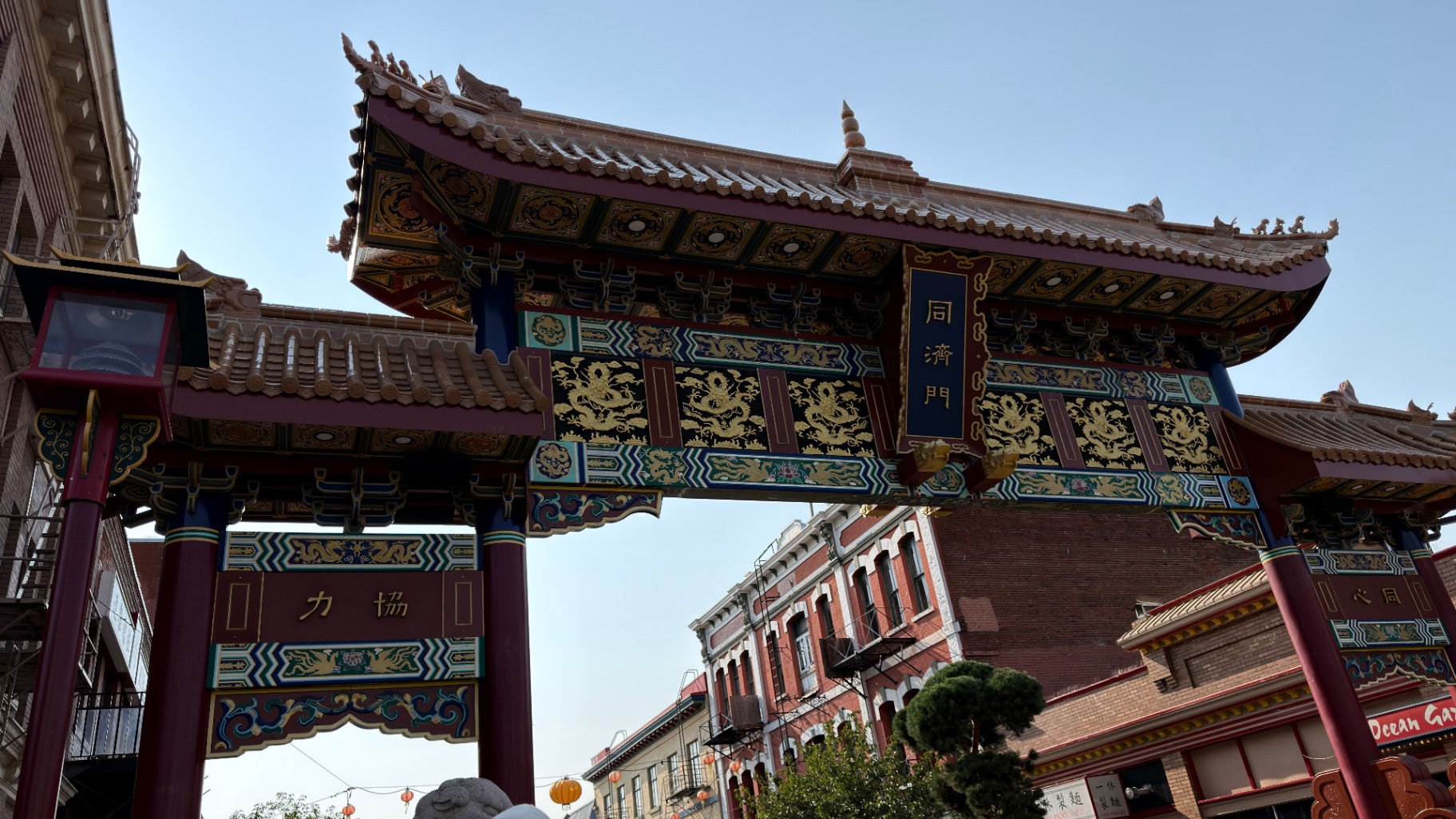
The ornate Gate of Harmonious Interest marking the entrance to Victoria's Chinatown
Gate of Harmonious Interest
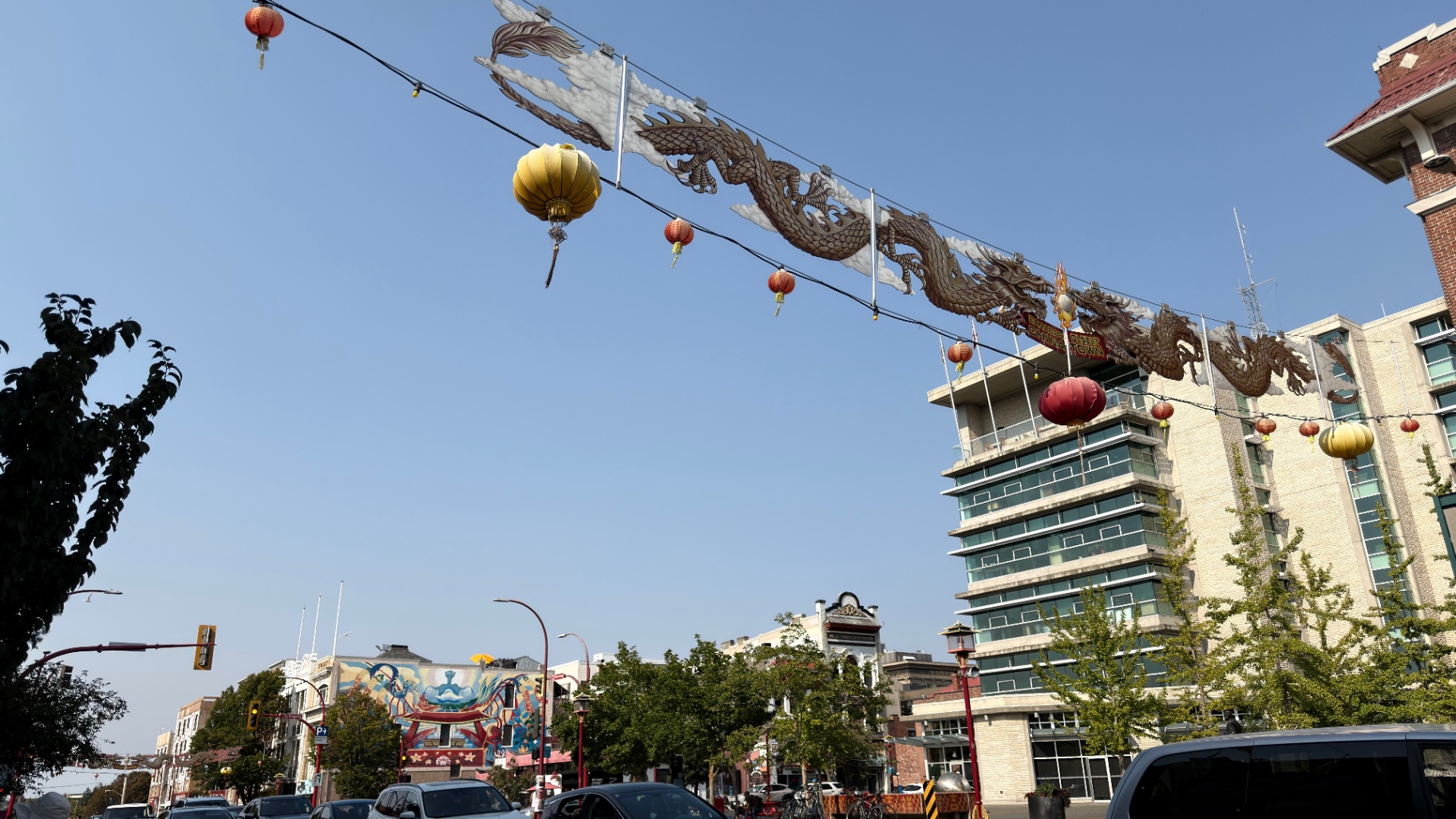
Dragon decorations and red and gold lanterns hanging above a Victoria Chinatown street
Chinatown under the dragon
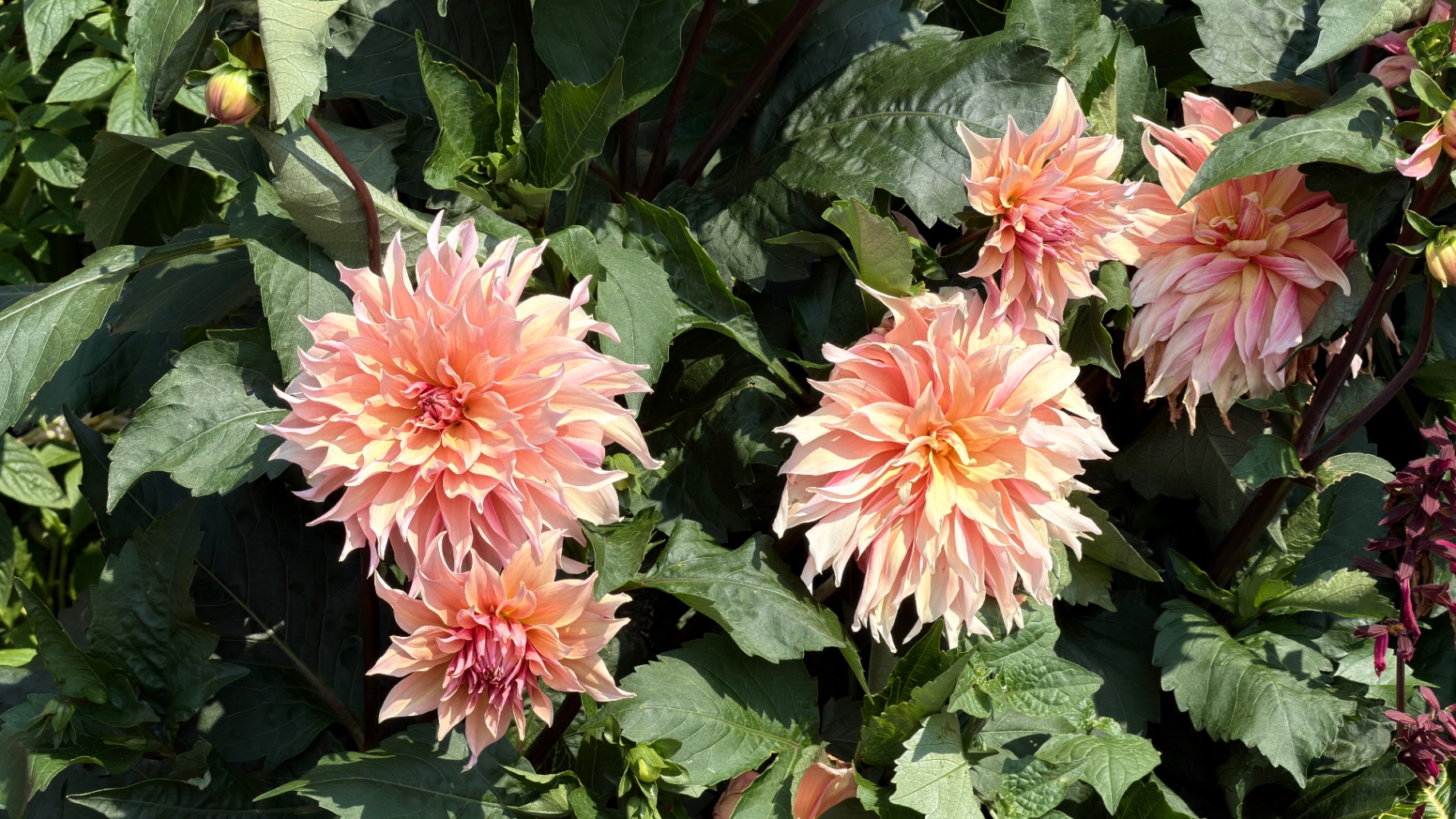
Large peach and pink dahlias surrounded by deep green leaves
A city in bloom
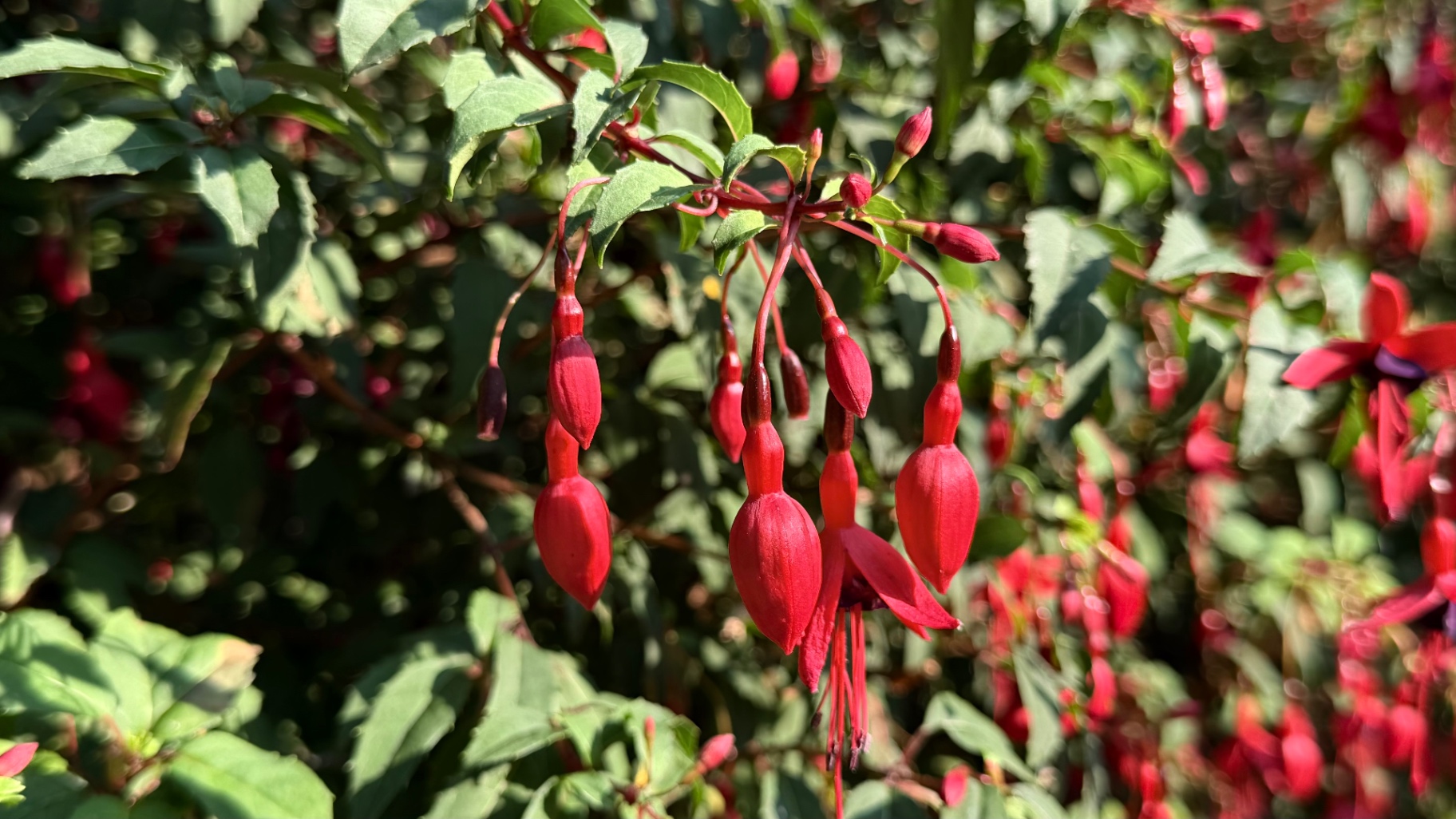
Red fuchsia flowers glowing in the afternoon sun
Fuchsia in the gardens

Return

Seattle

We returned to Seattle, completing the cruise loop.

Next collection

02Asia2023 – 2026