Egypt
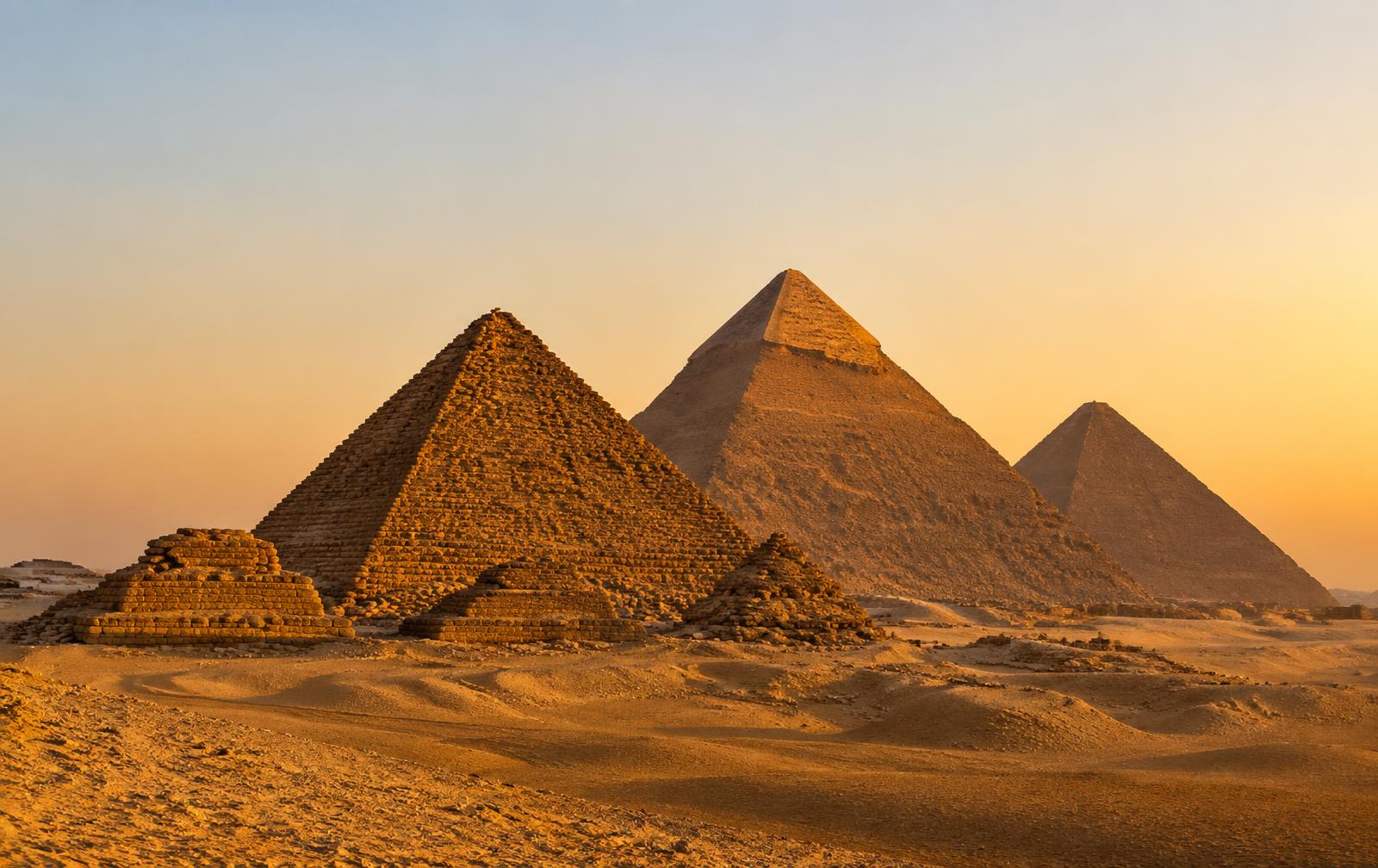
Cairo and the pyramids, then the Nile south to Aswan and back — Kom Ombo and Edfu after dark, the locks at Esna, Karnak and Luxor under floodlight, and the painted tombs of the Valley of the Kings.
From the notebook
A river, and everything built along it
Almost everything in Egypt sits within sight of the Nile, and the easiest way to see it is to travel the way people always have — along the water, stopping where the temples are.
What stays with me isn't only the scale of the stone. It's the small things beside it: mint tea in the Aswan market, boats queuing for a lock, the sun going down behind the palms.
Chapter 01 · Cairo
Cairo, on the river and in the street
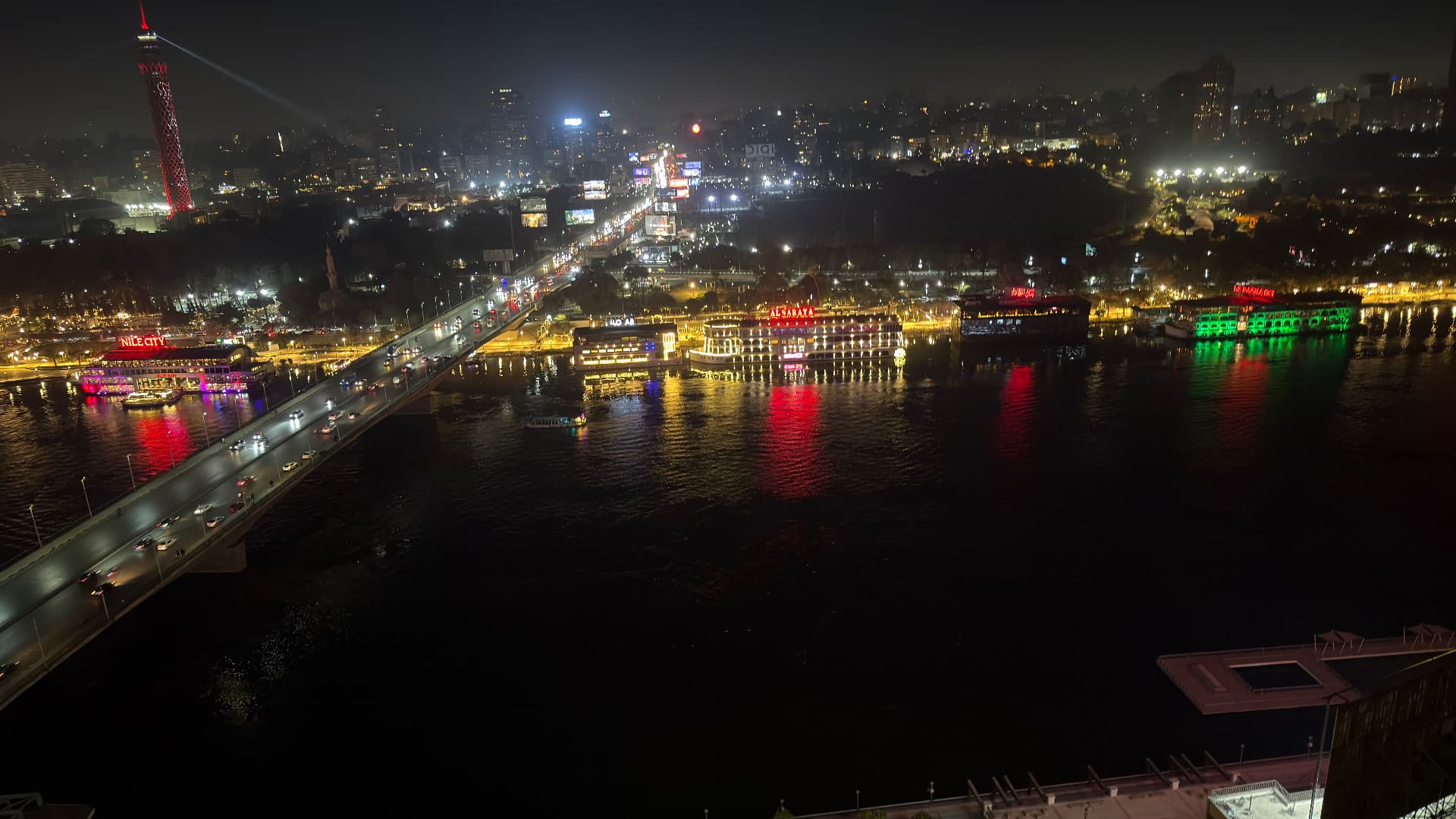
Cairo arrives all at once — bridge traffic over the Nile, floating restaurants lit up in red and green, and the Cairo Tower glowing above it all.
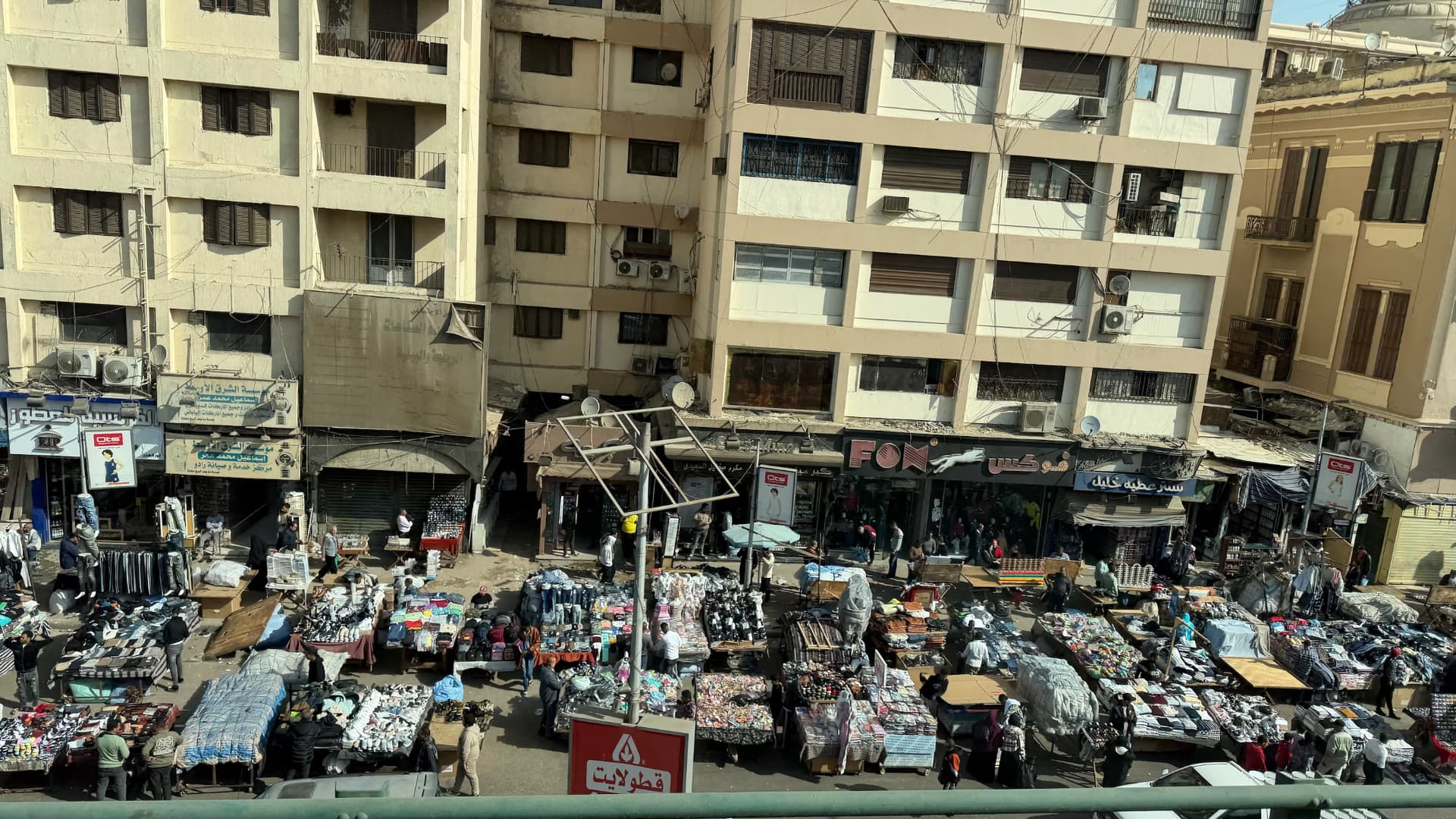
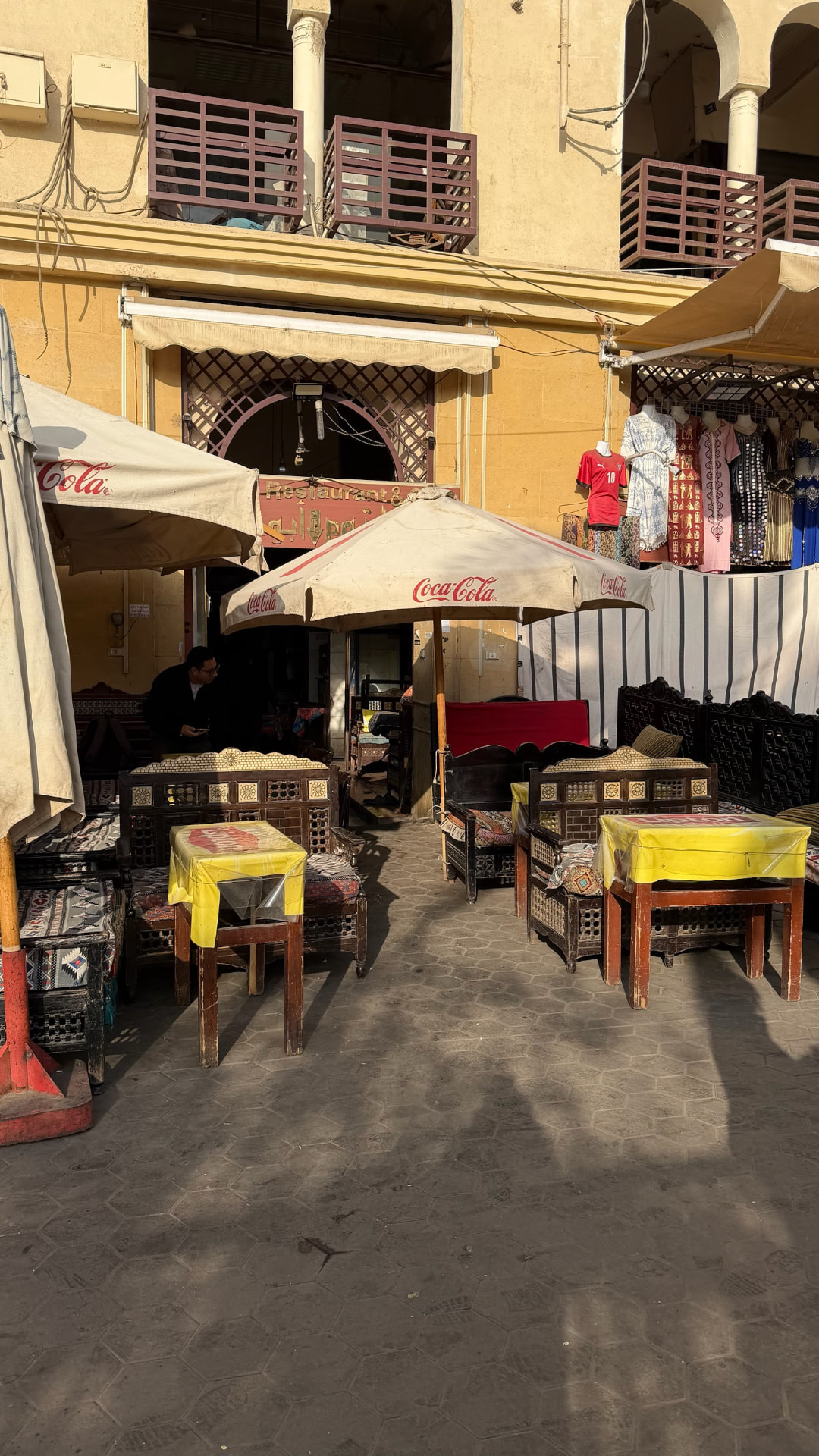
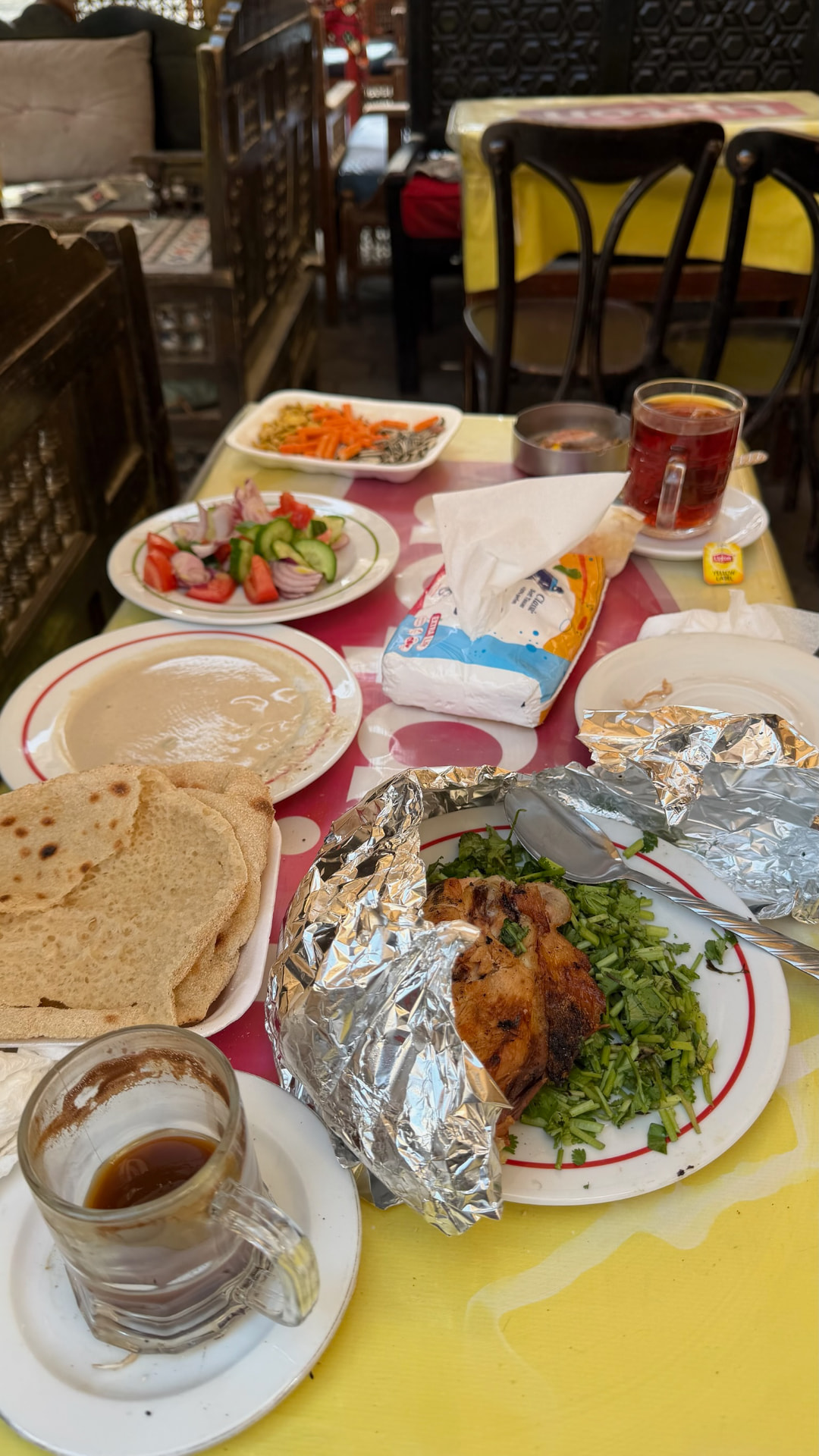
By day the city is a market. Whole streets disappear under tables of clothes and shoes, and lunch is grilled chicken, bread, tahini and a glass of hot tea at a small table under a café umbrella.
Chapter 02 · Giza
Built for eternity
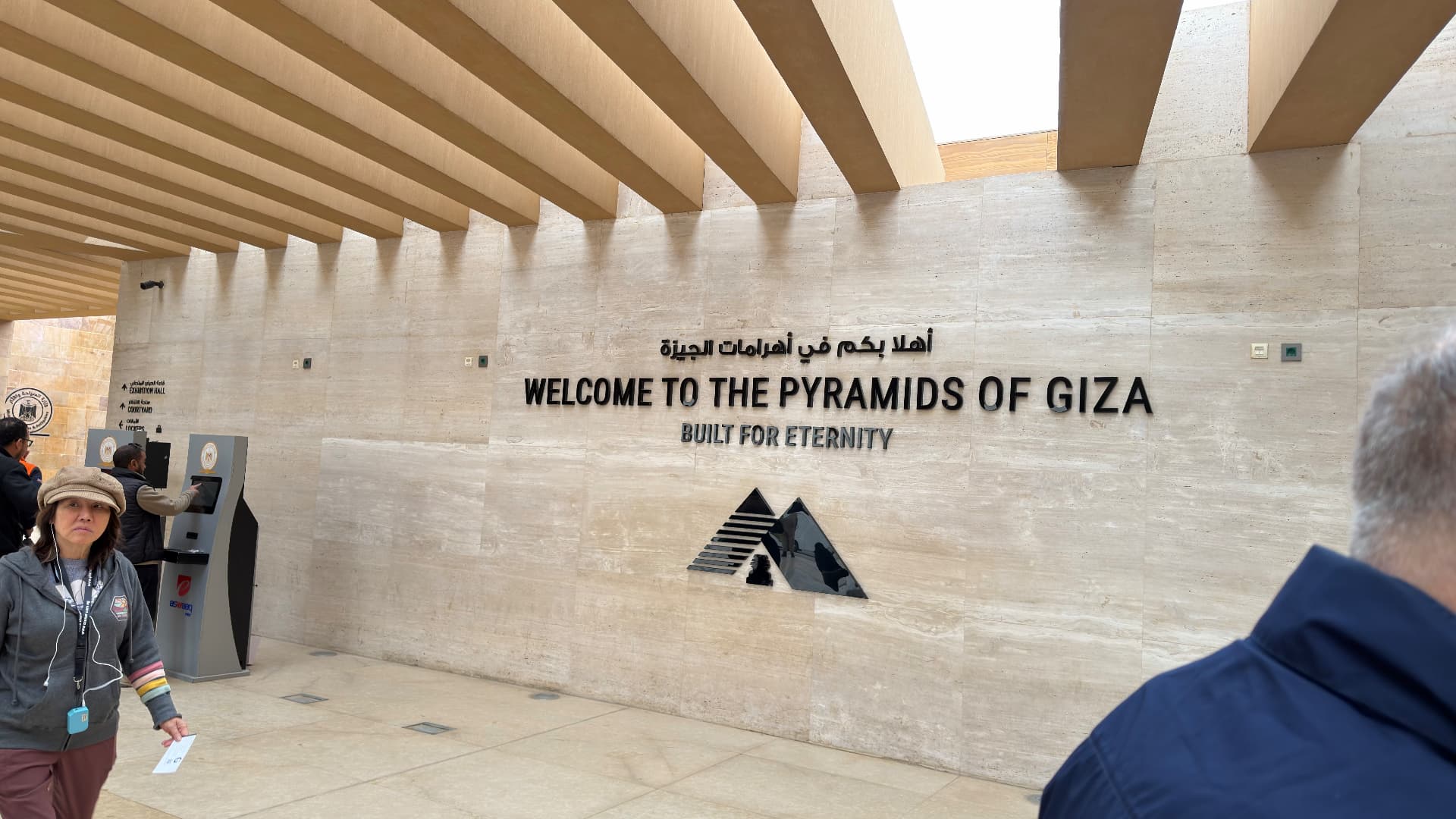
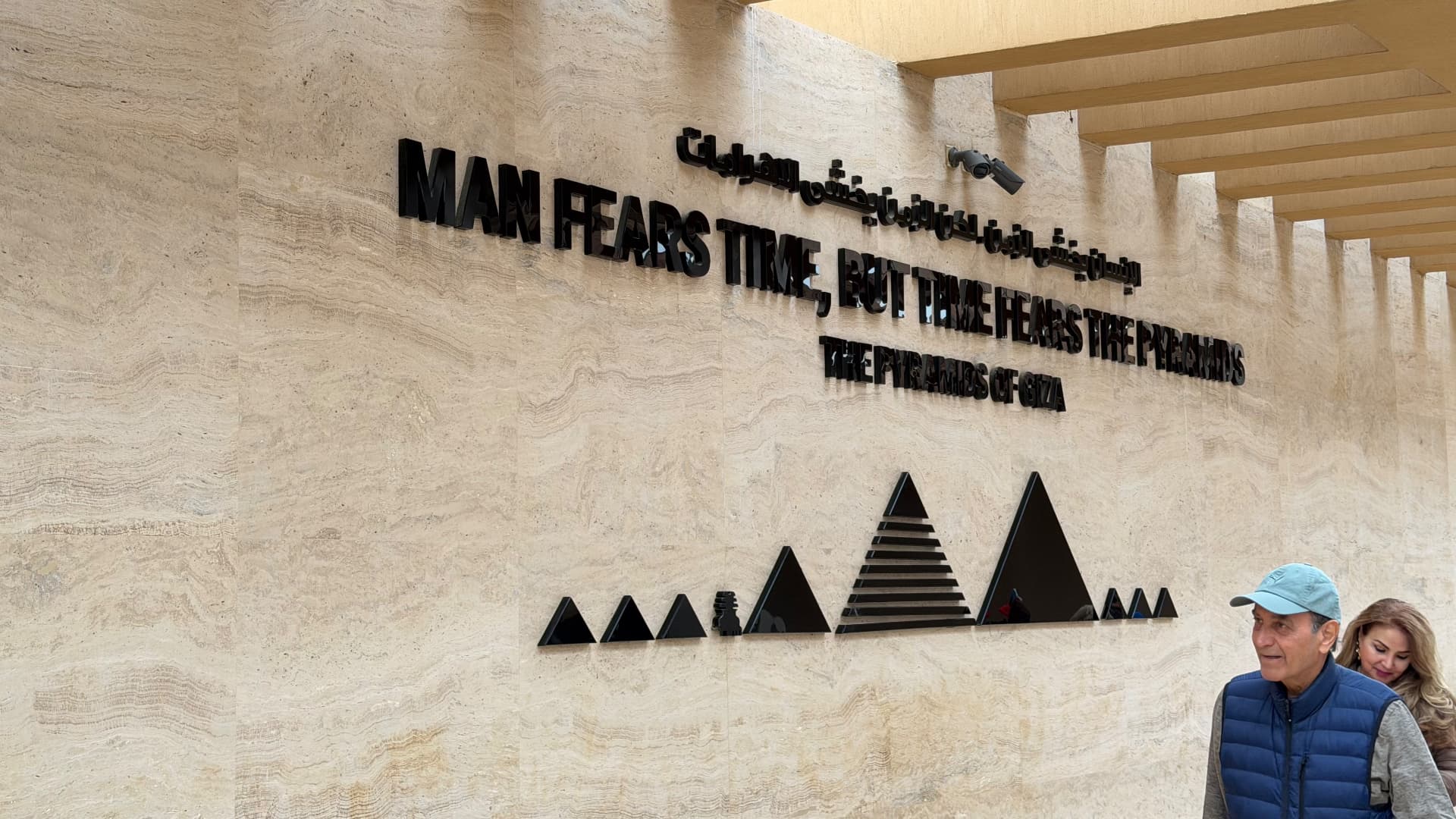
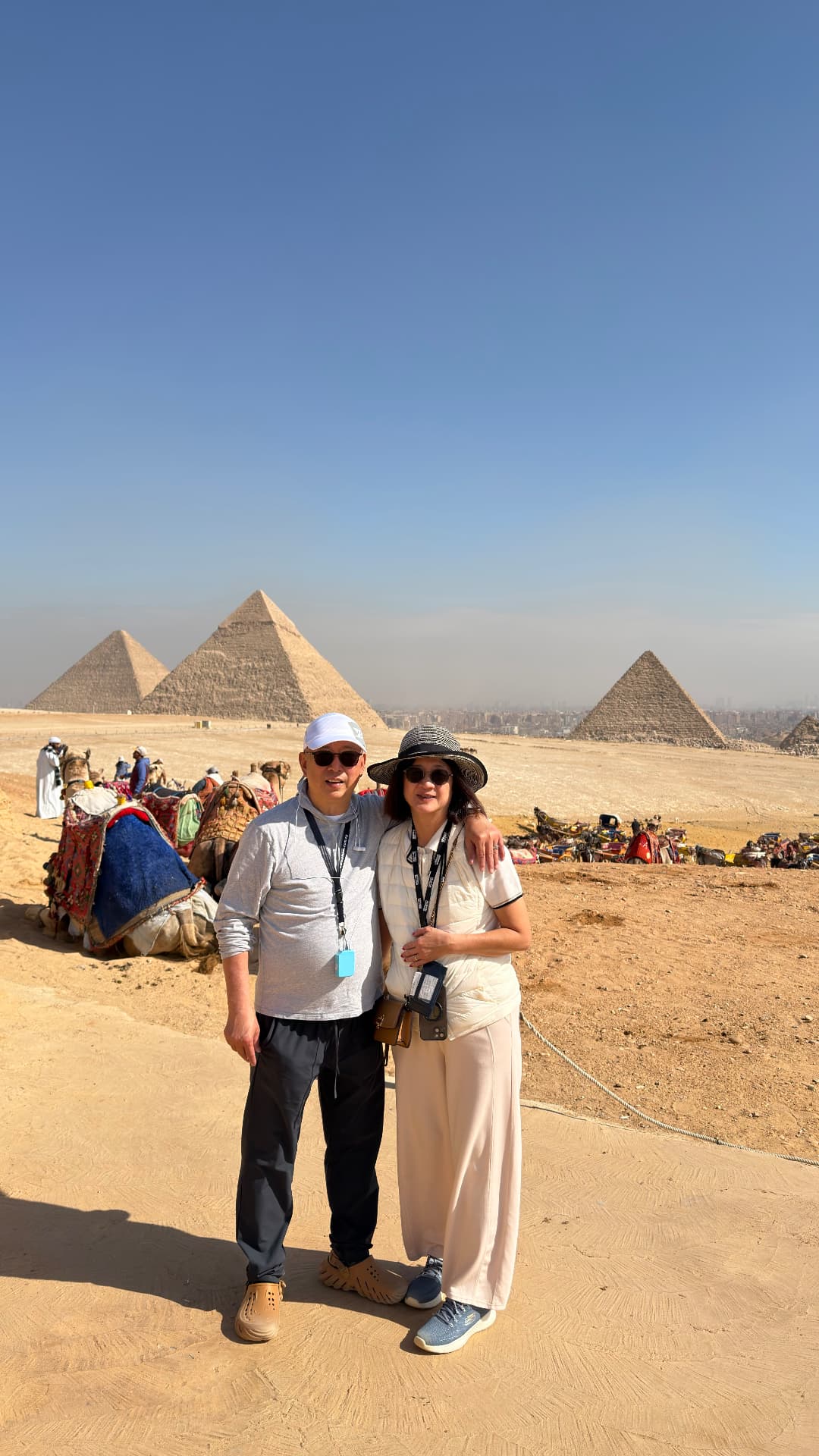
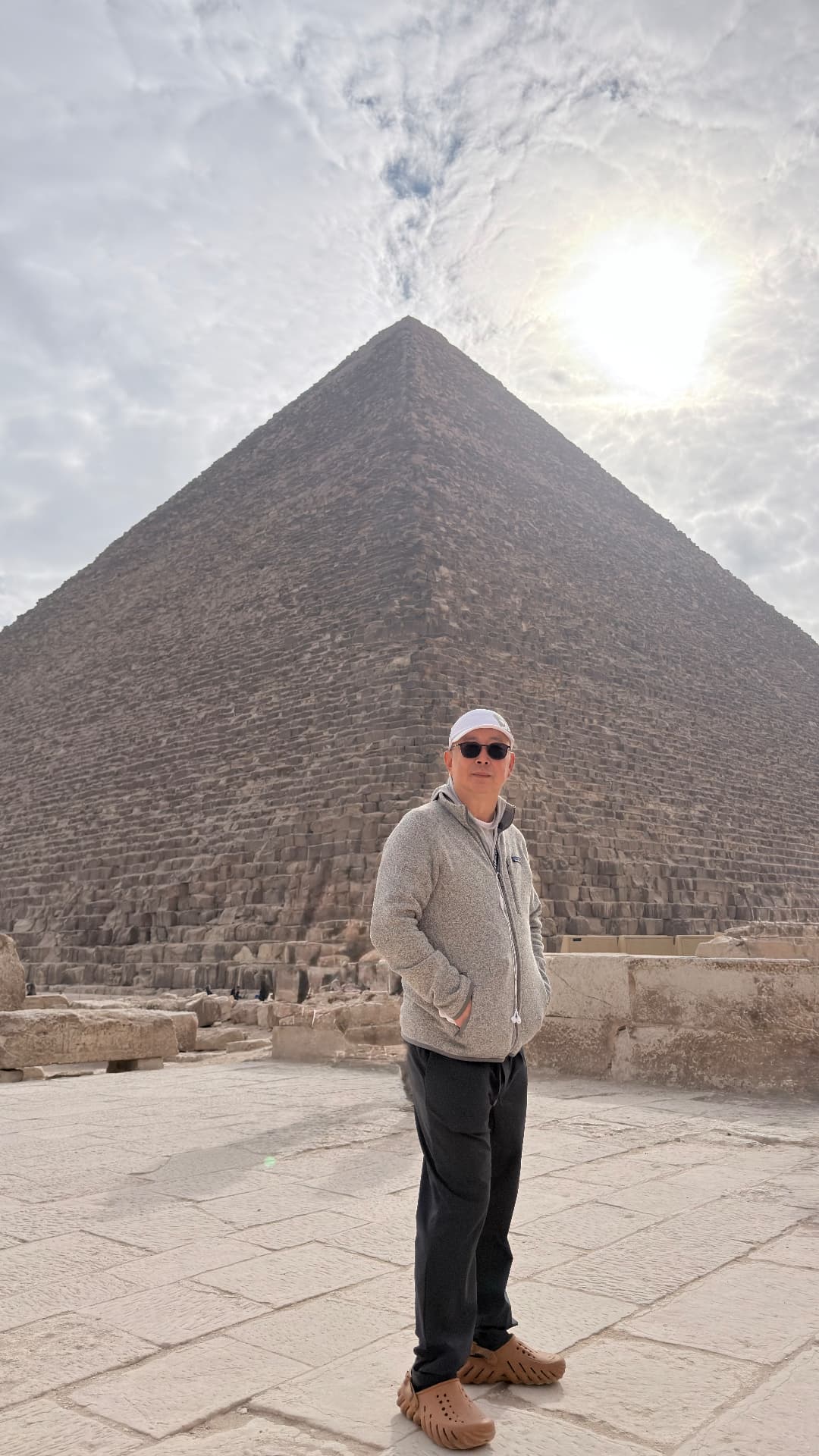
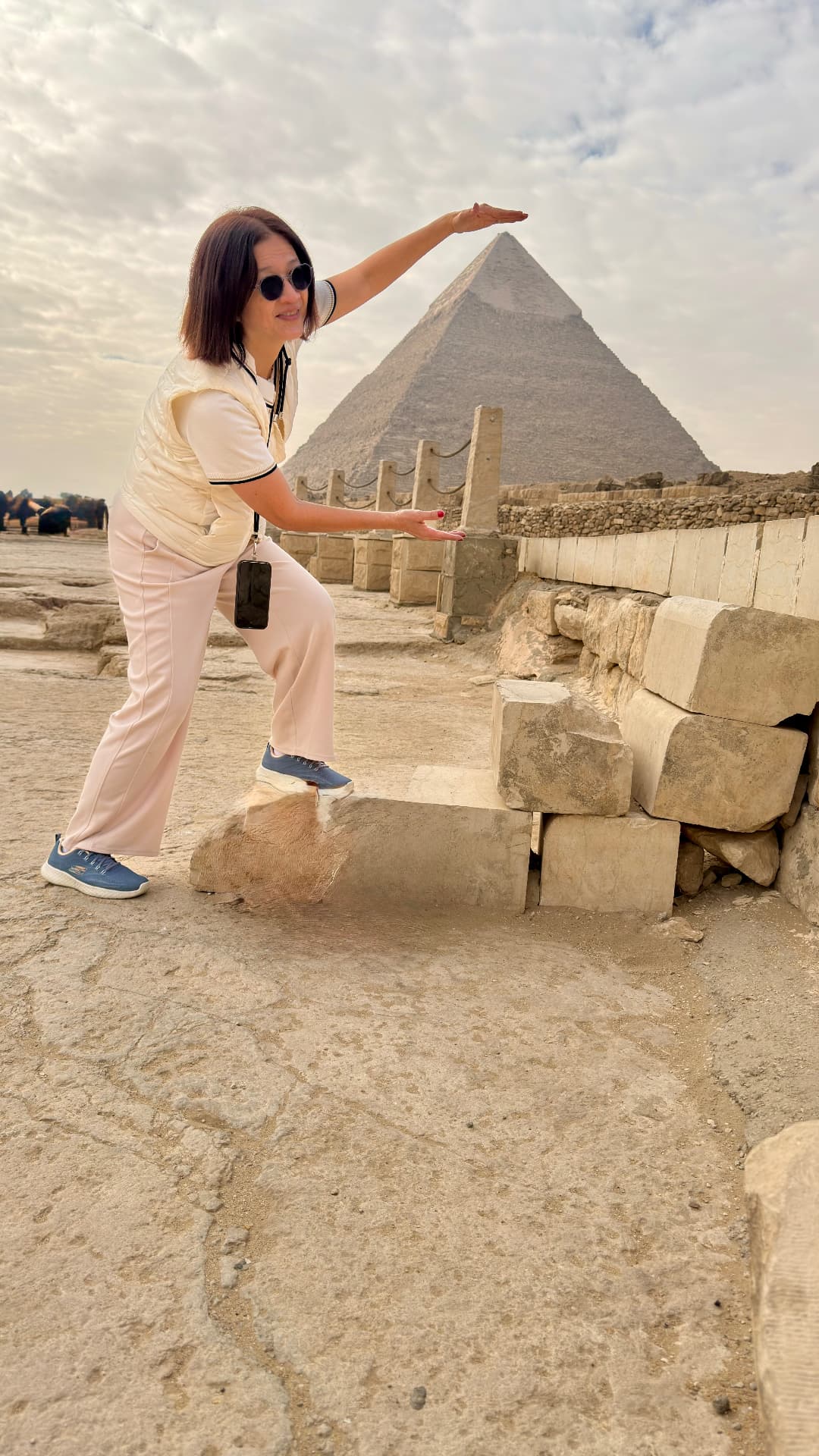
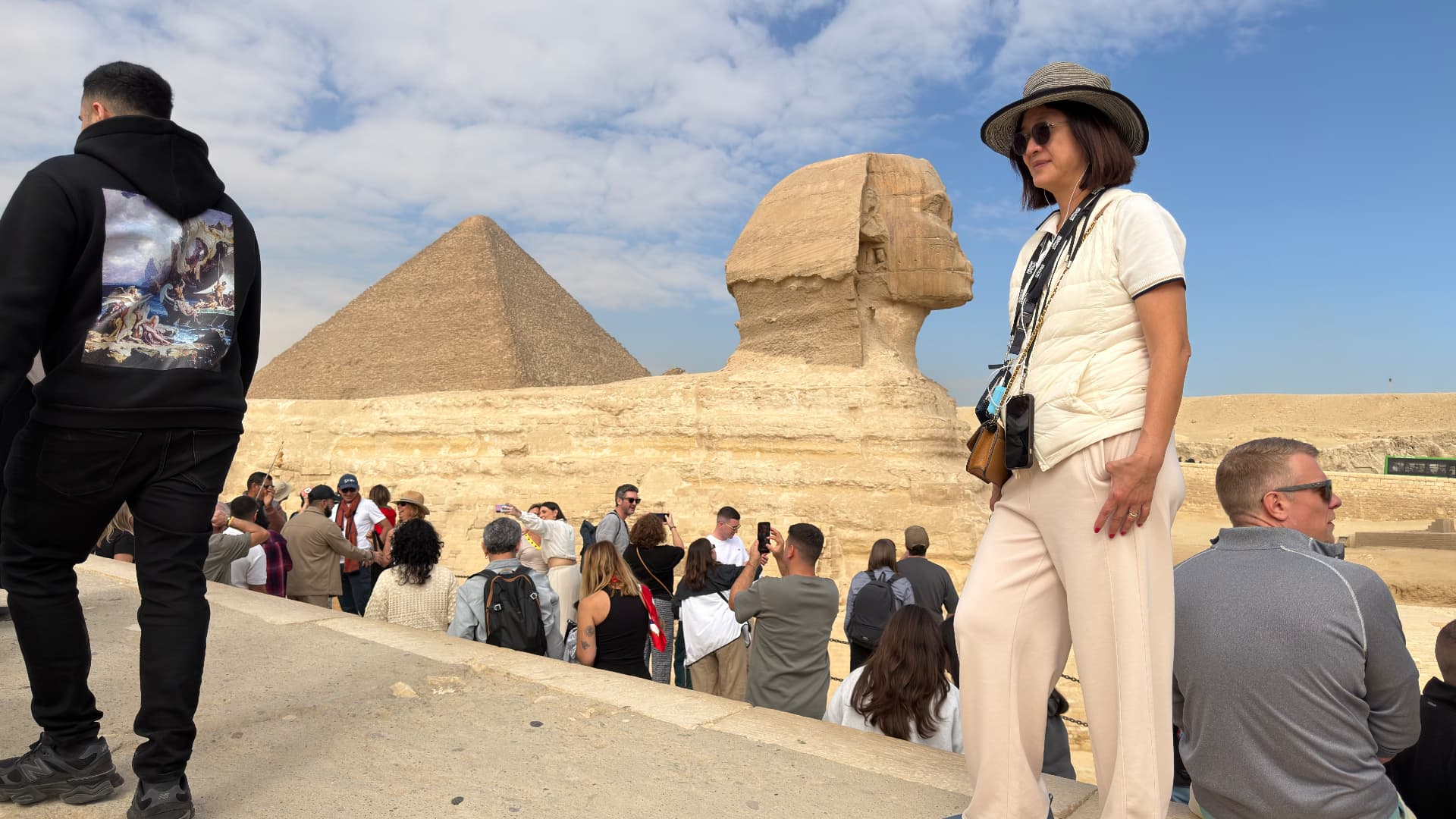
The entrance wall says it plainly: welcome to the Pyramids of Giza, built for eternity. A few steps on, another: man fears time, but time fears the pyramids.
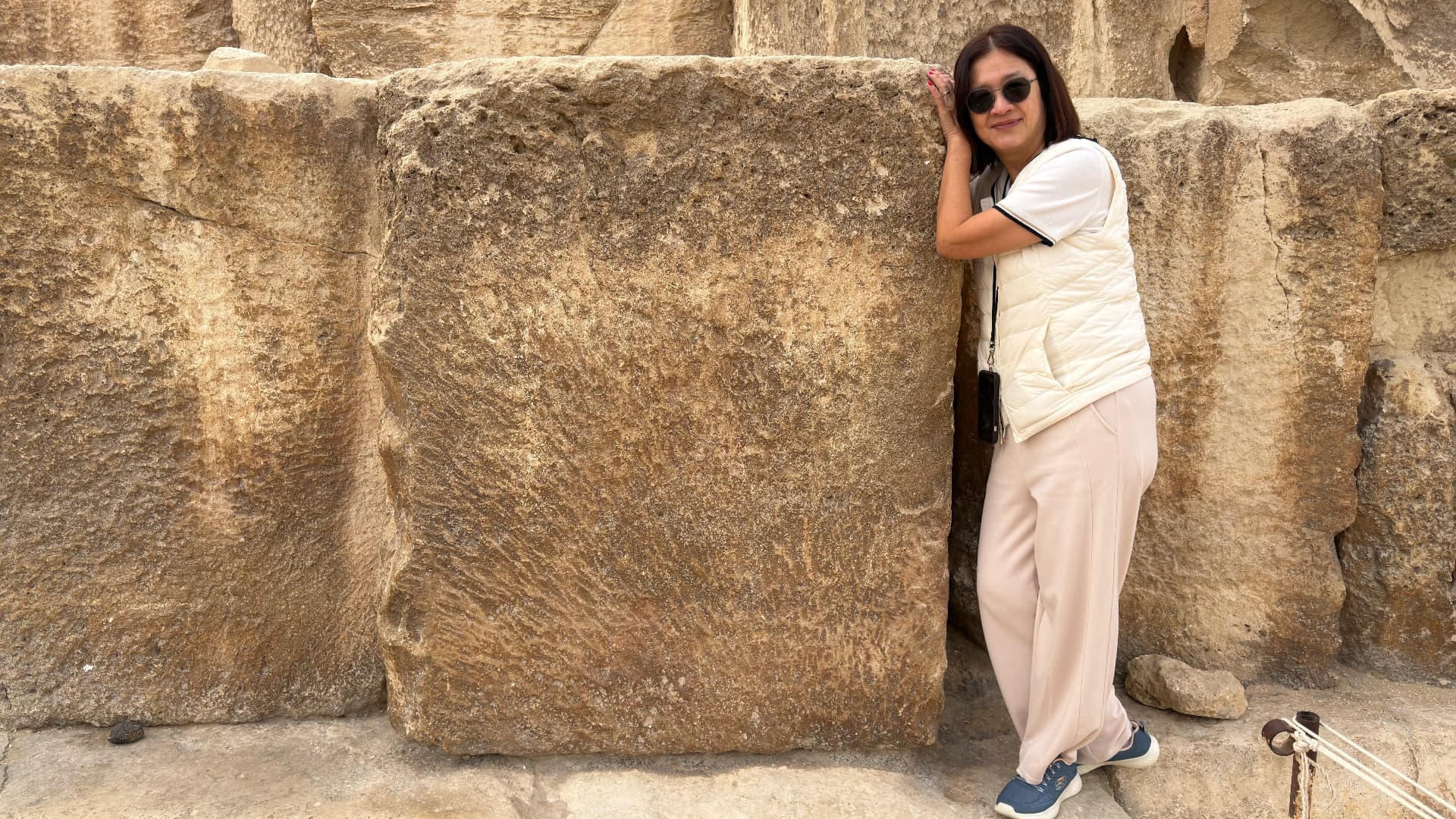
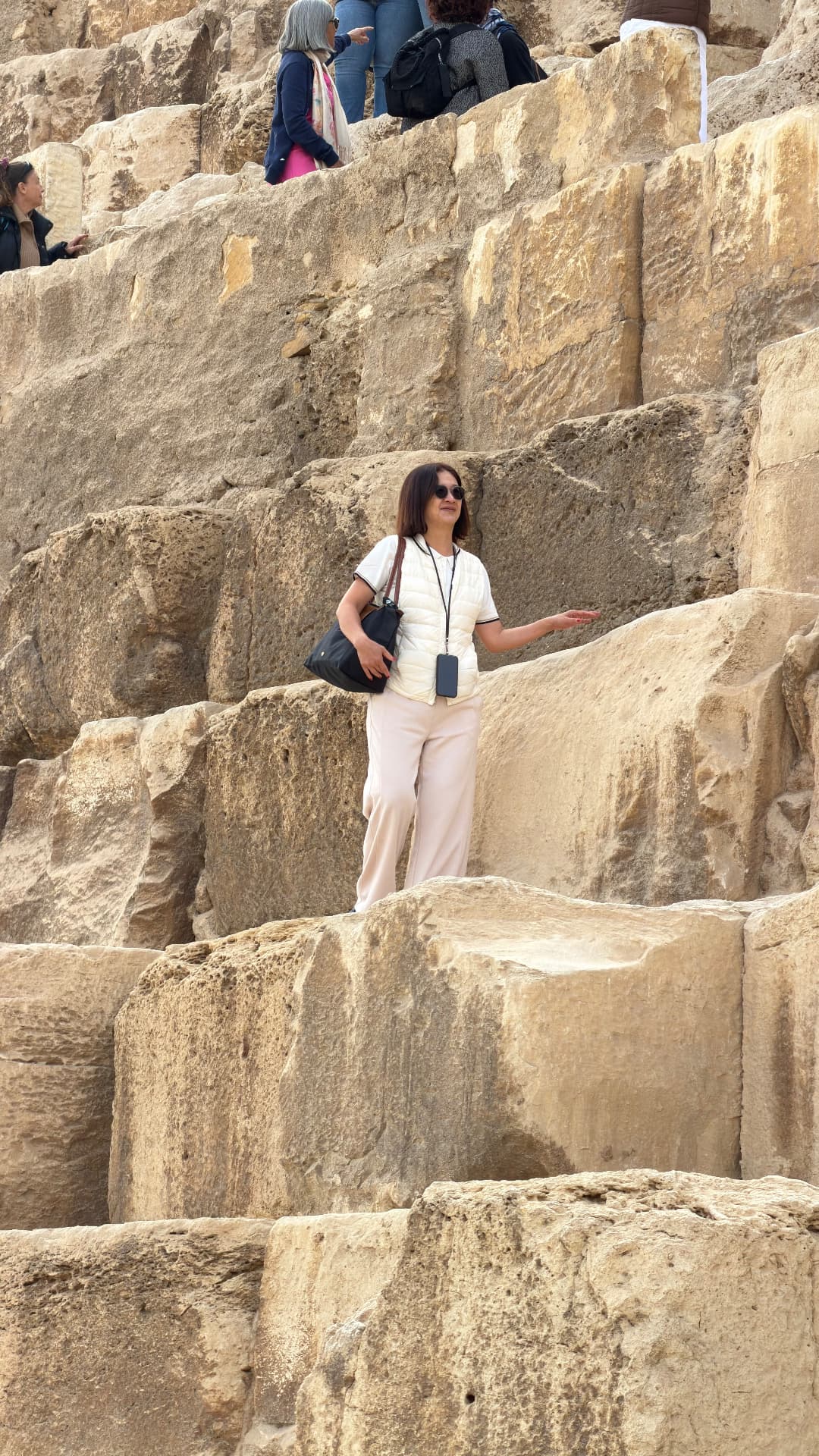
Then you are out on the plateau, and the scale stops being a sentence and becomes a single block of stone taller than you are. Camels wait at the edge of the sand. The Sphinx keeps its own crowd.
Chapter 03 · The Egyptian Museum, Cairo
Rooms full of granite
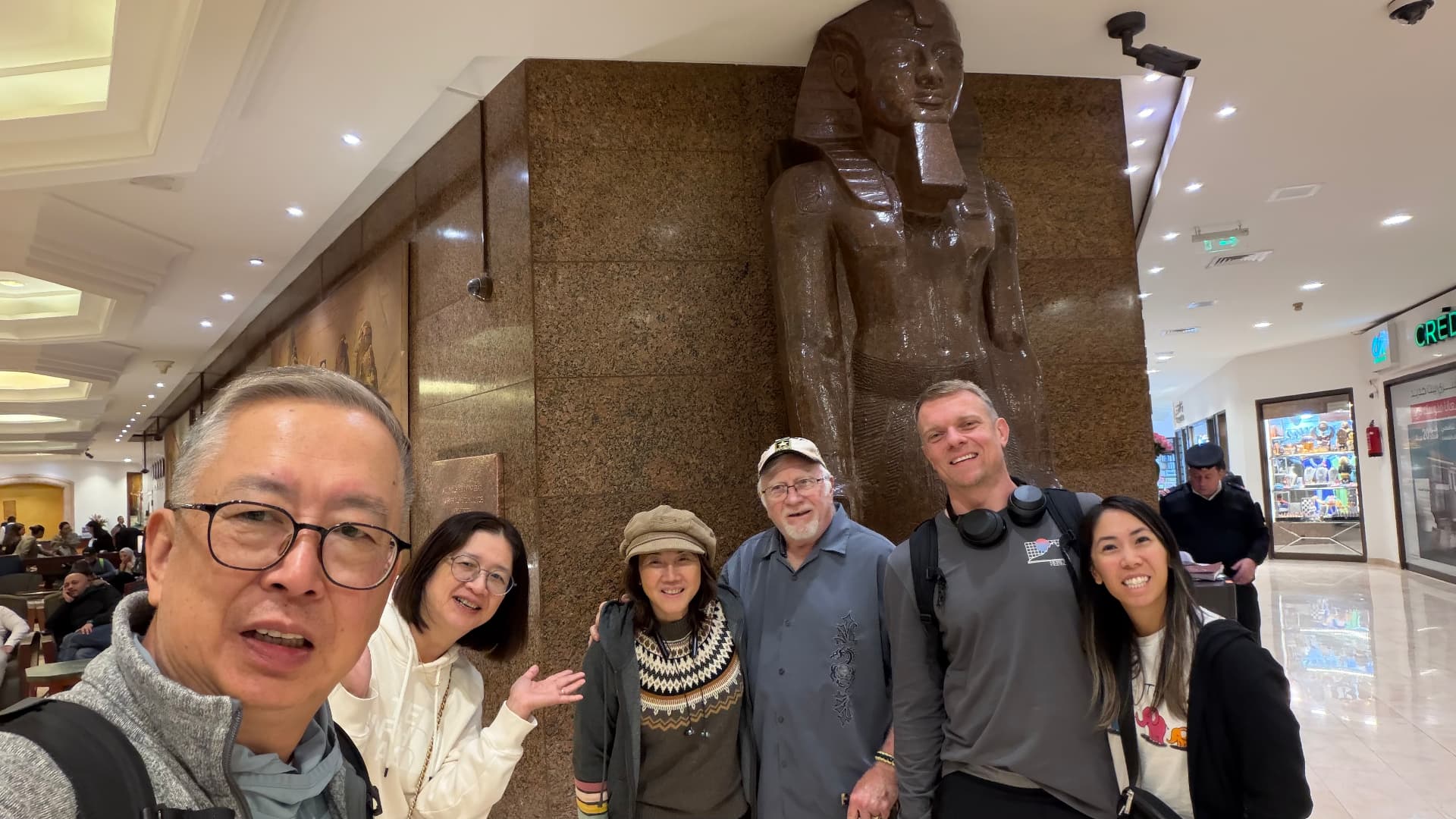
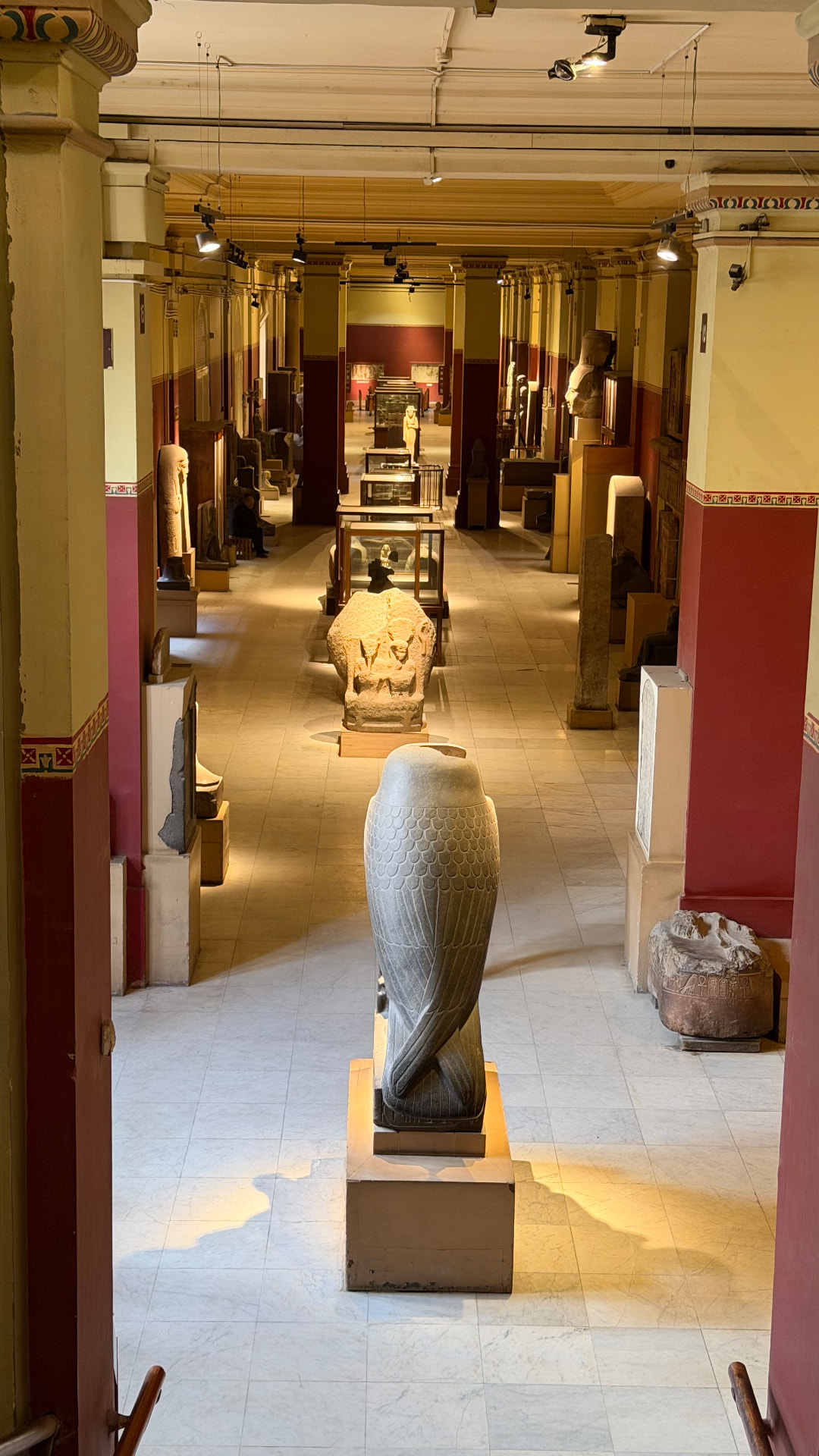
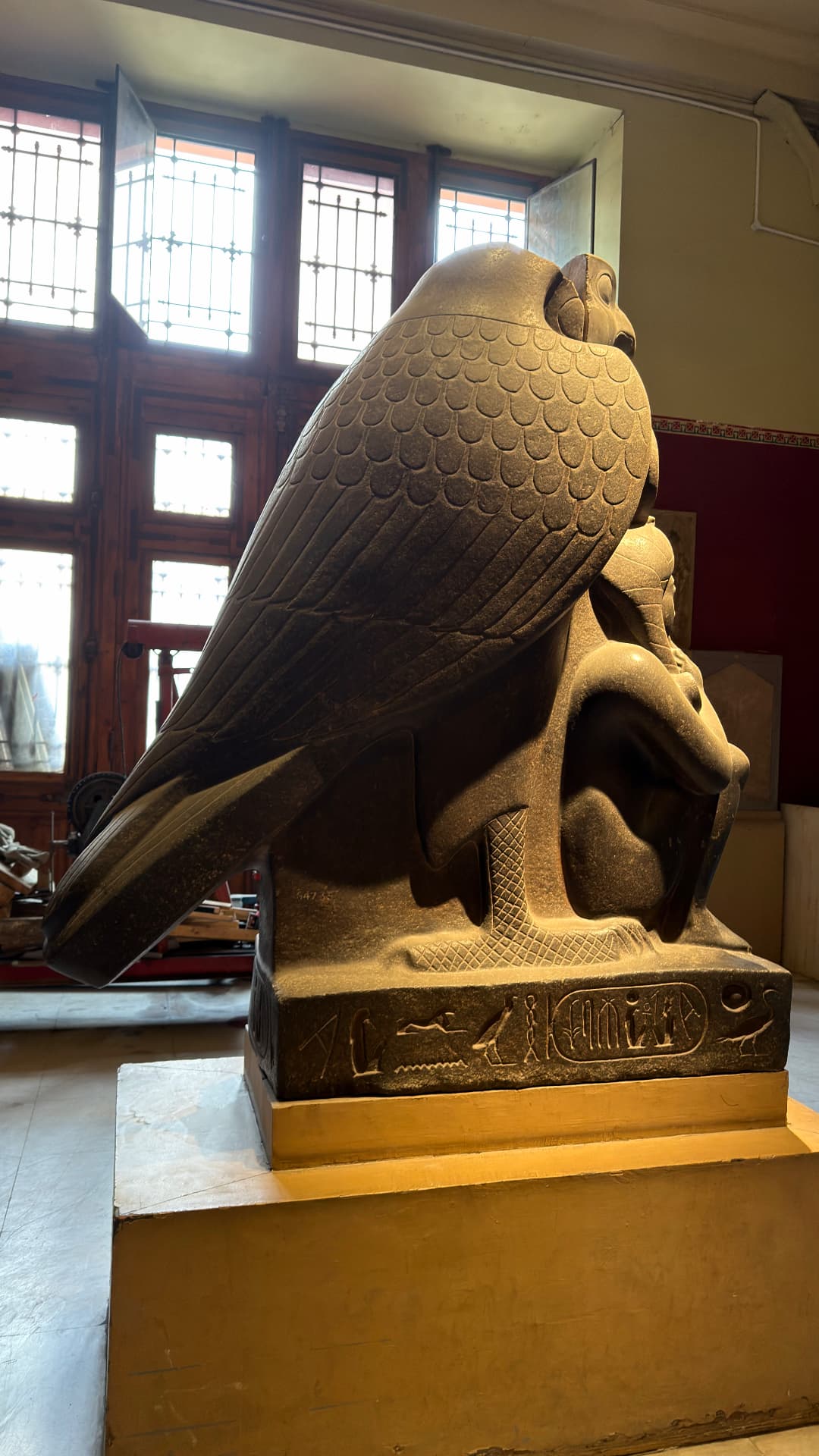
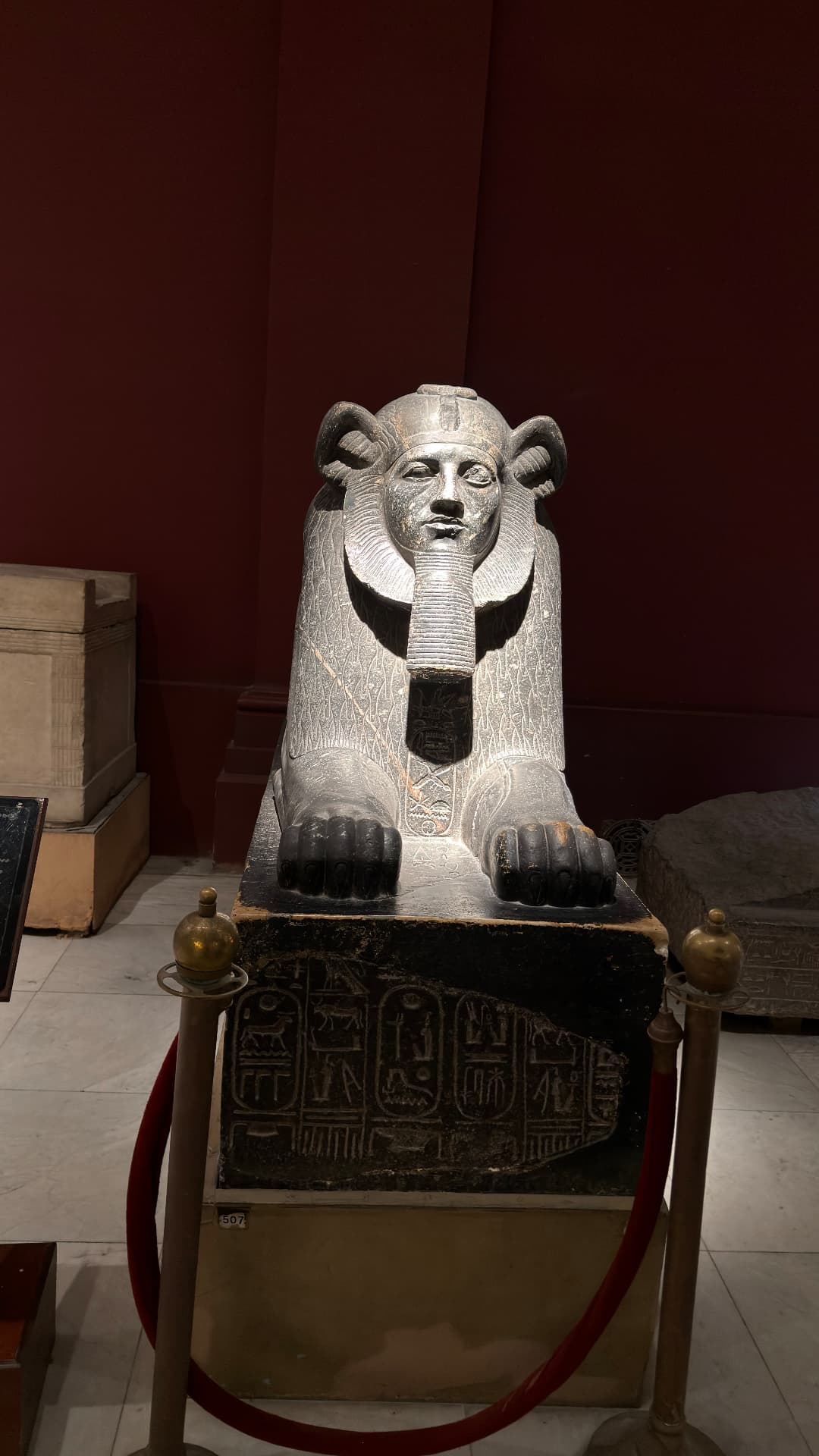
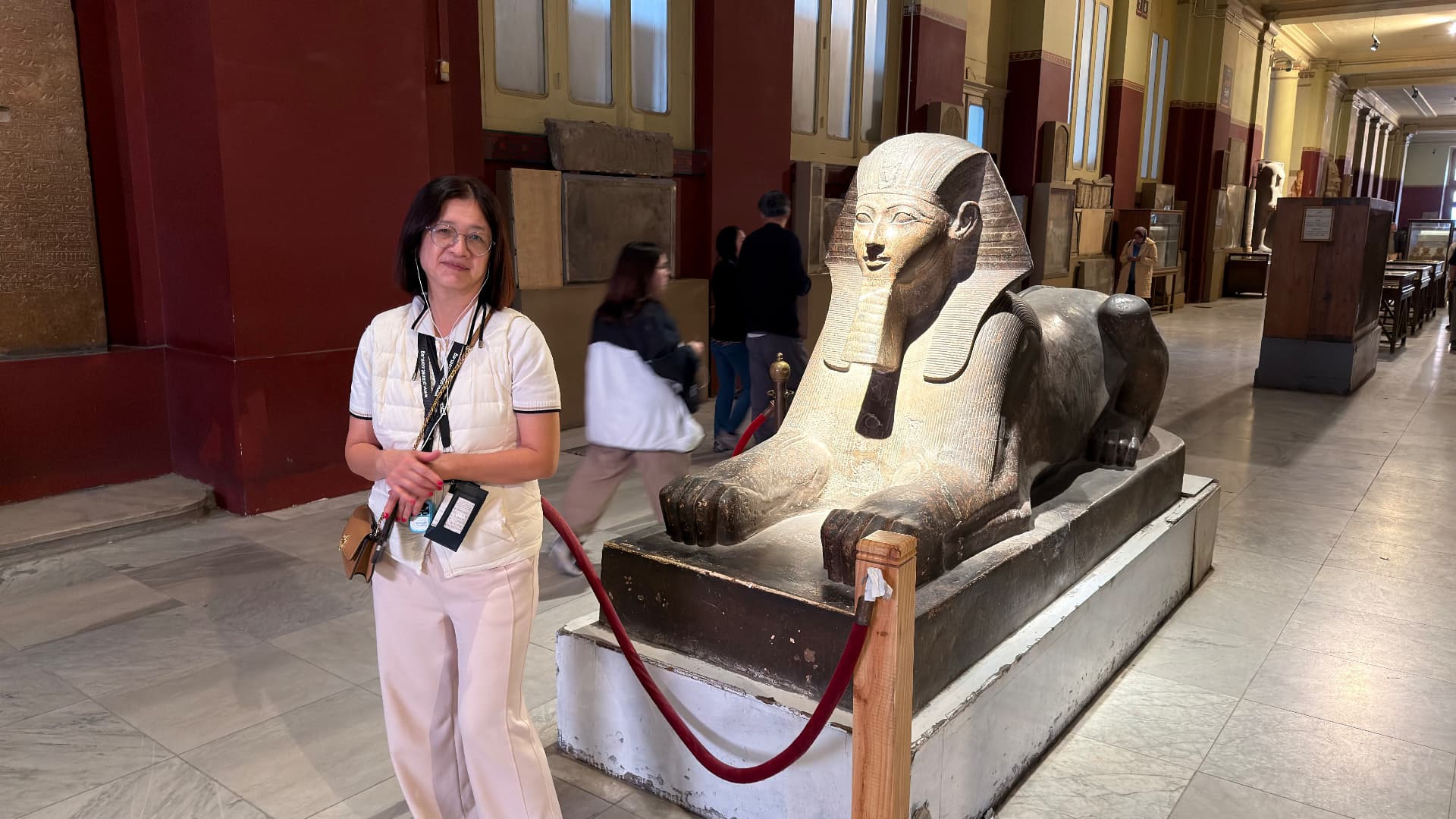
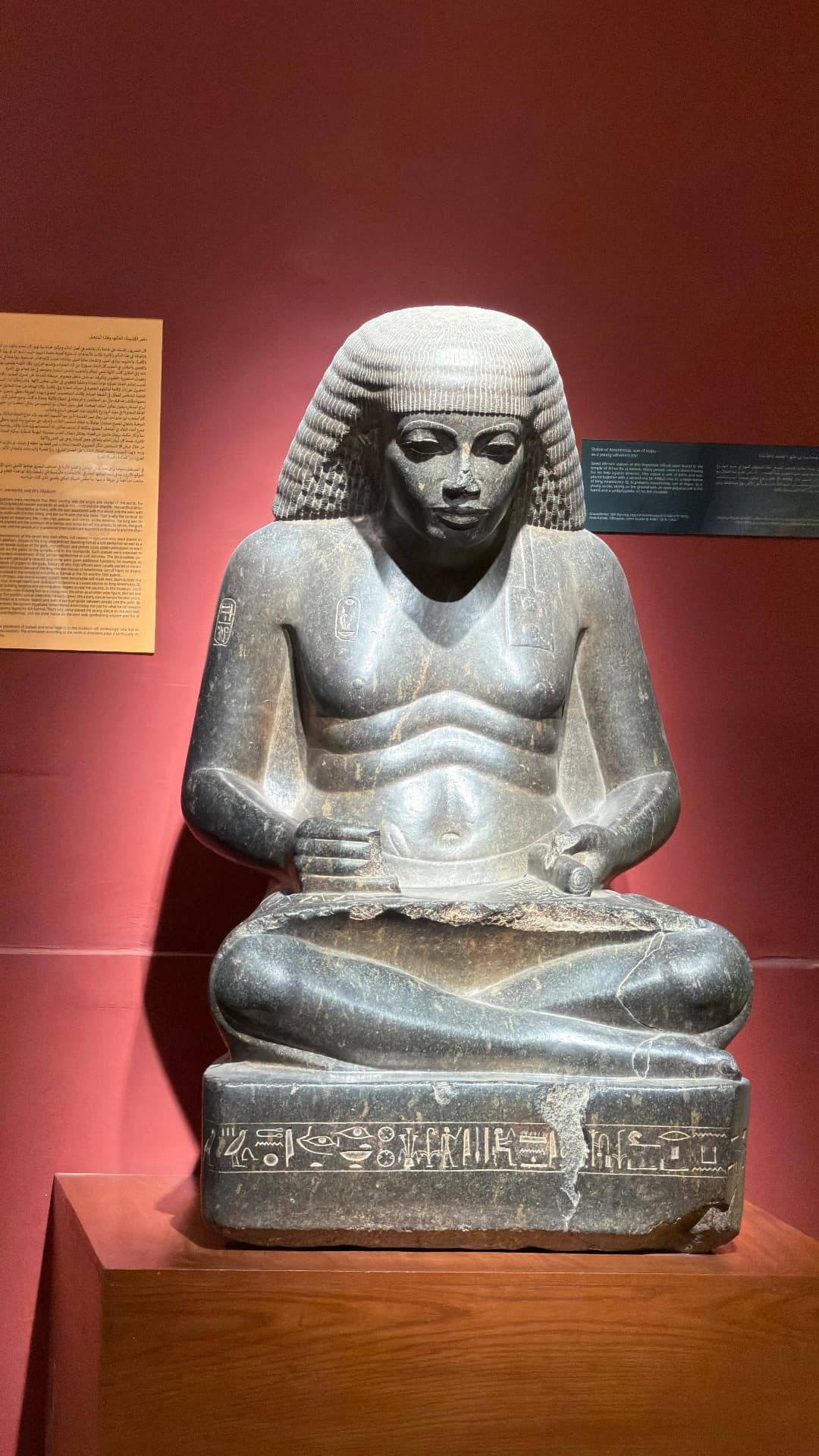
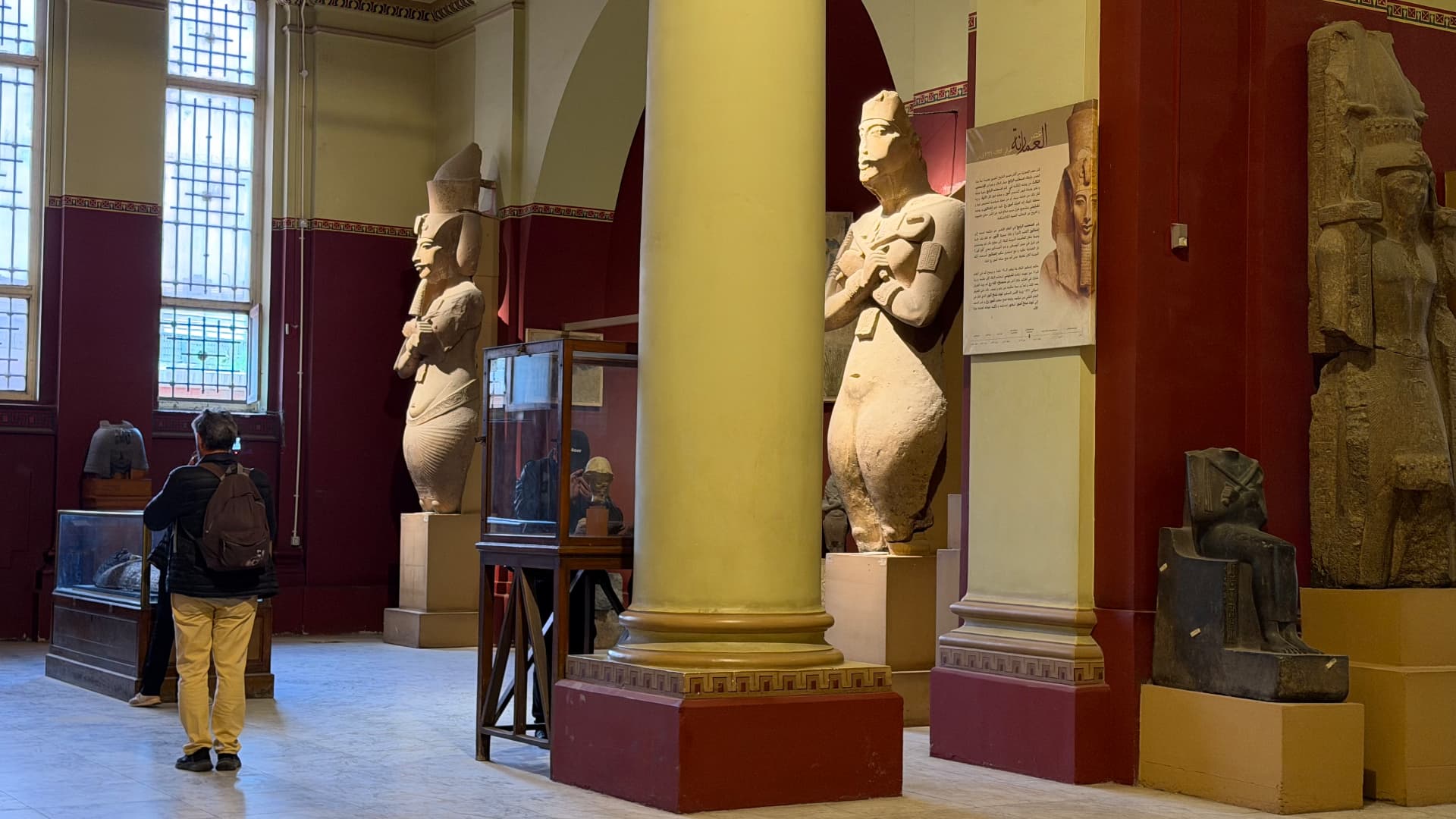
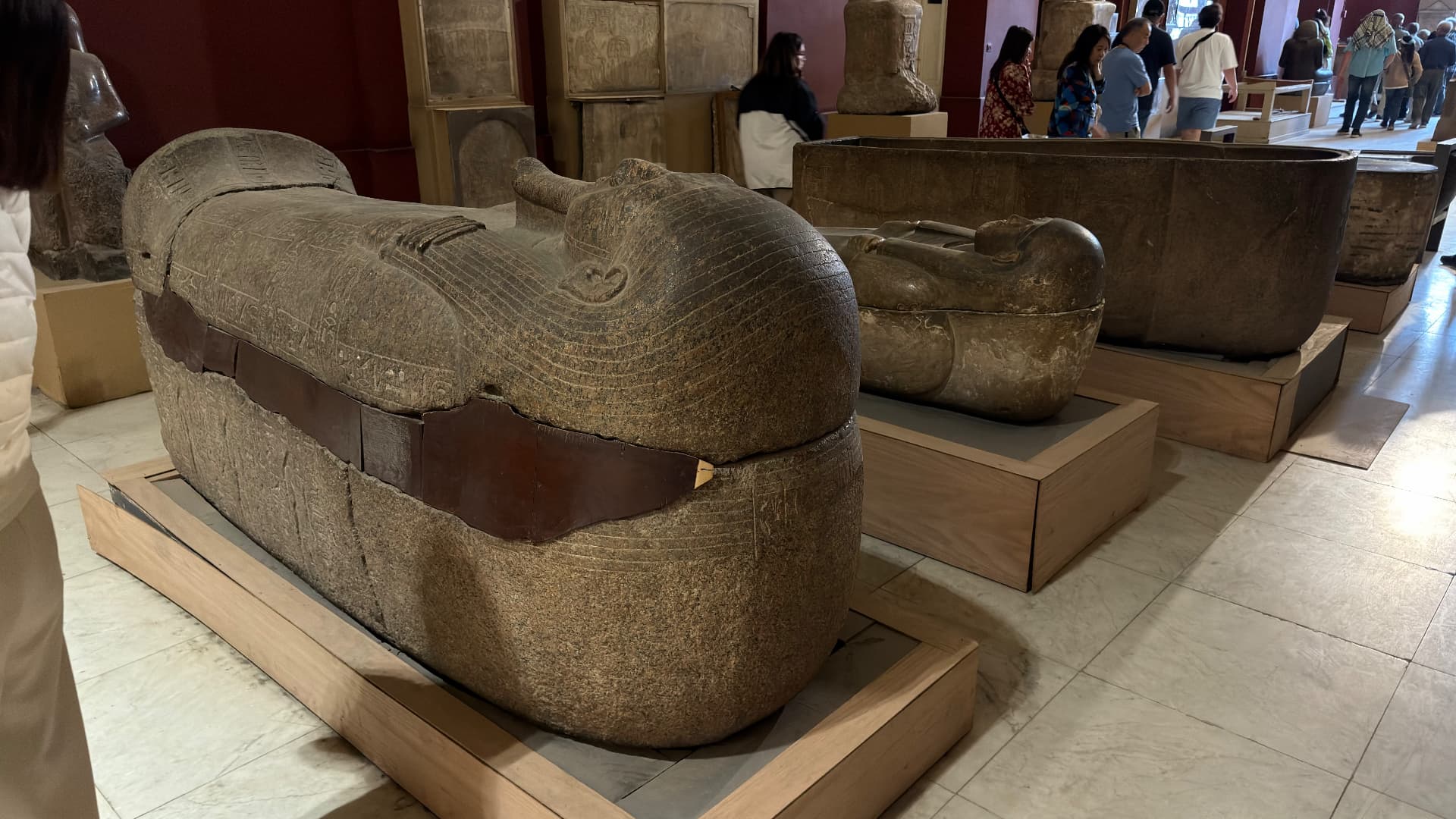
The old museum is long halls and high windows, statues standing where they have stood for a century, sarcophagi resting on plain wooden frames.
The pieces are enormous and matter-of-fact: a granite falcon, a polished sphinx, a seated scribe reading the scroll across his knees.
Chapter 04 · Aswan
The dam, the island, the market
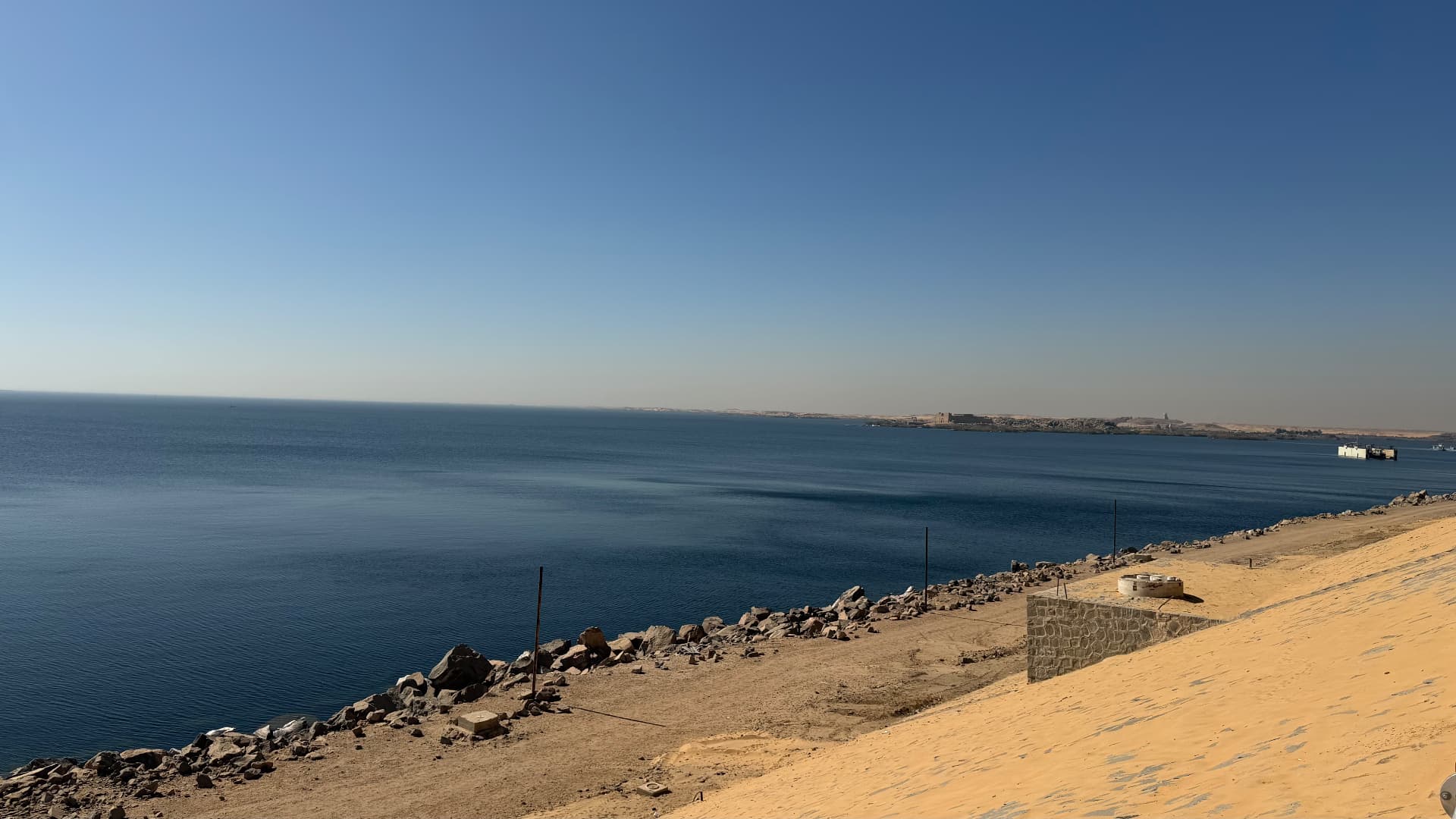
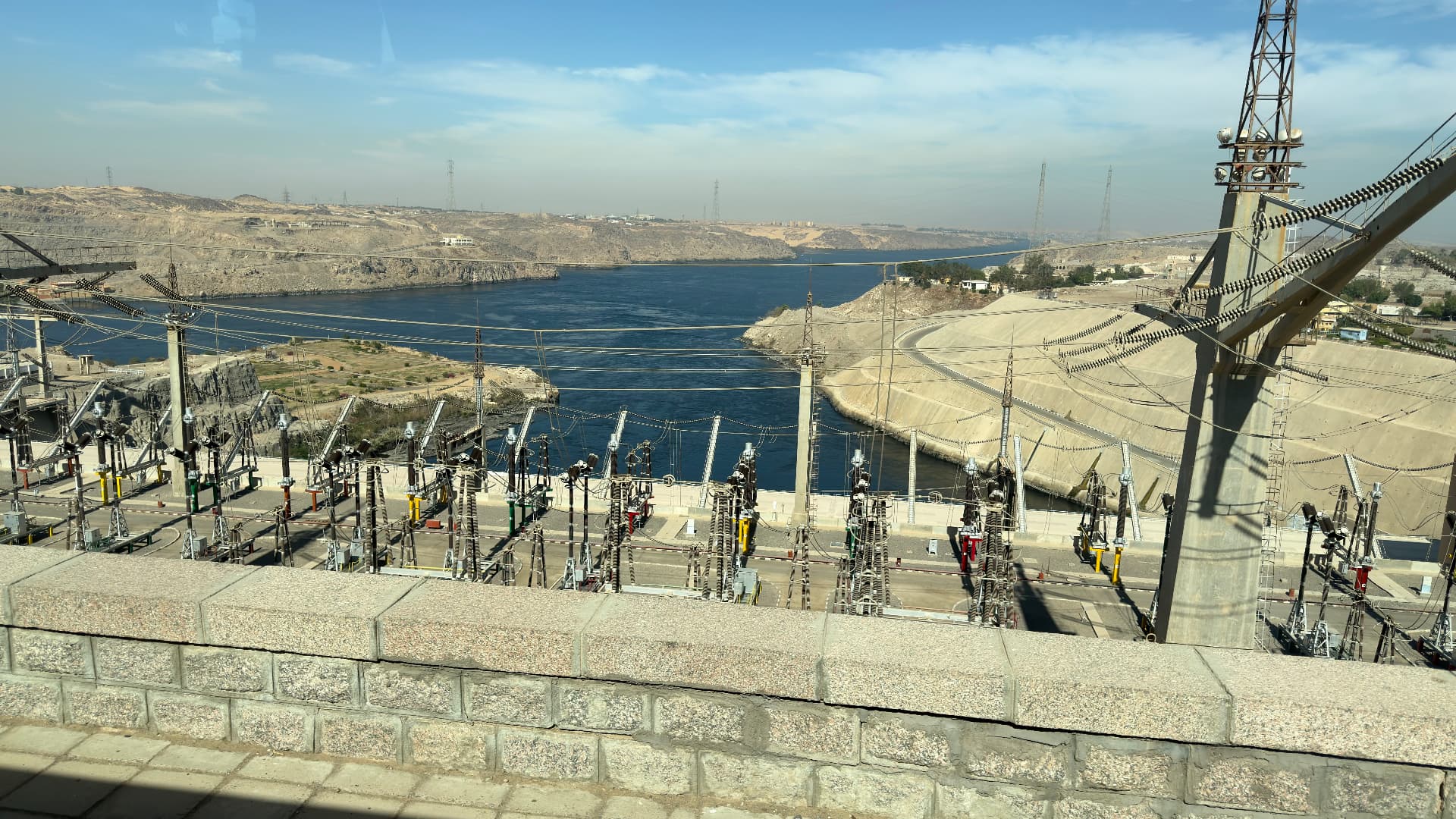
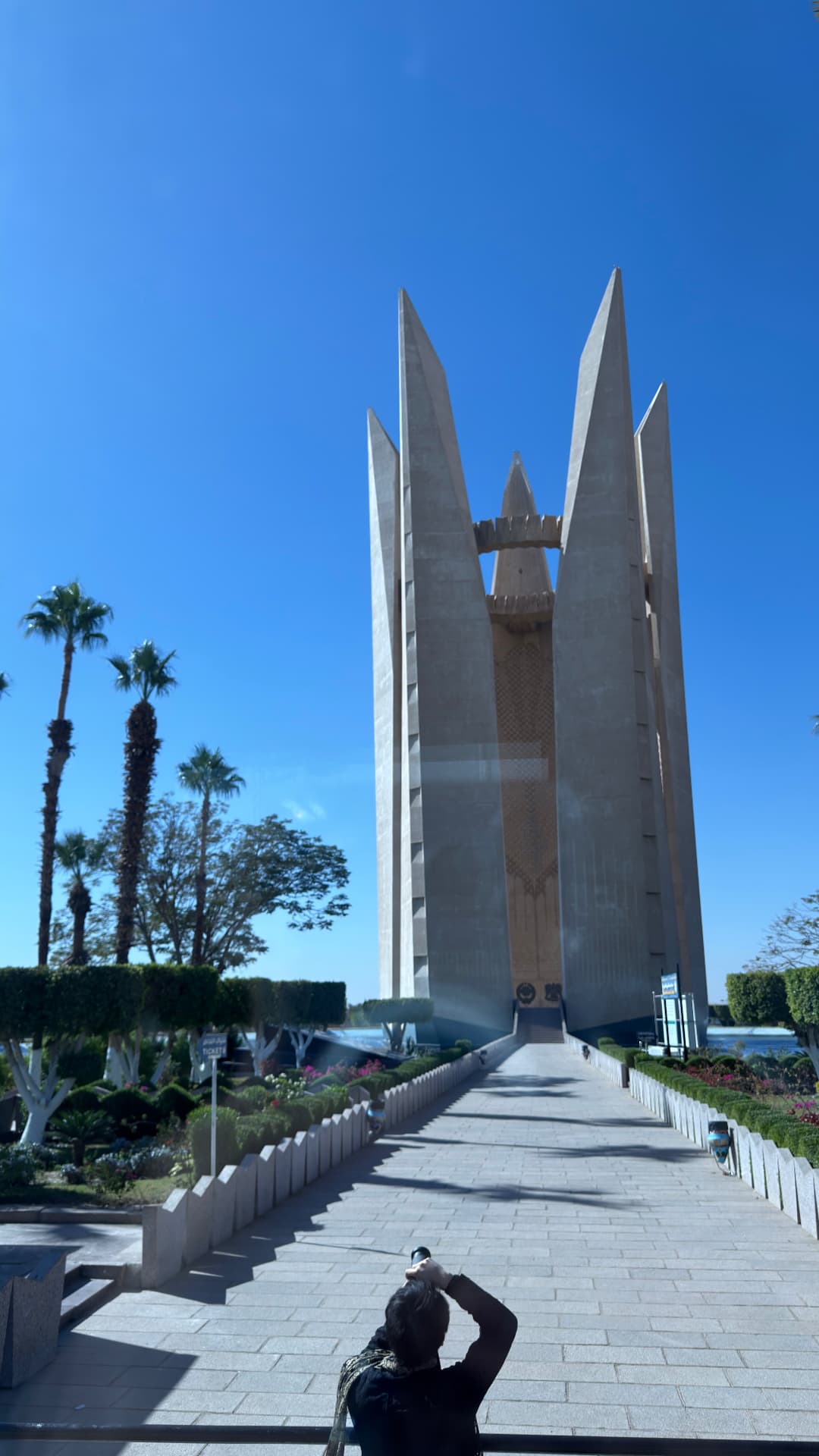
The High Dam holds back a lake that runs to the horizon — flat blue water on one side, switchyards and the narrowed river on the other, and a tall lotus monument standing over the whole thing.
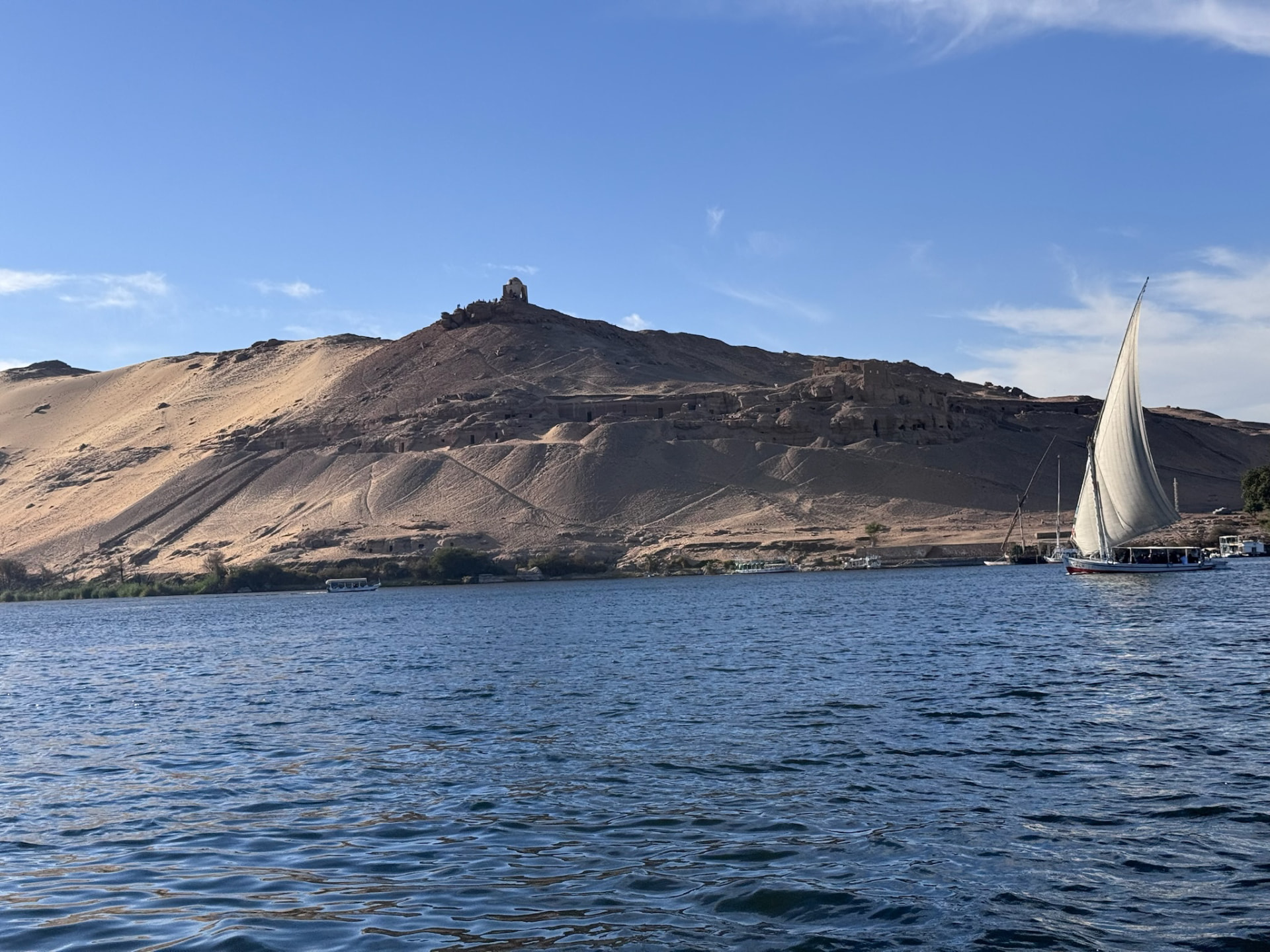
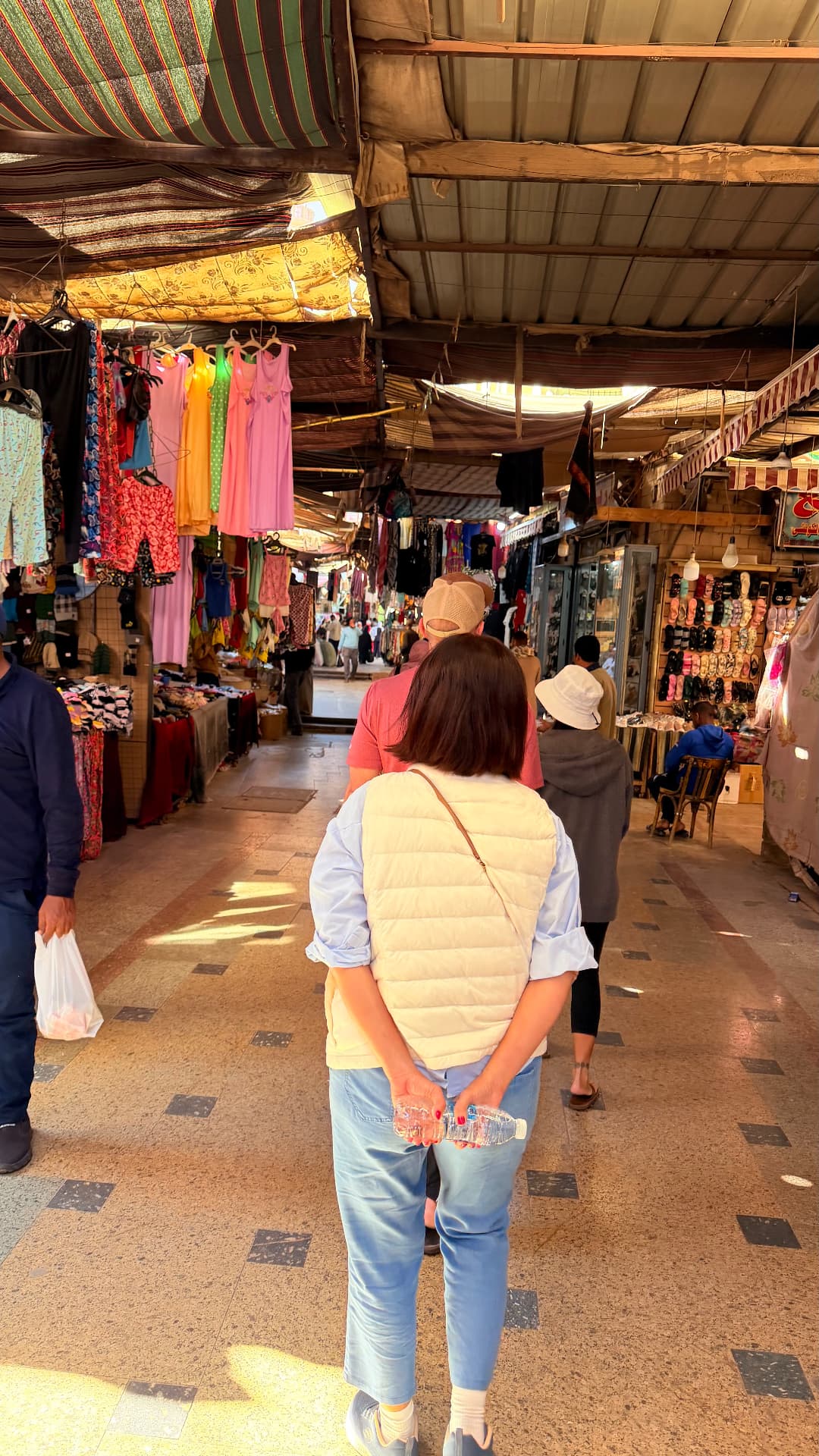
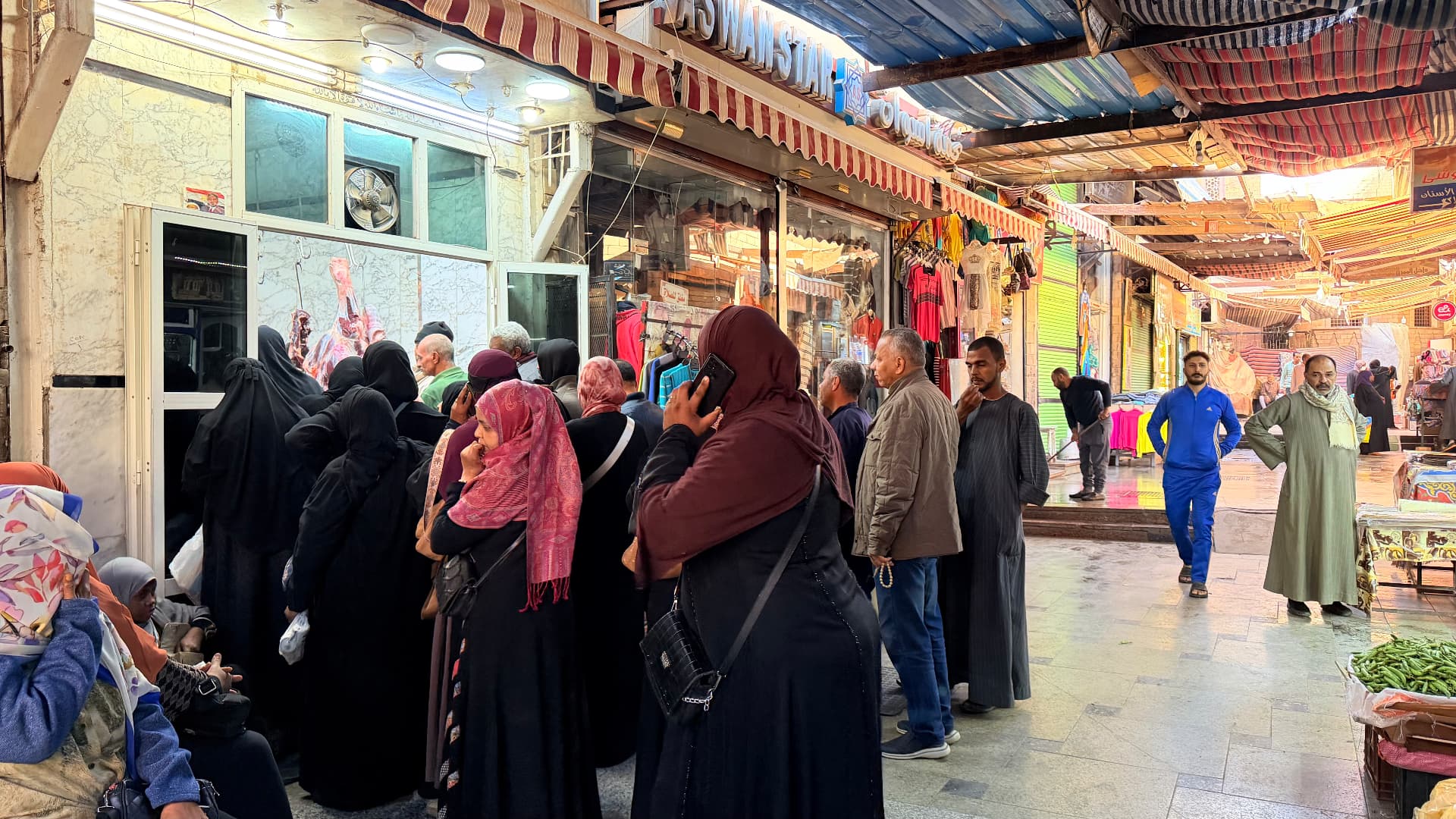
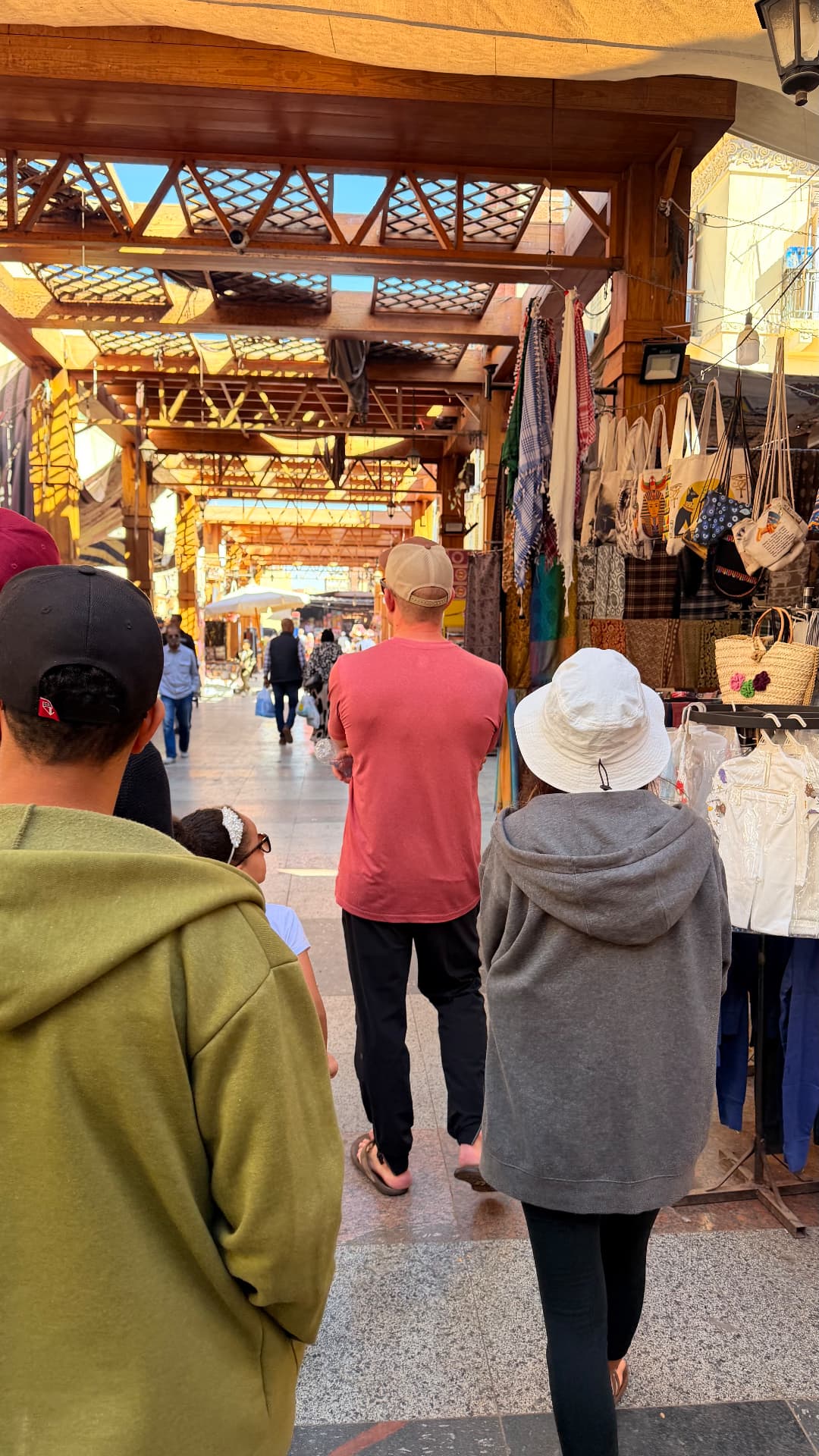
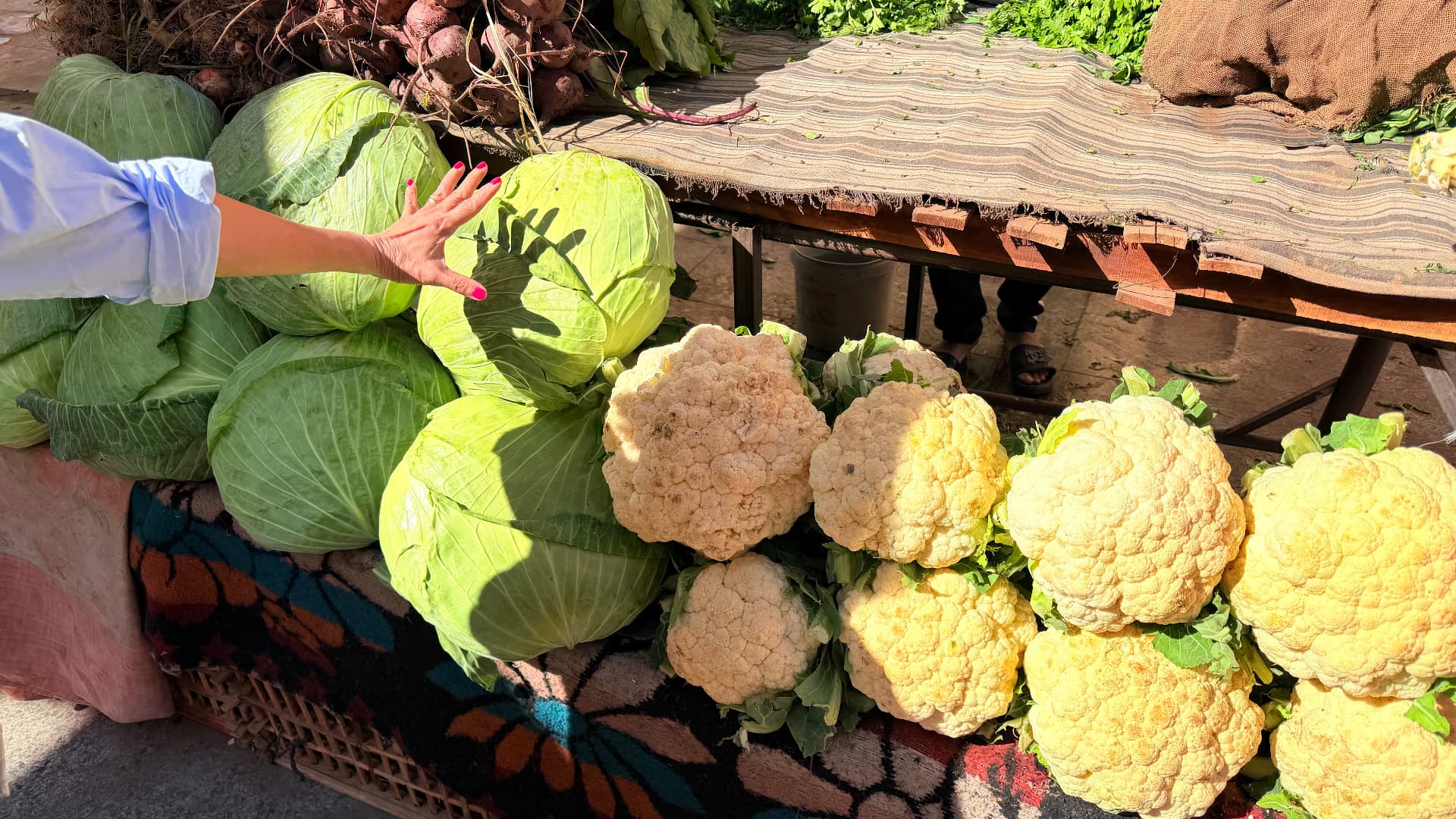
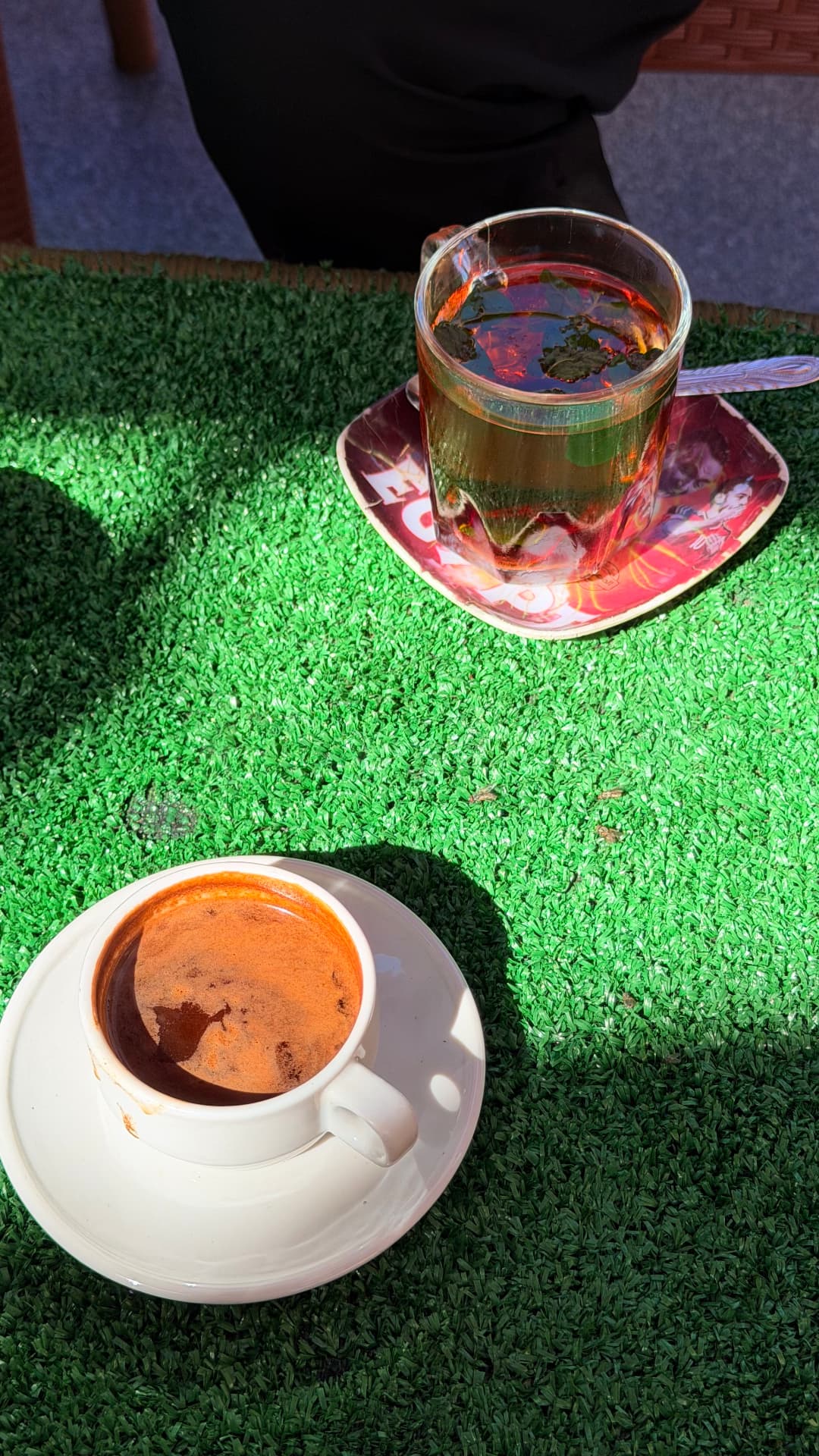
Downstream, feluccas cross in front of the sand hills of Elephantine Island. In town, the market is cool under its awnings: dresses on hangers, cauliflowers stacked on a rug, and coffee and mint tea at a table on the pavement.
Chapter 05 · Kom Ombo
Kom Ombo, at blue hour
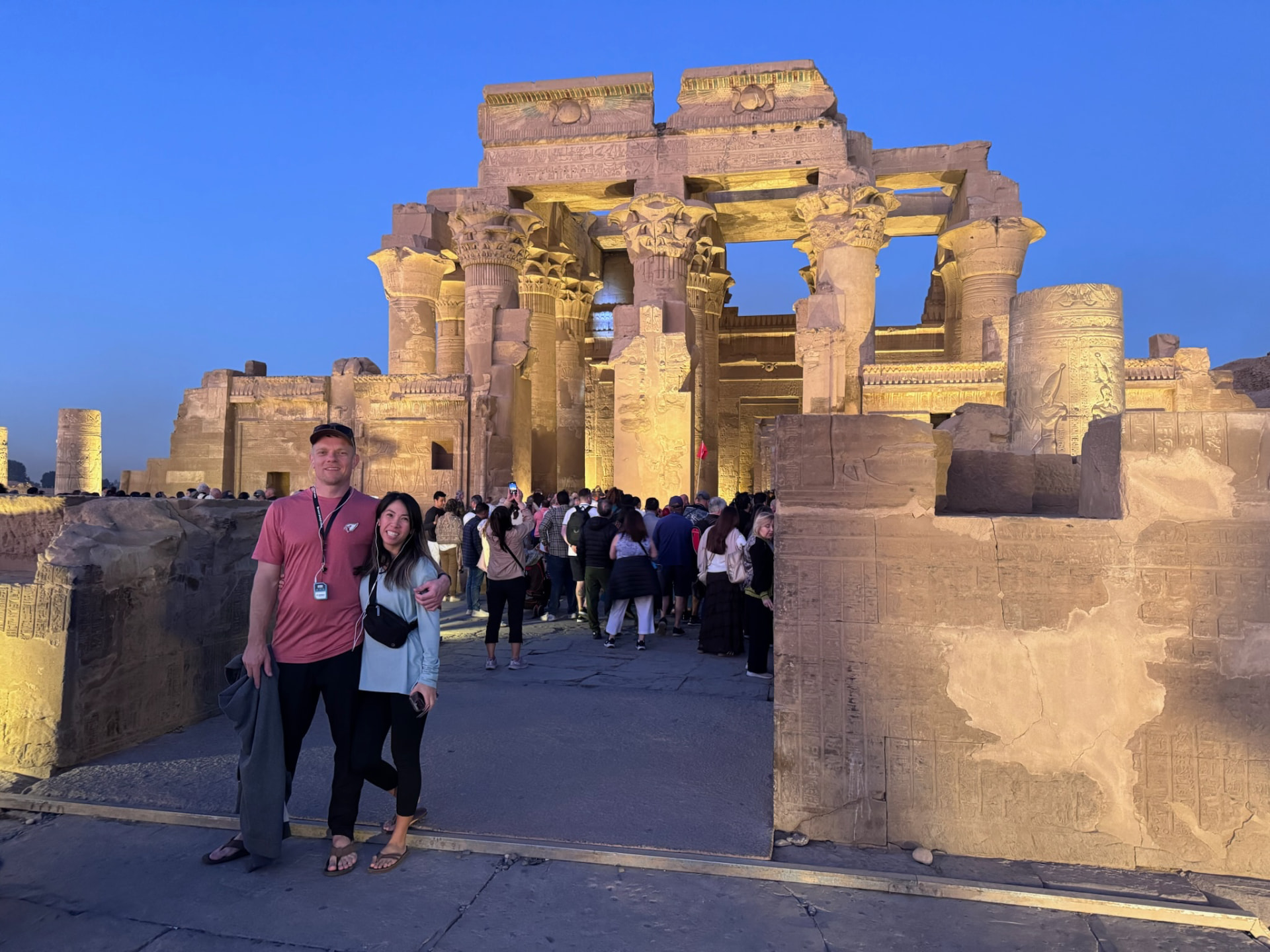
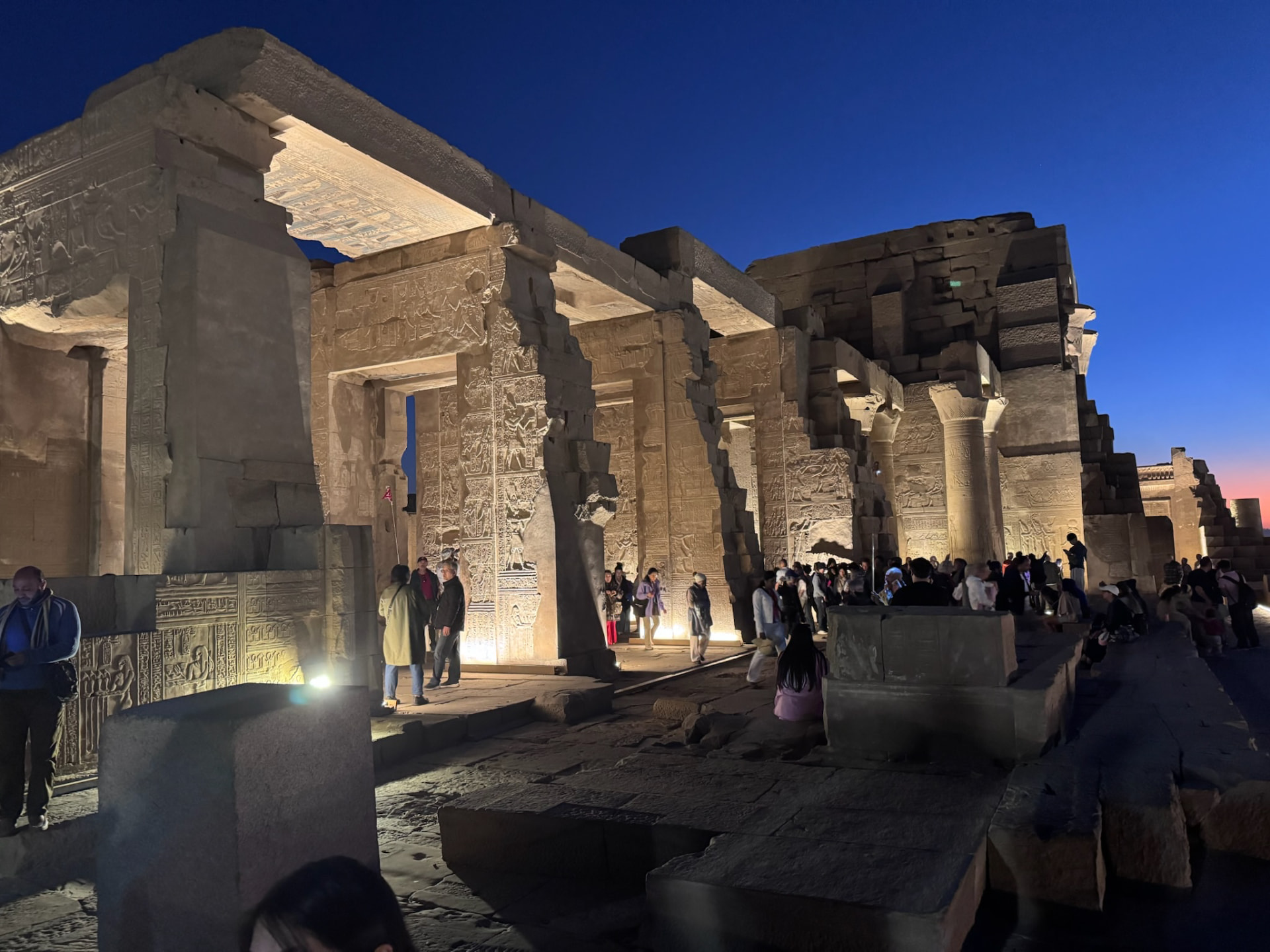
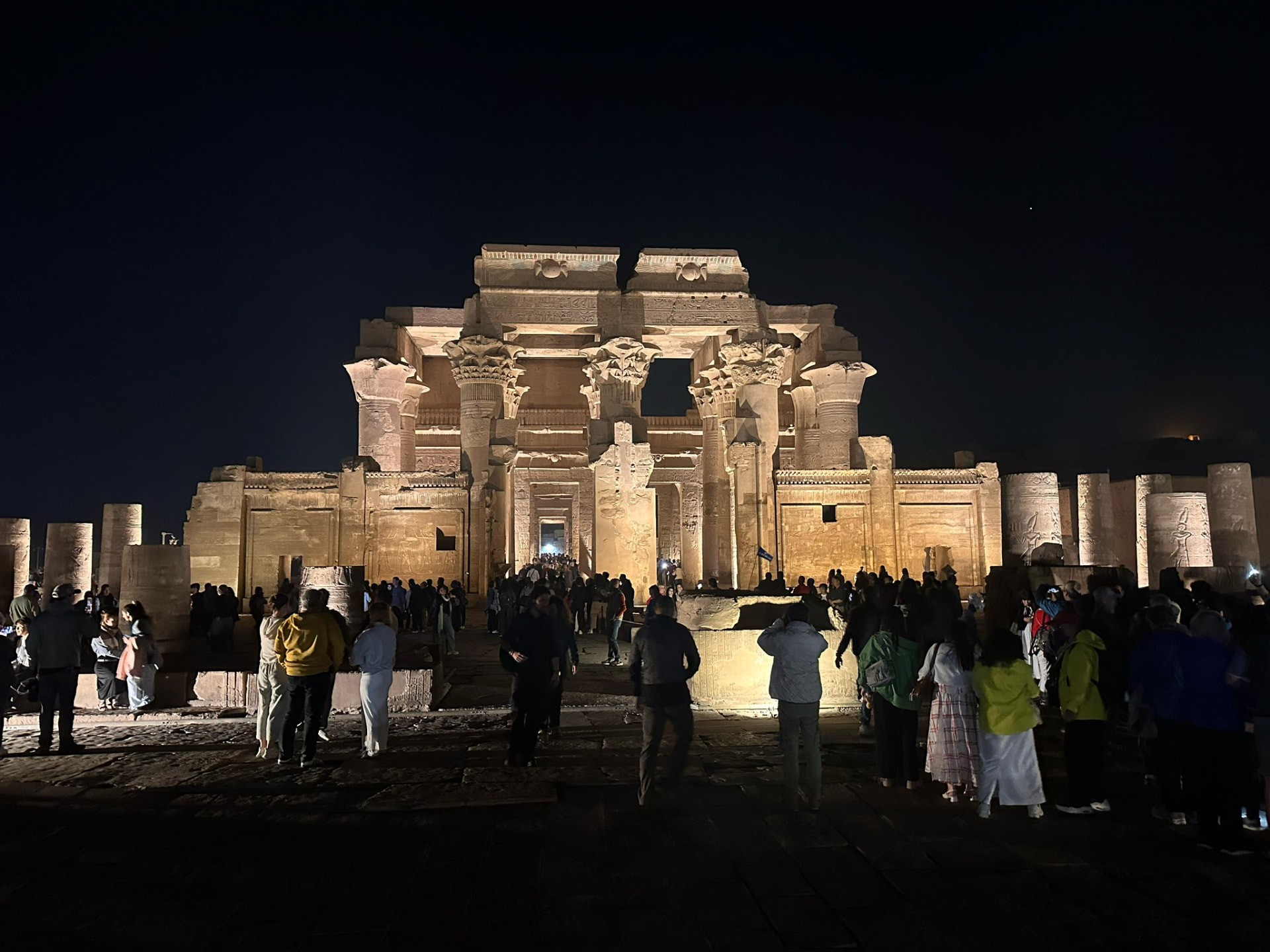
We reached Kom Ombo as the sky went deep blue and the floodlights came on. The temple is double — two of everything, one half for Sobek the crocodile, one for Horus the falcon.
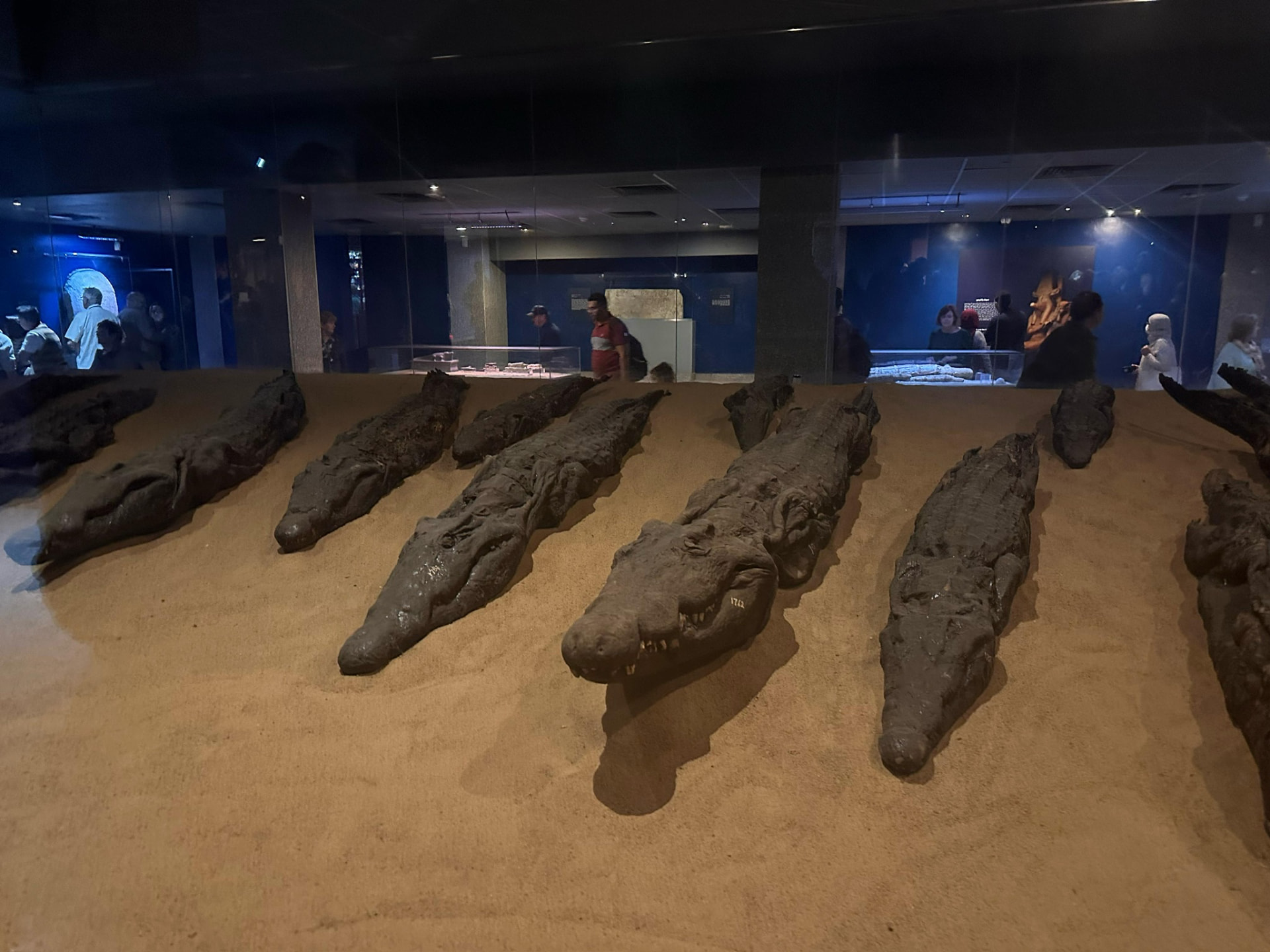
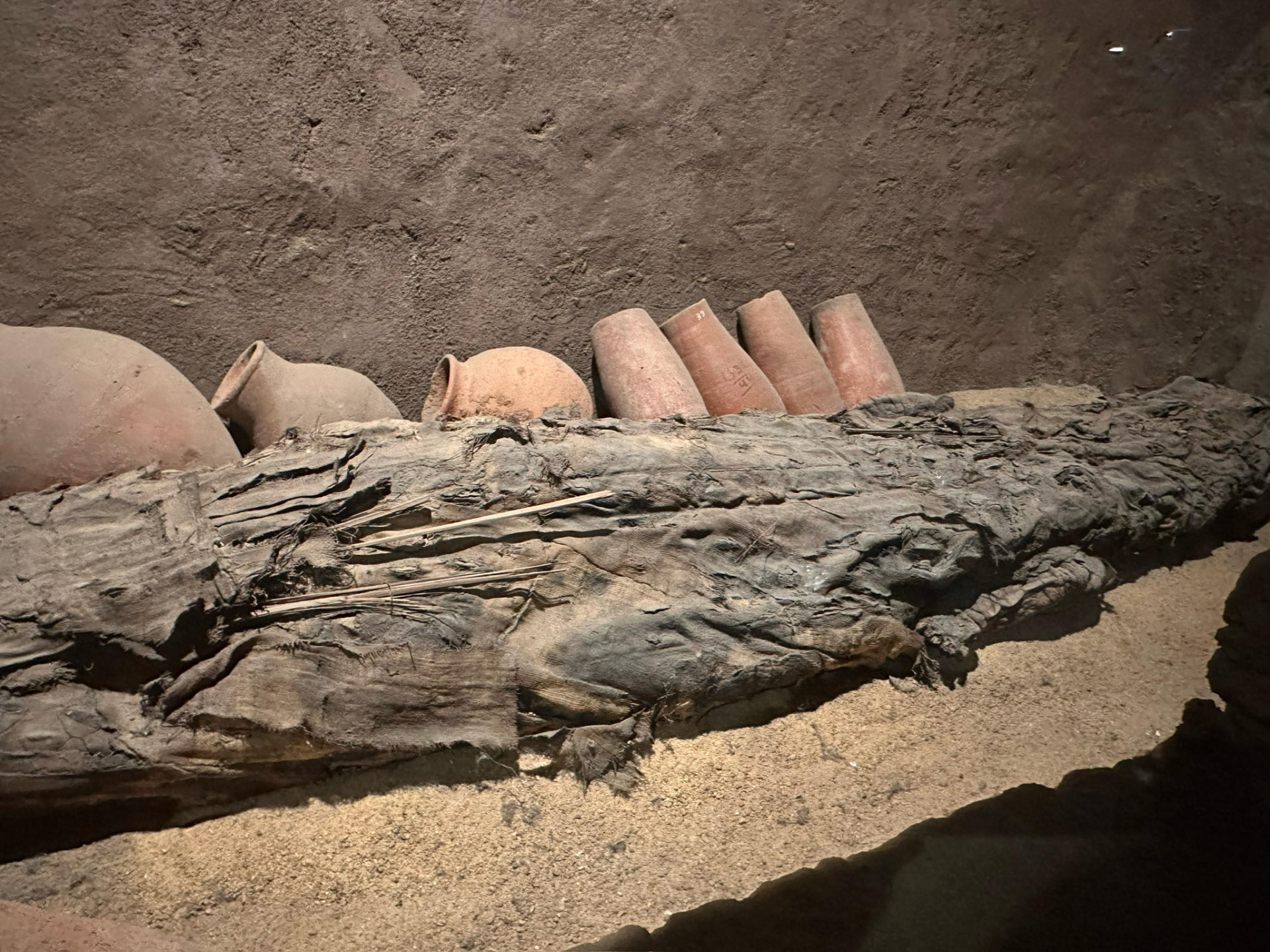
Next door, the crocodile museum keeps the rest of the story: mummified crocodiles laid out in rows on sand, alongside the jars they were buried with.
Chapter 06 · Edfu
Edfu, after sunset
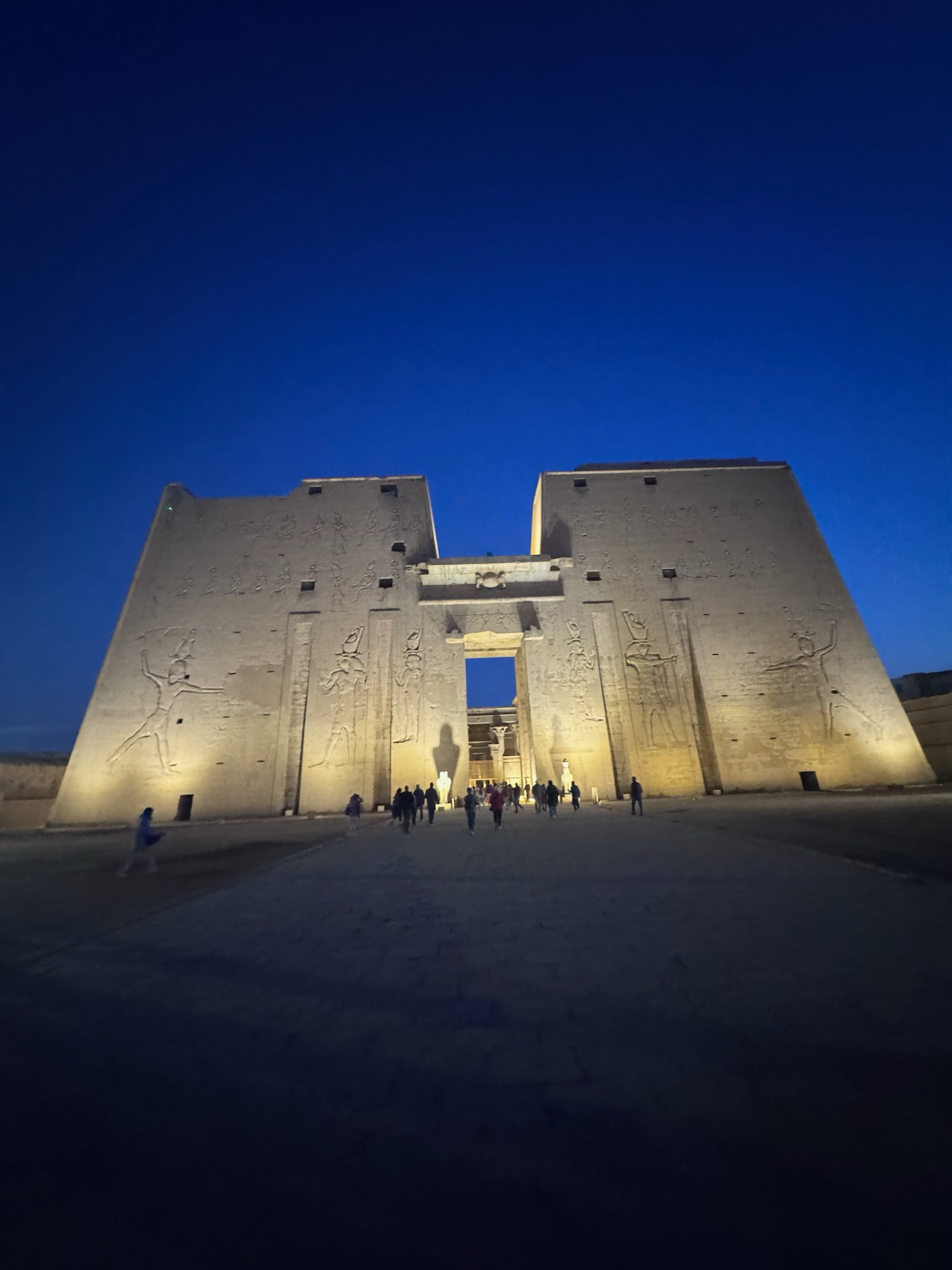
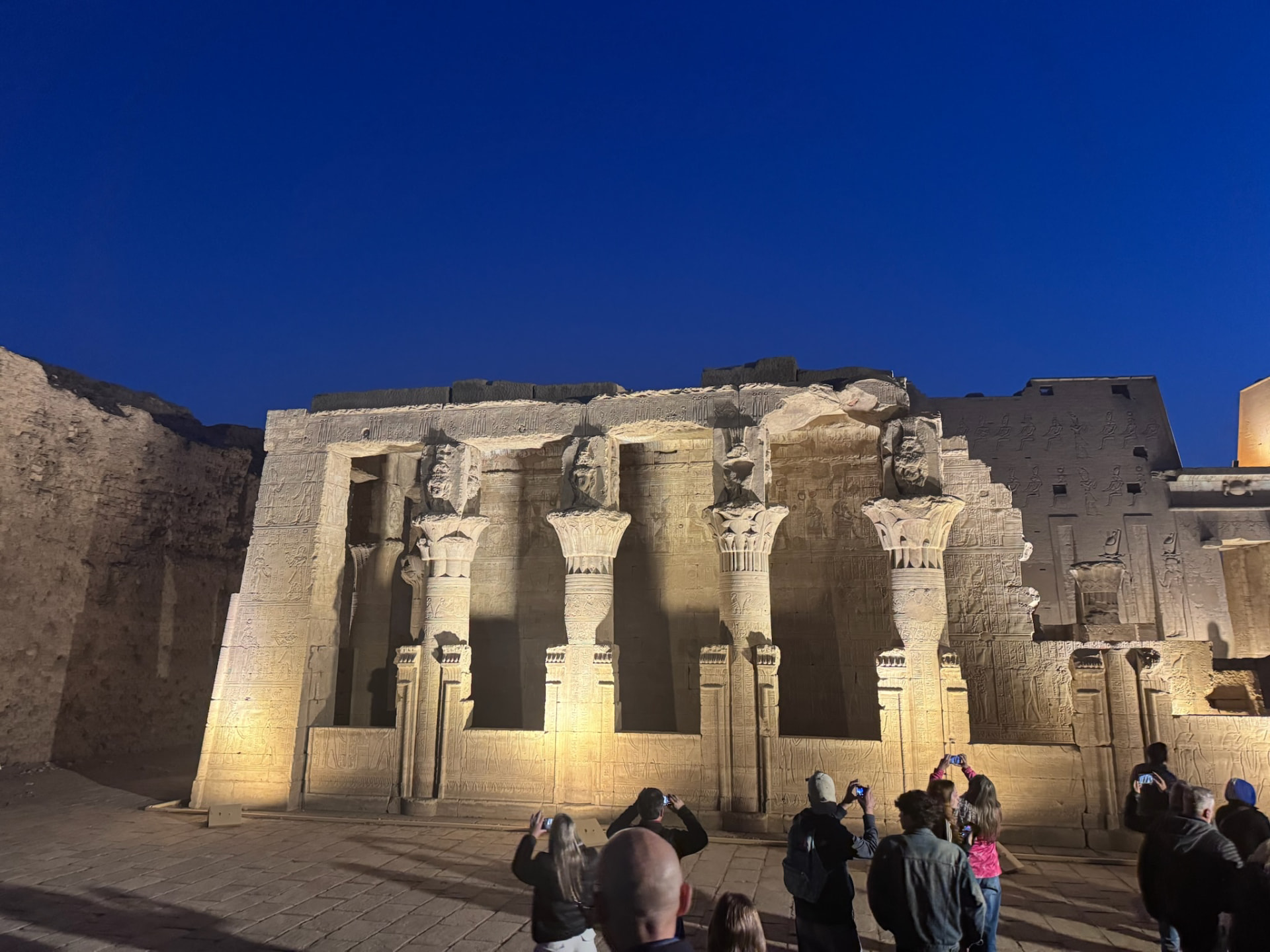
Edfu is the best-kept of them all, and it is best at night, when the floodlights pick the carving out of the flat stone.
The great pylon rises out of the dark with Horus on the lintel and a thin doorway of light running all the way through to the sanctuary.
Chapter 07 · Esna, and the Nile
The locks, and the light going
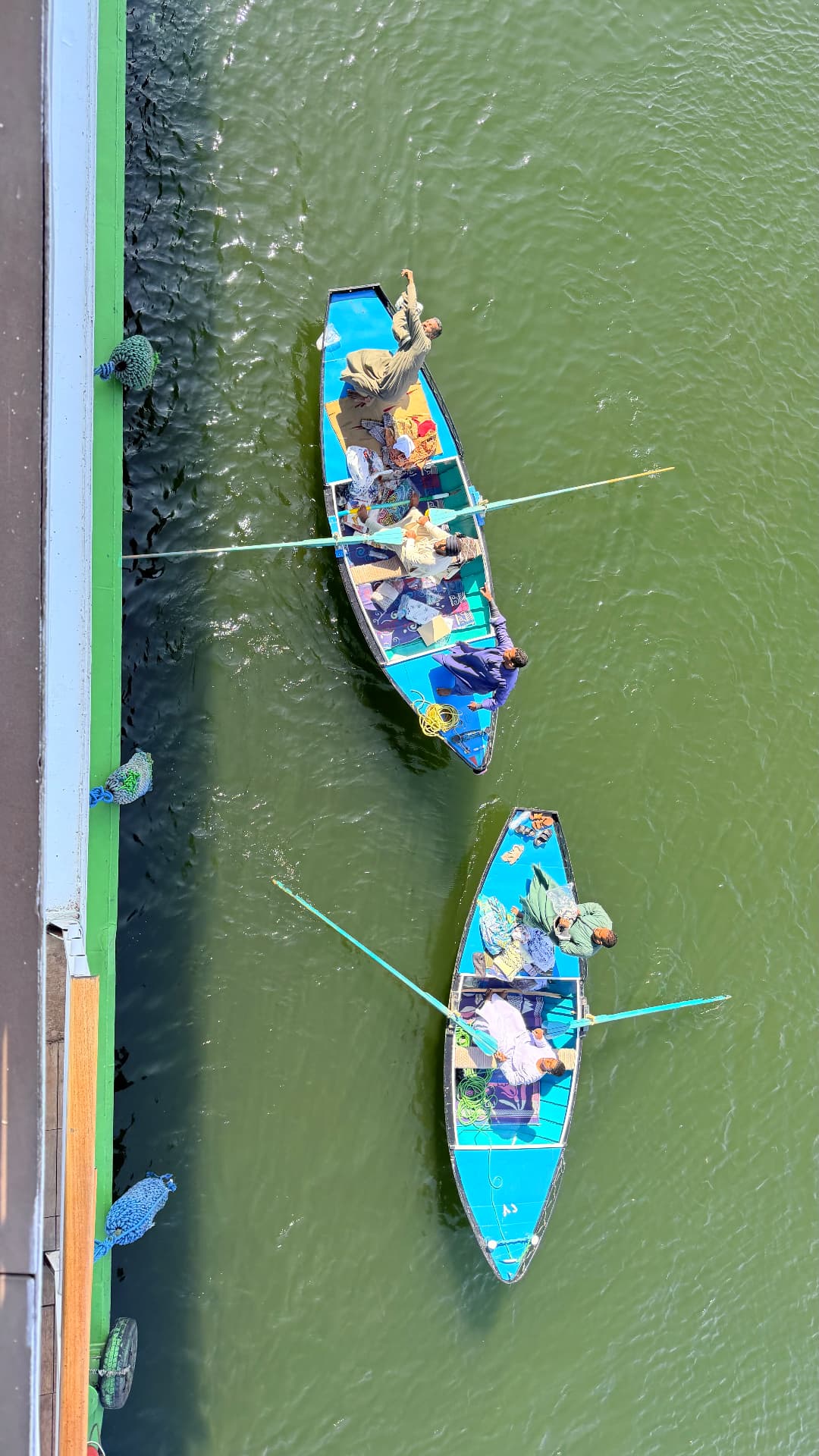
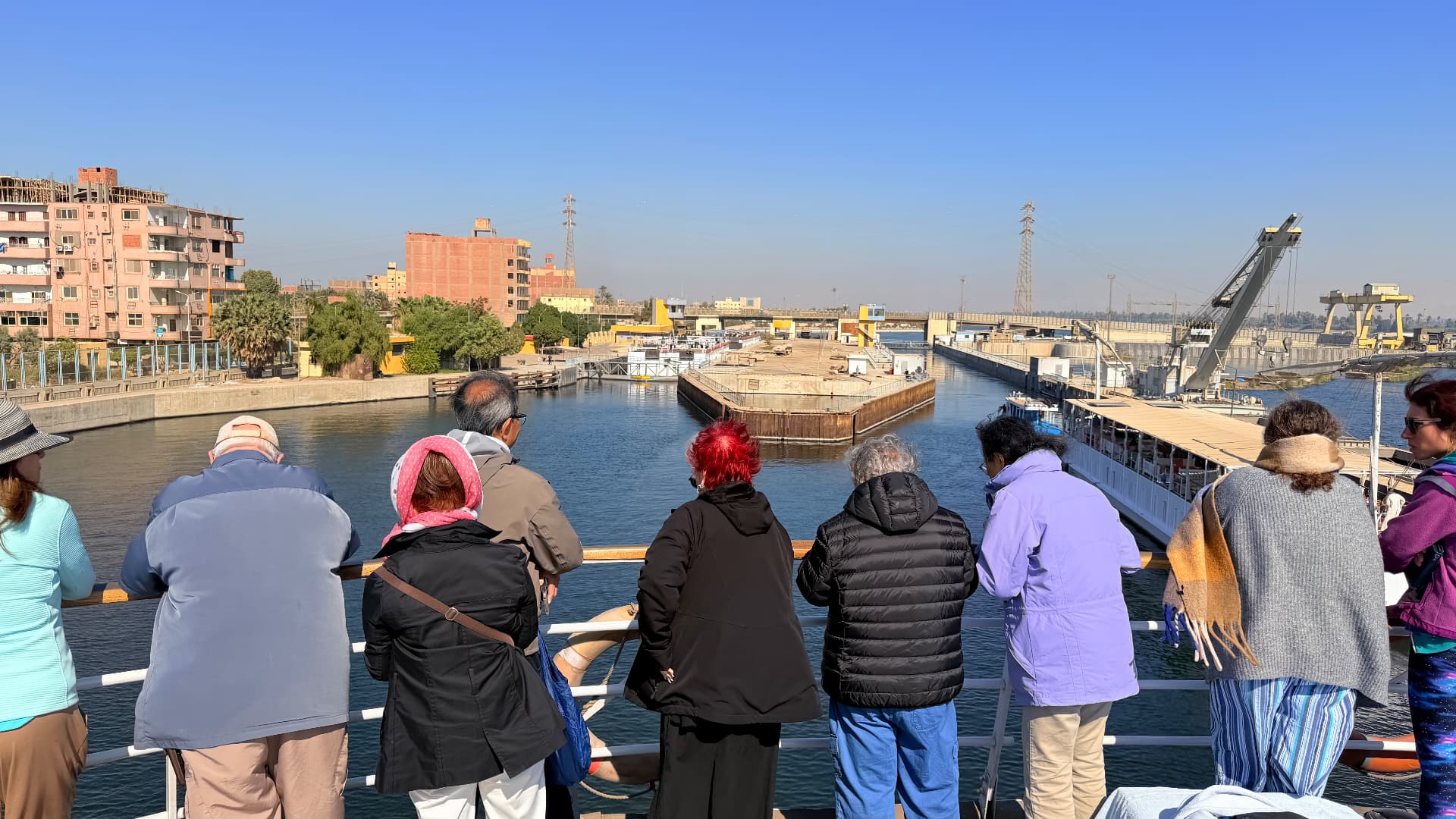
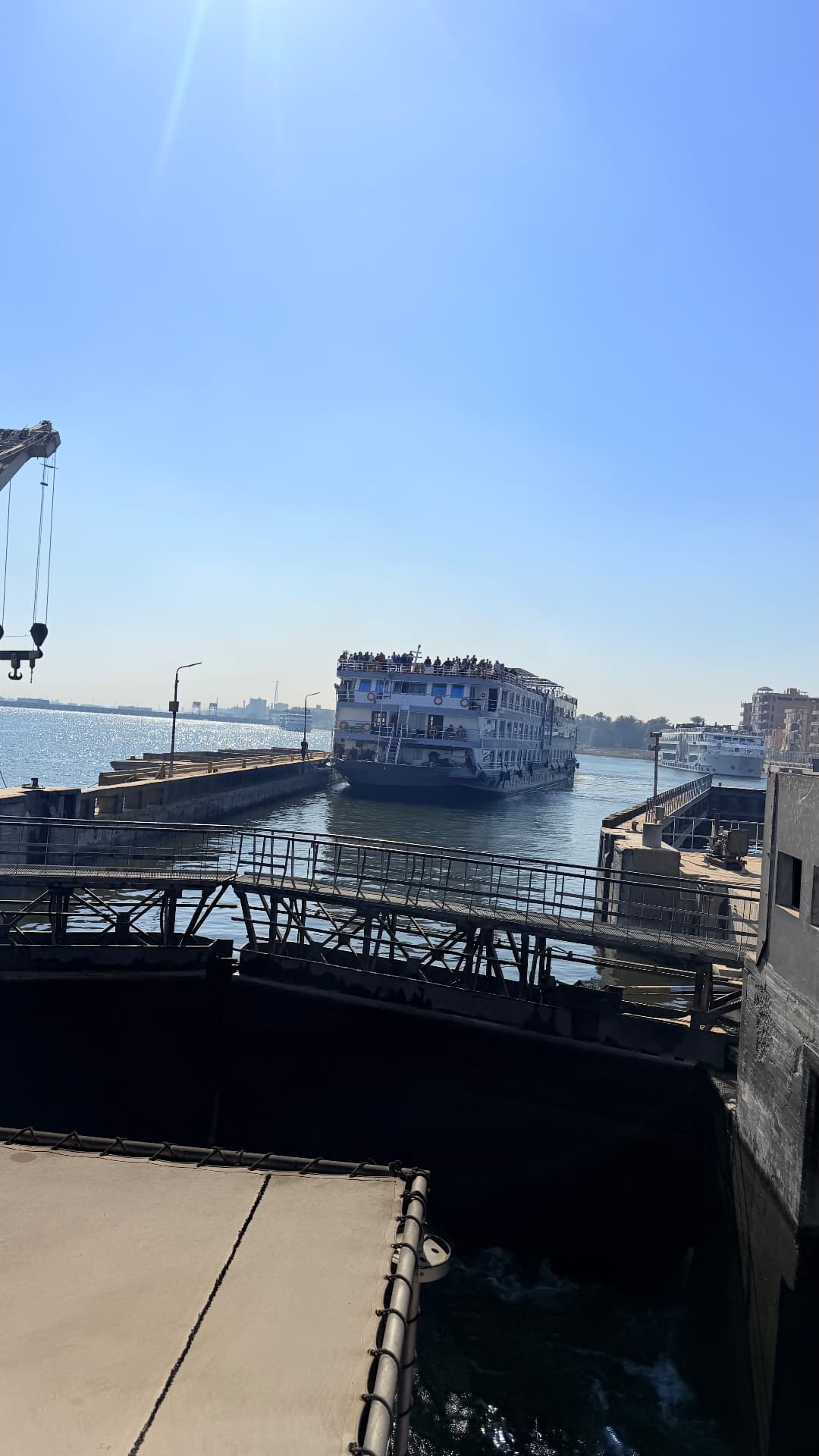
At Esna the boats queue for the locks, and while you wait, small rowing boats come alongside piled with blankets and scarves — the traders throw their goods up onto the deck and you throw back what you don't want.
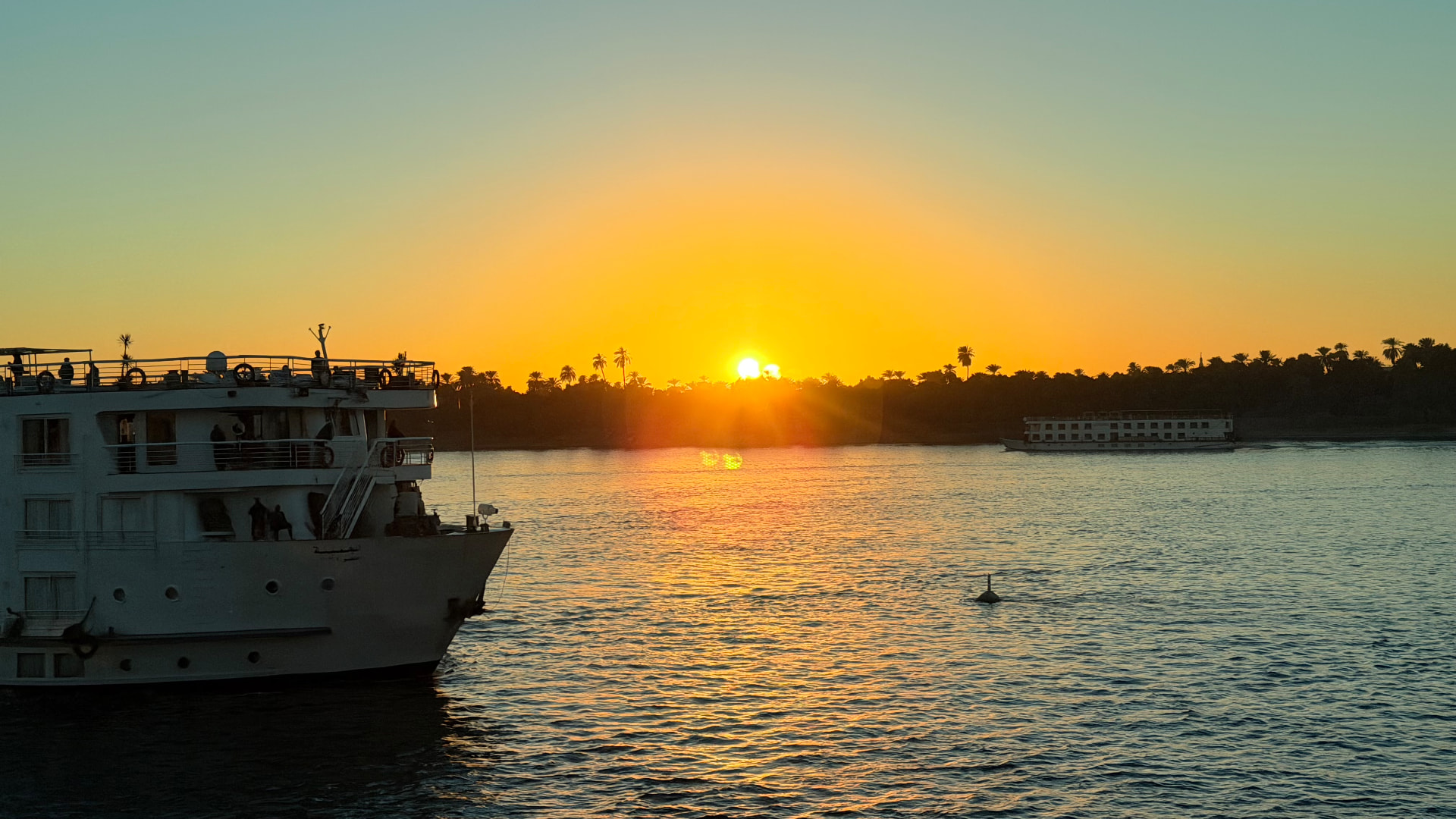
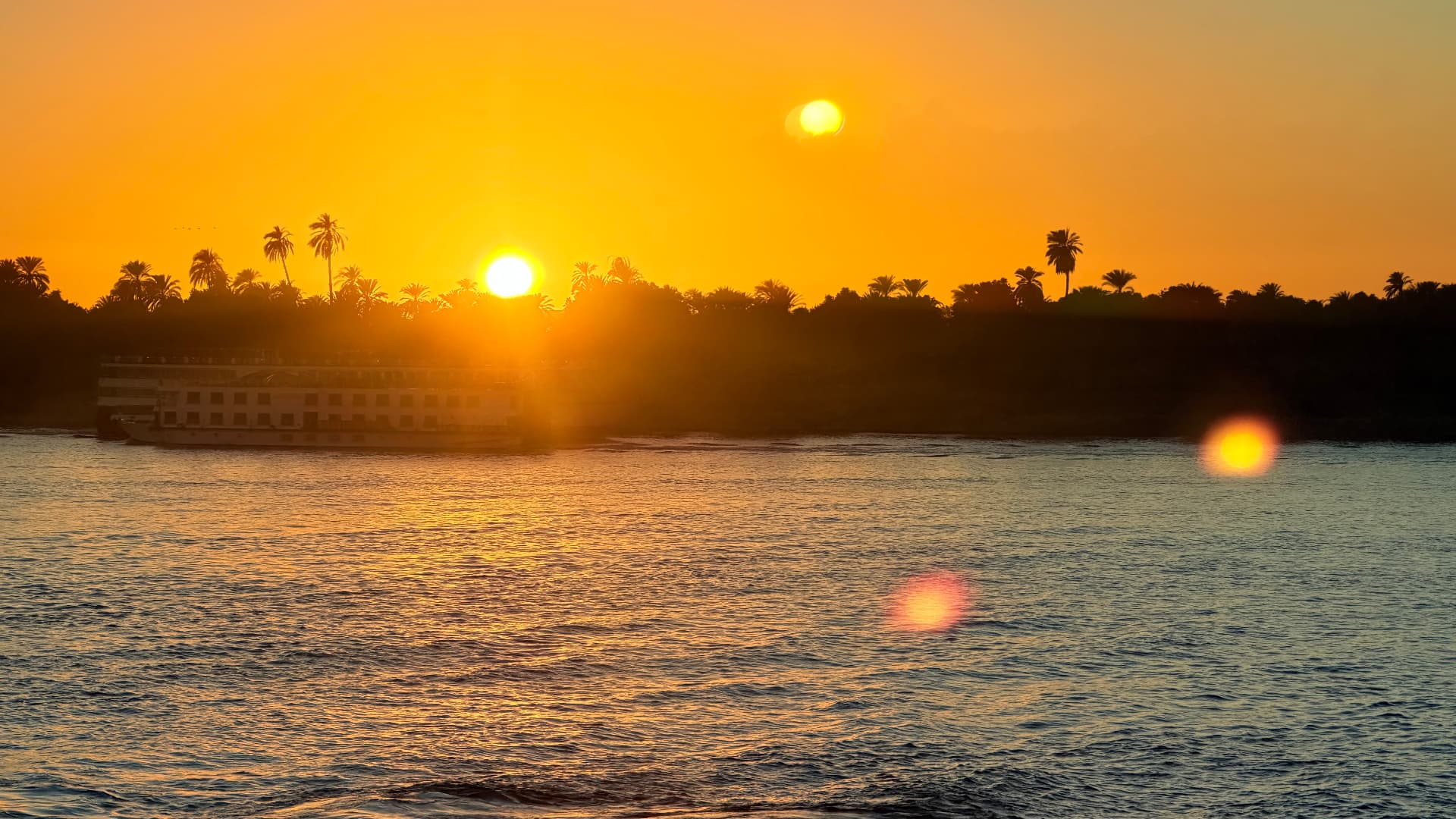
Then the gates open, the ship slides through, and the evening does the rest: palms in silhouette, the sun dropping into the treeline, another cruise boat sliding past in the gold.
Chapter 08 · Luxor
Karnak and Luxor
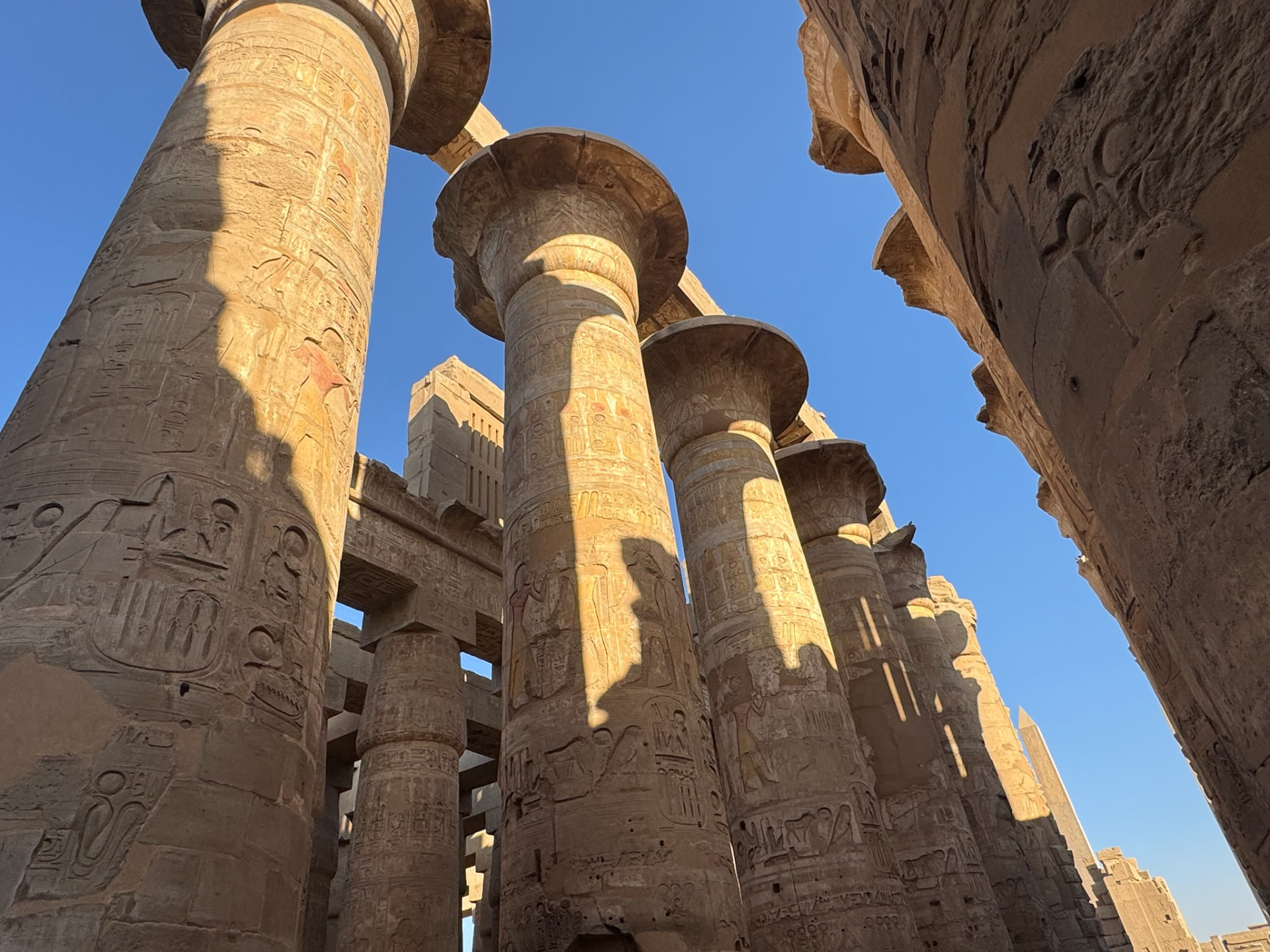
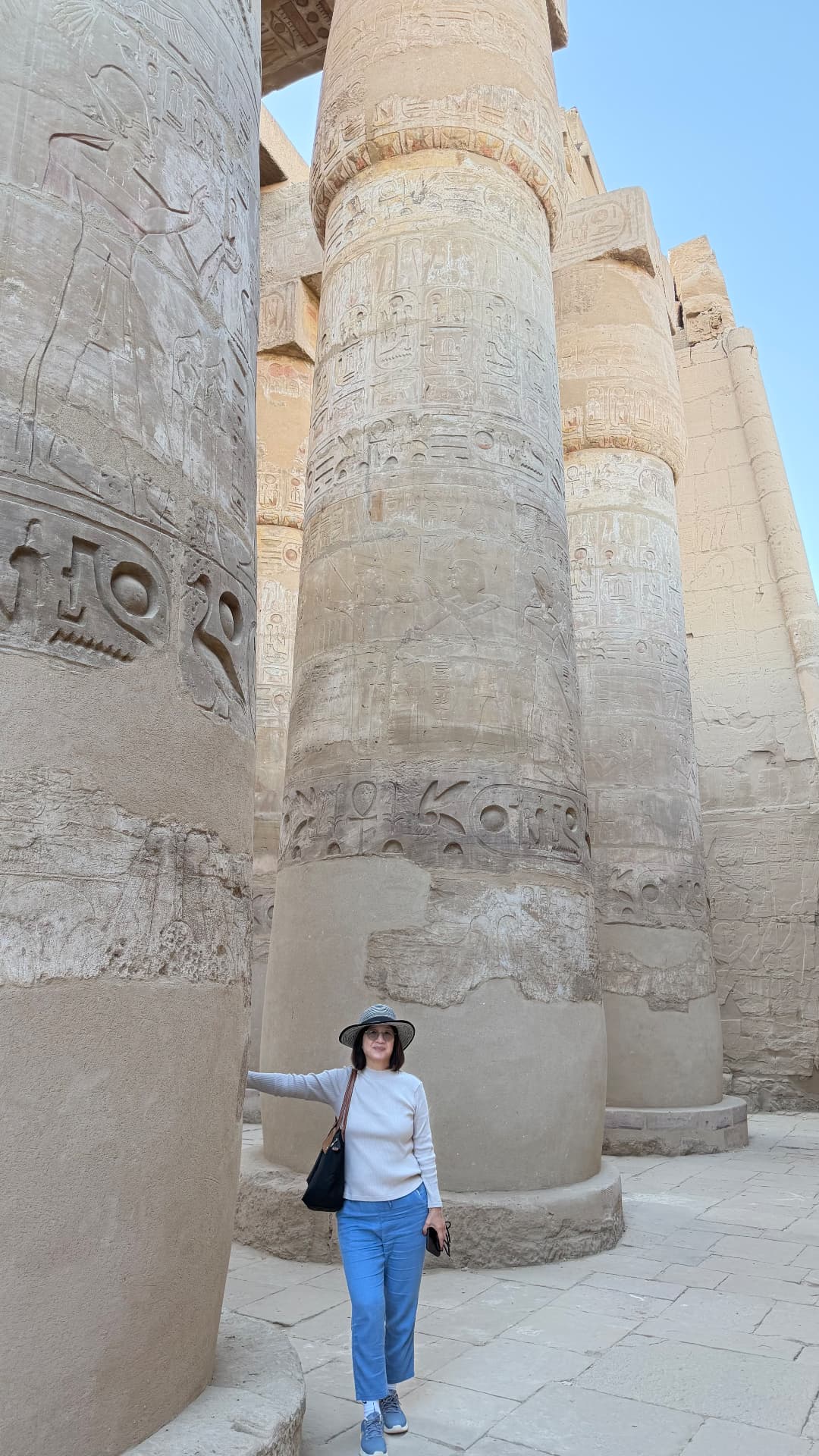
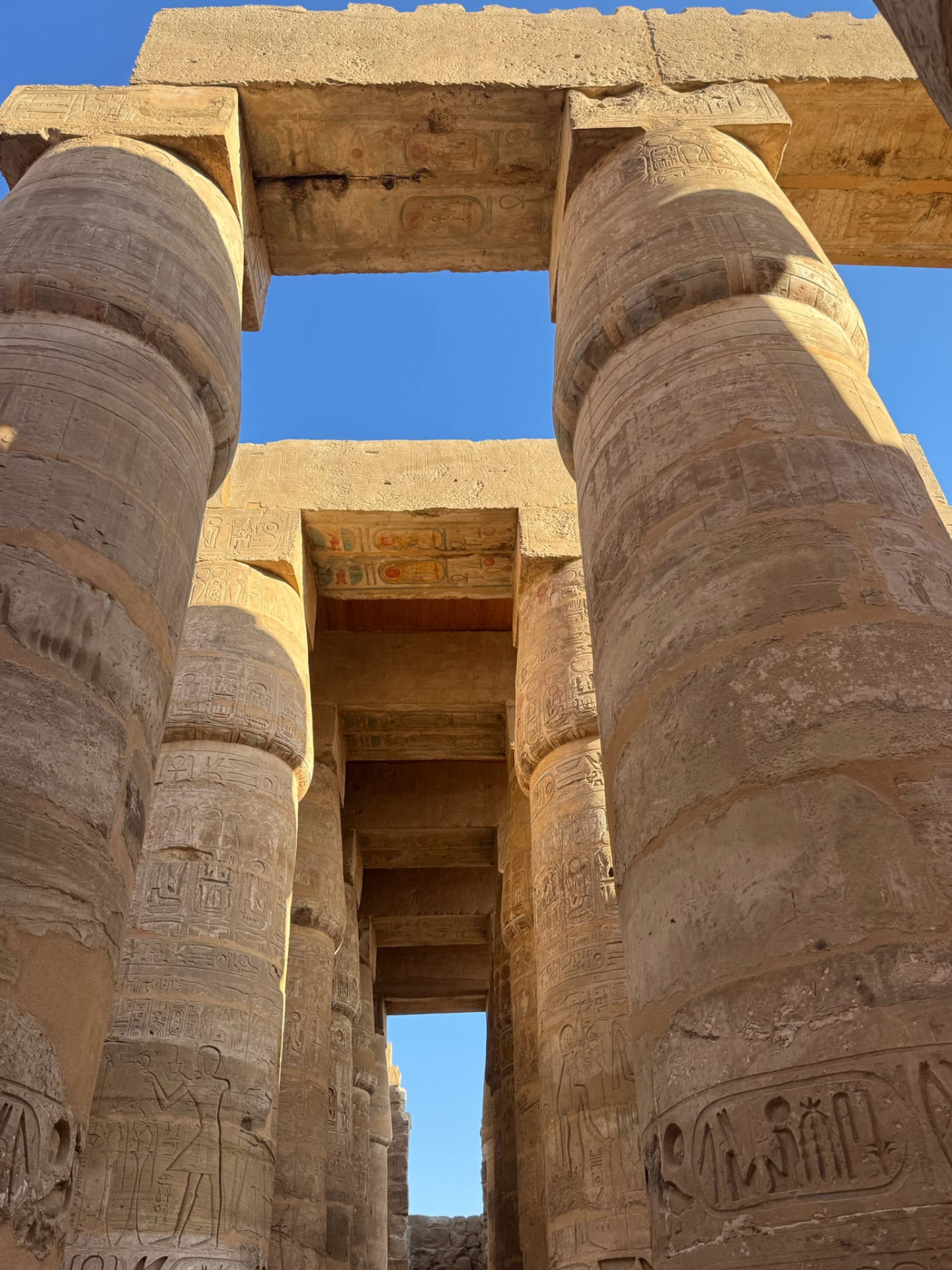
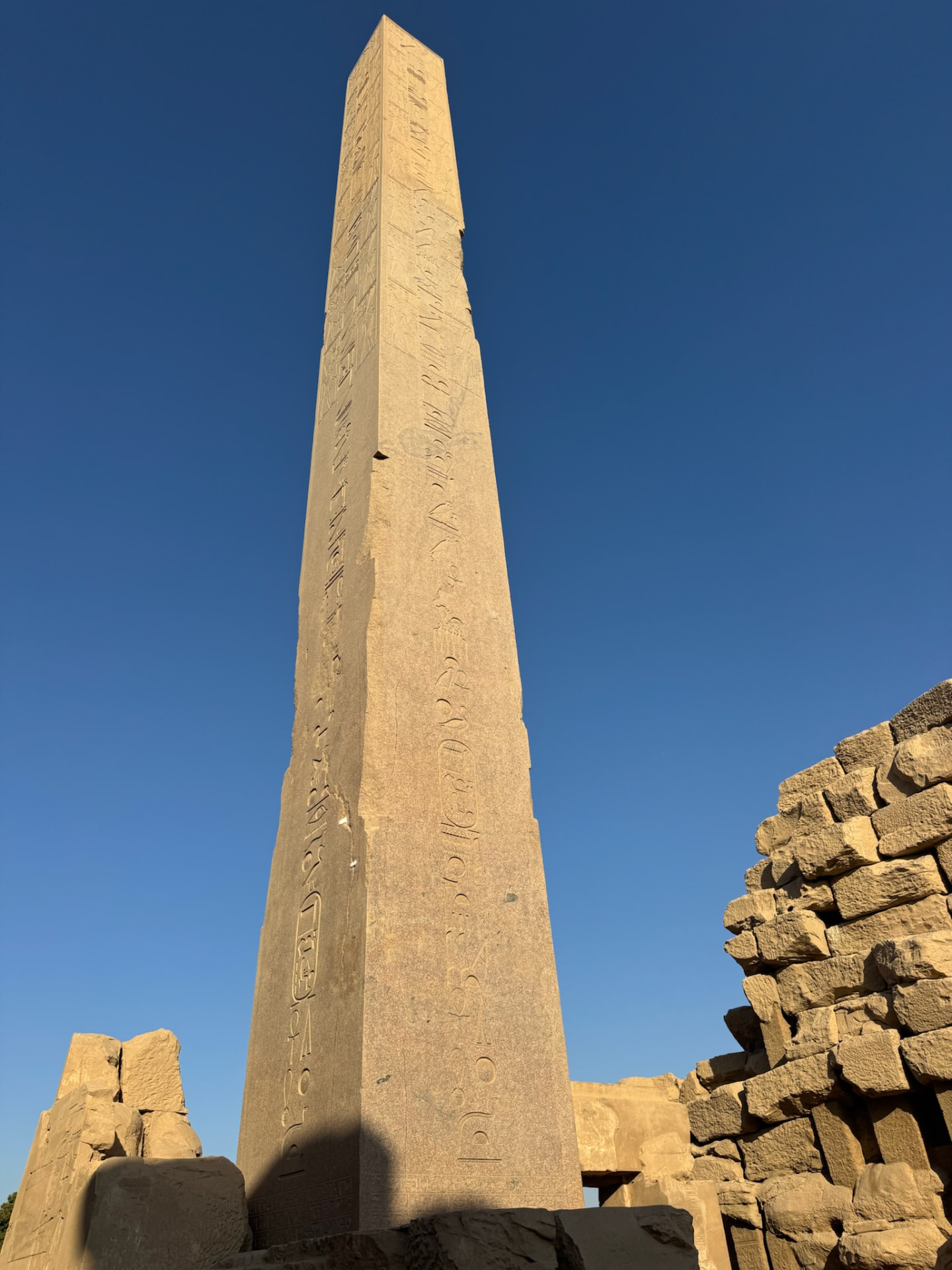
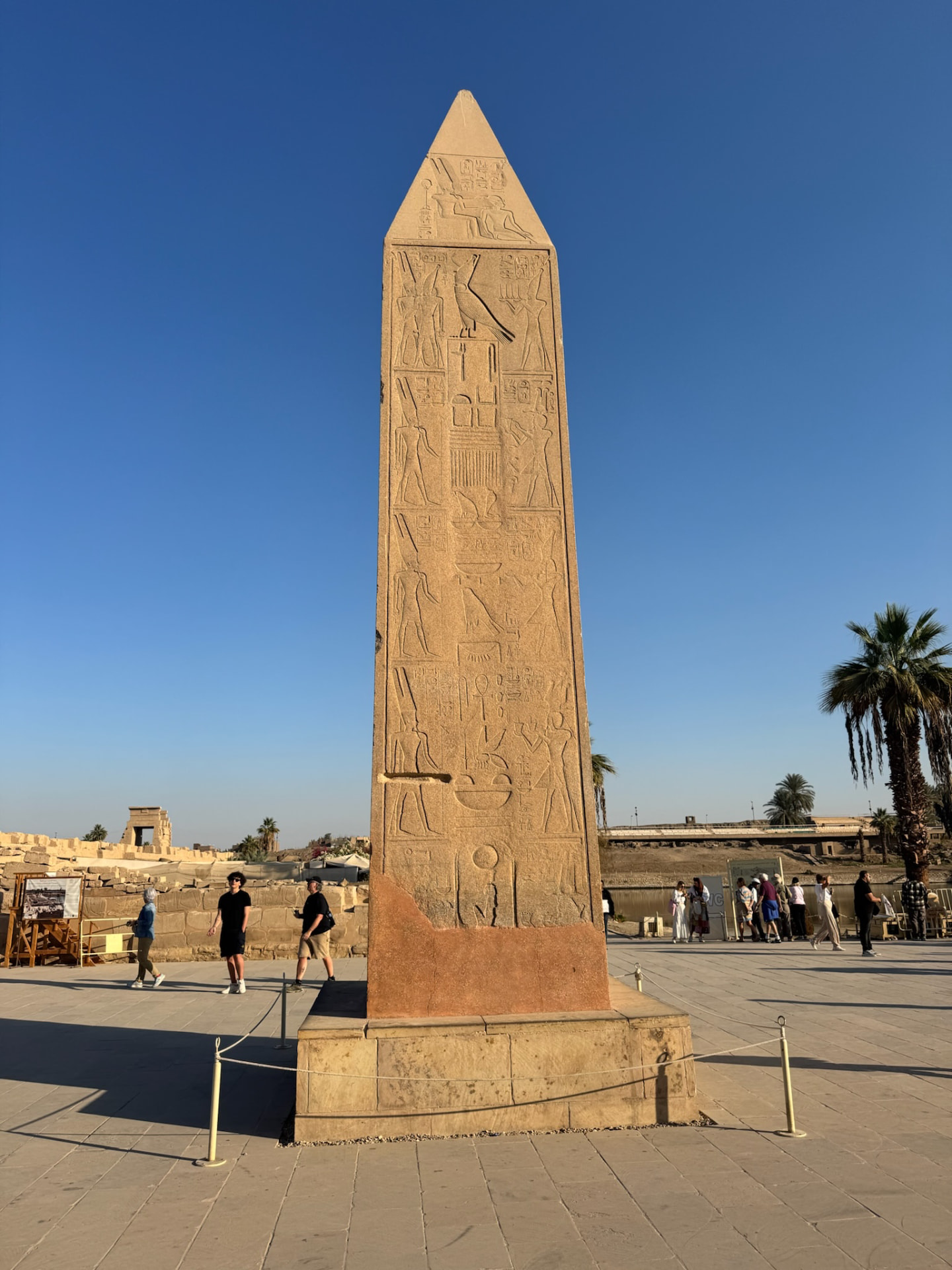
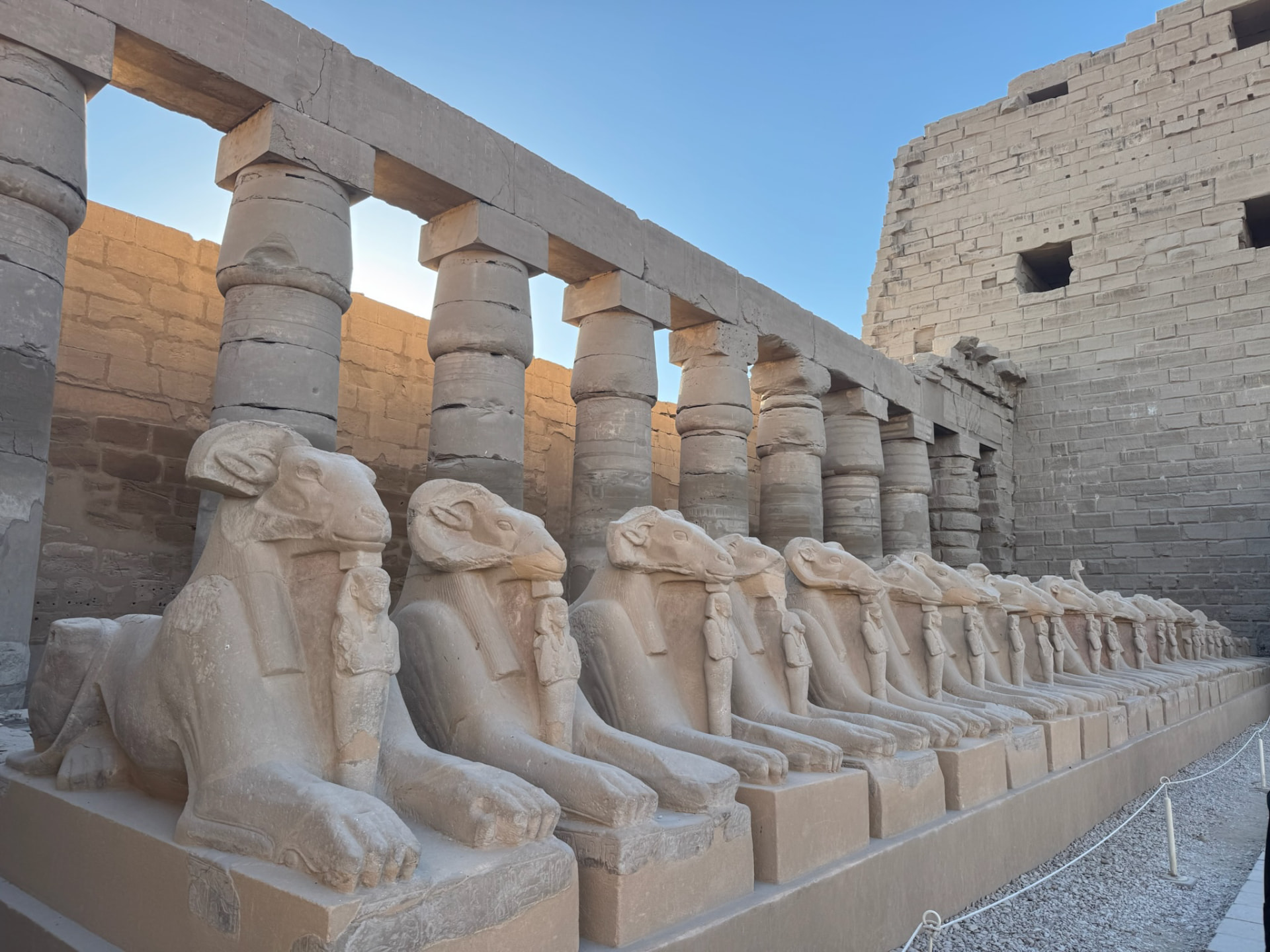
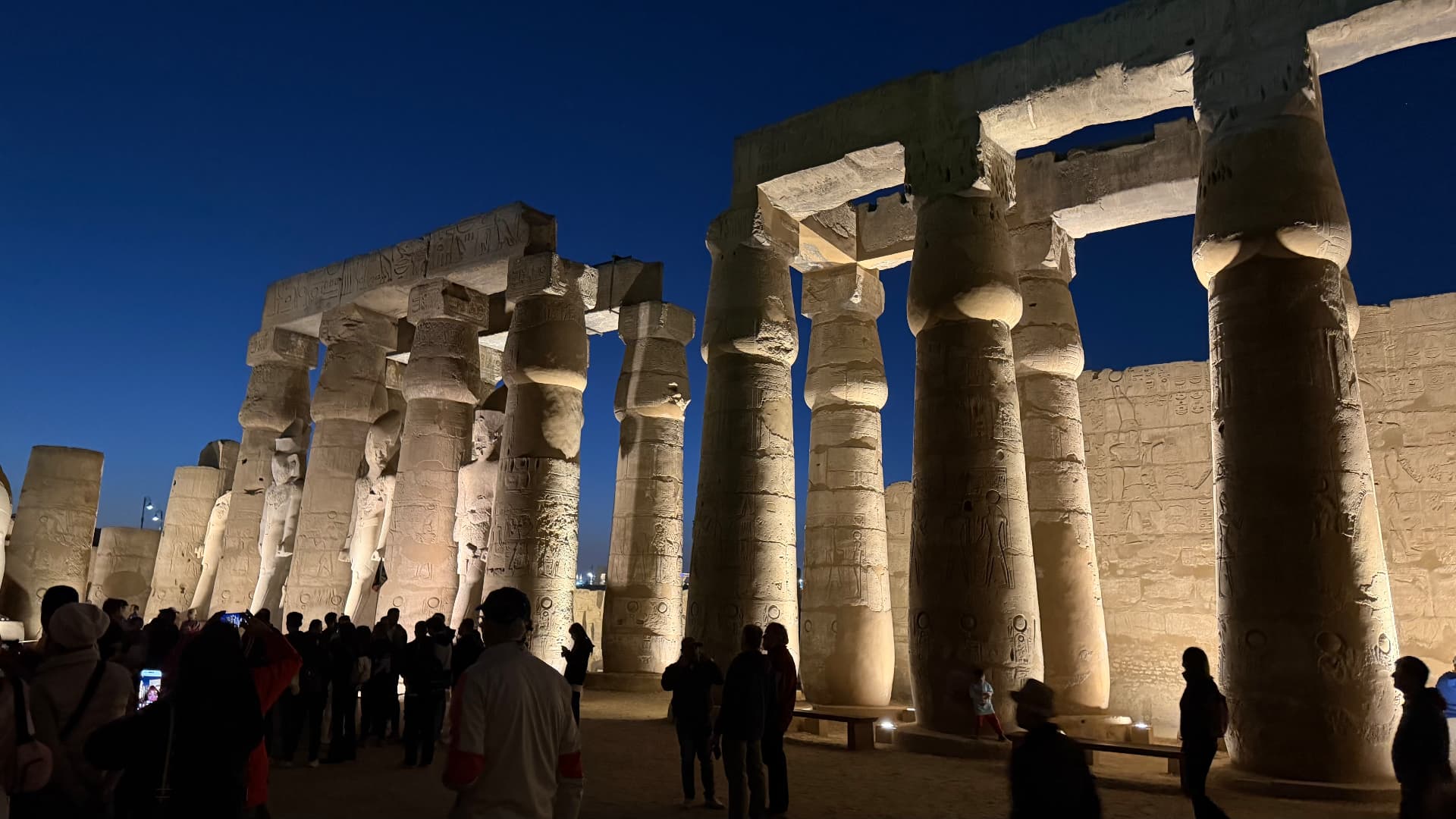
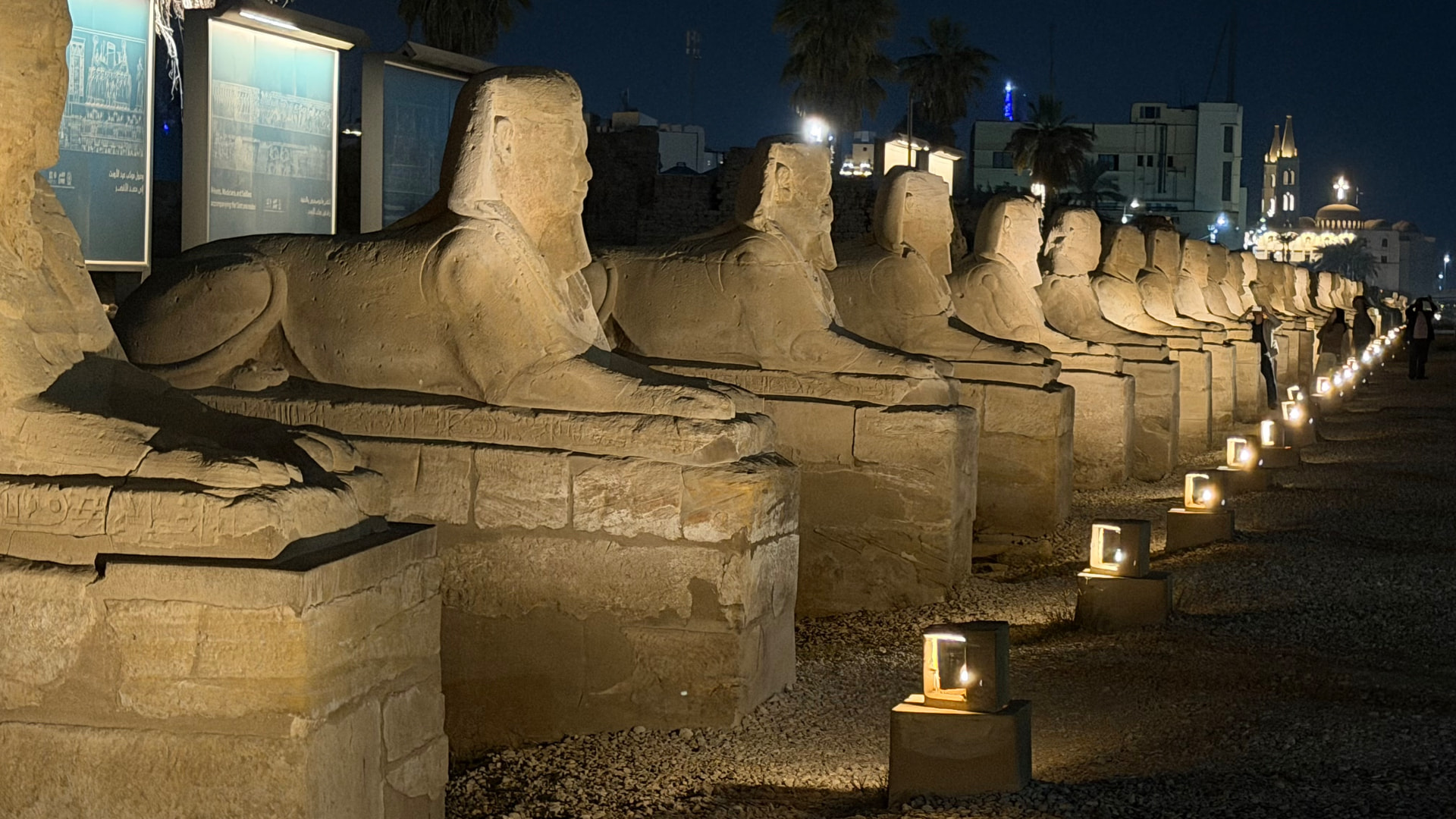
Karnak is the hall of columns — a forest of them, painted at the top, each one wide enough that you lose the person standing on the other side. Outside, an obelisk, and an avenue of ram-headed sphinxes in a long patient row.
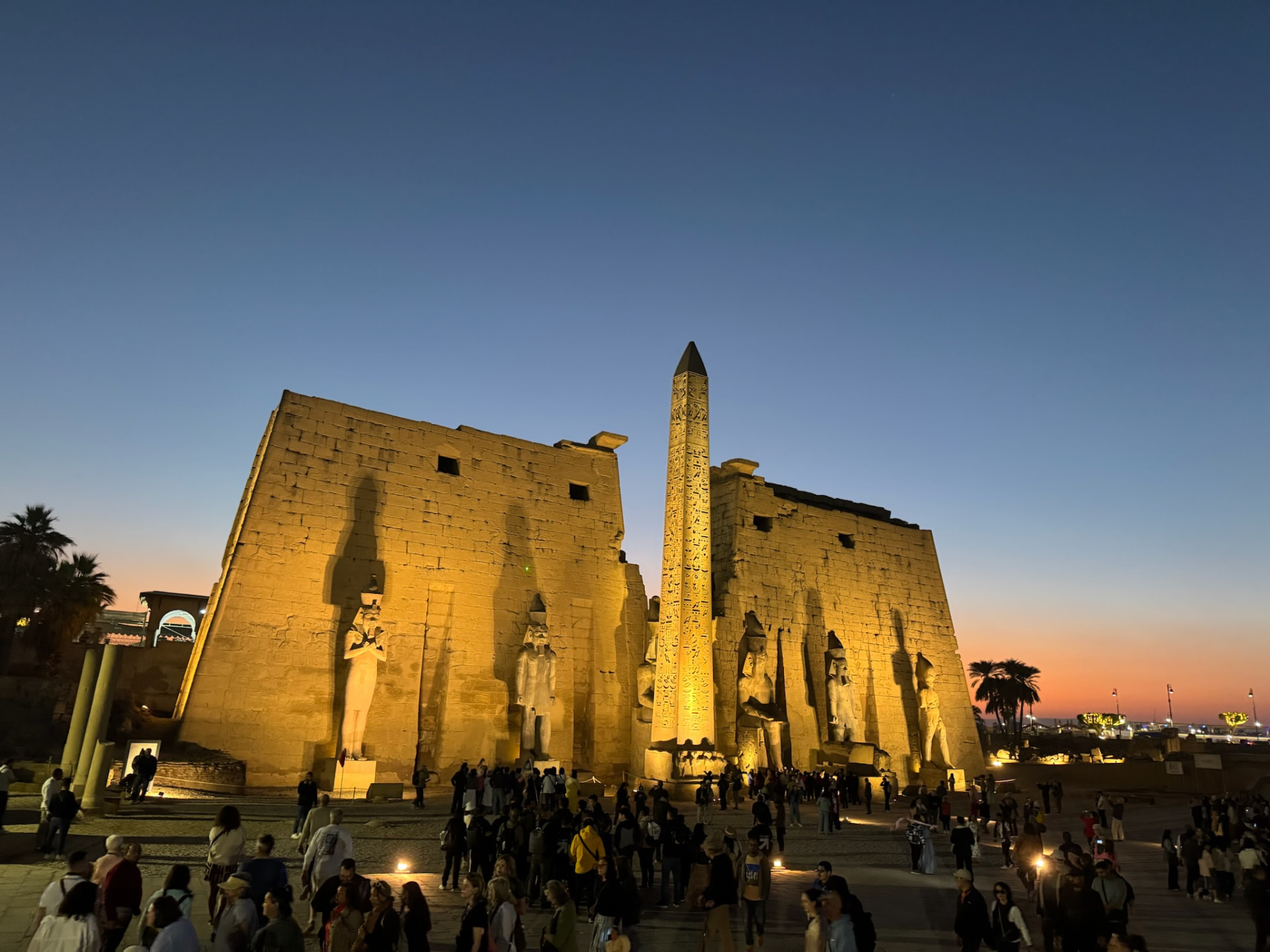
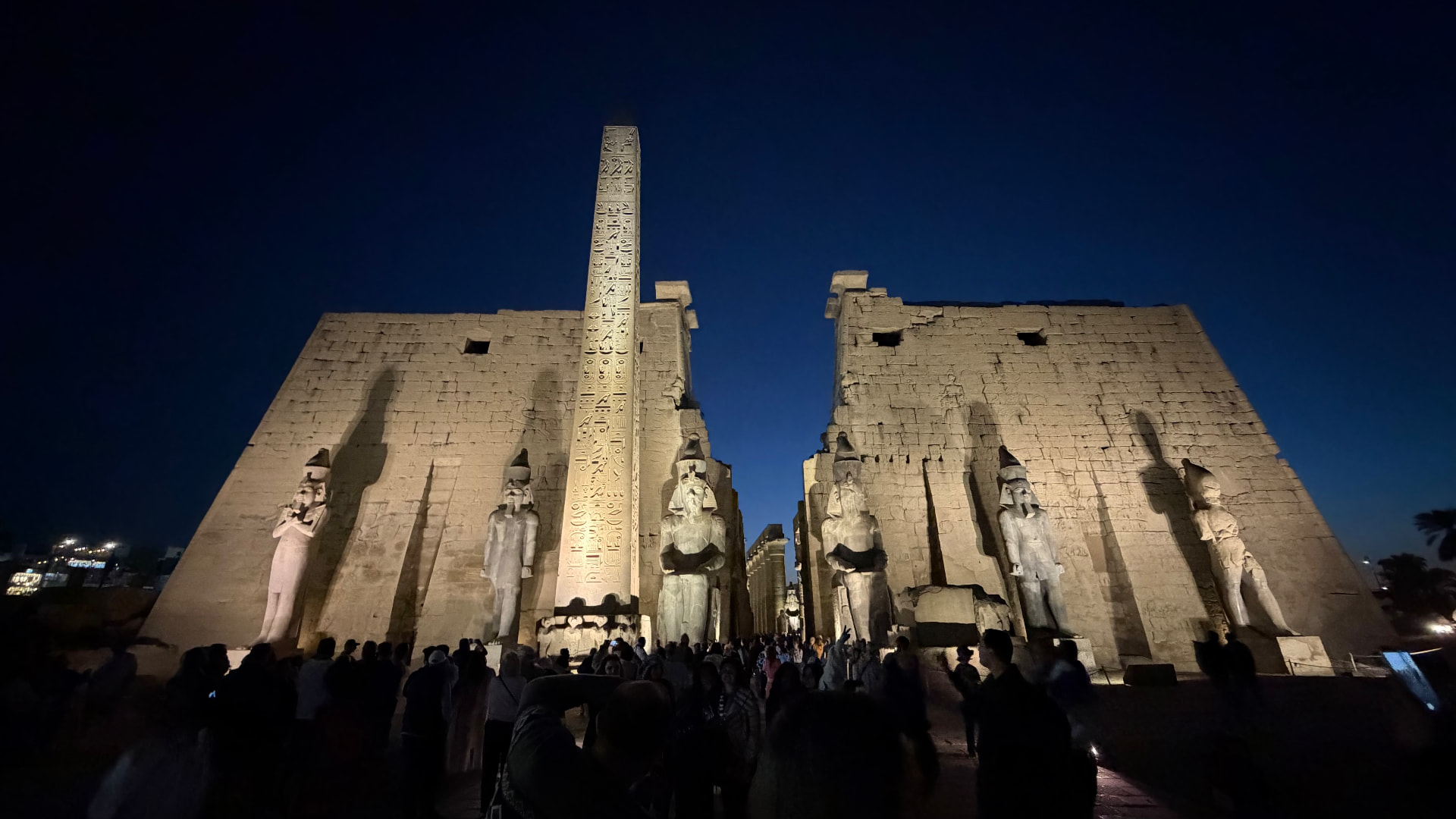
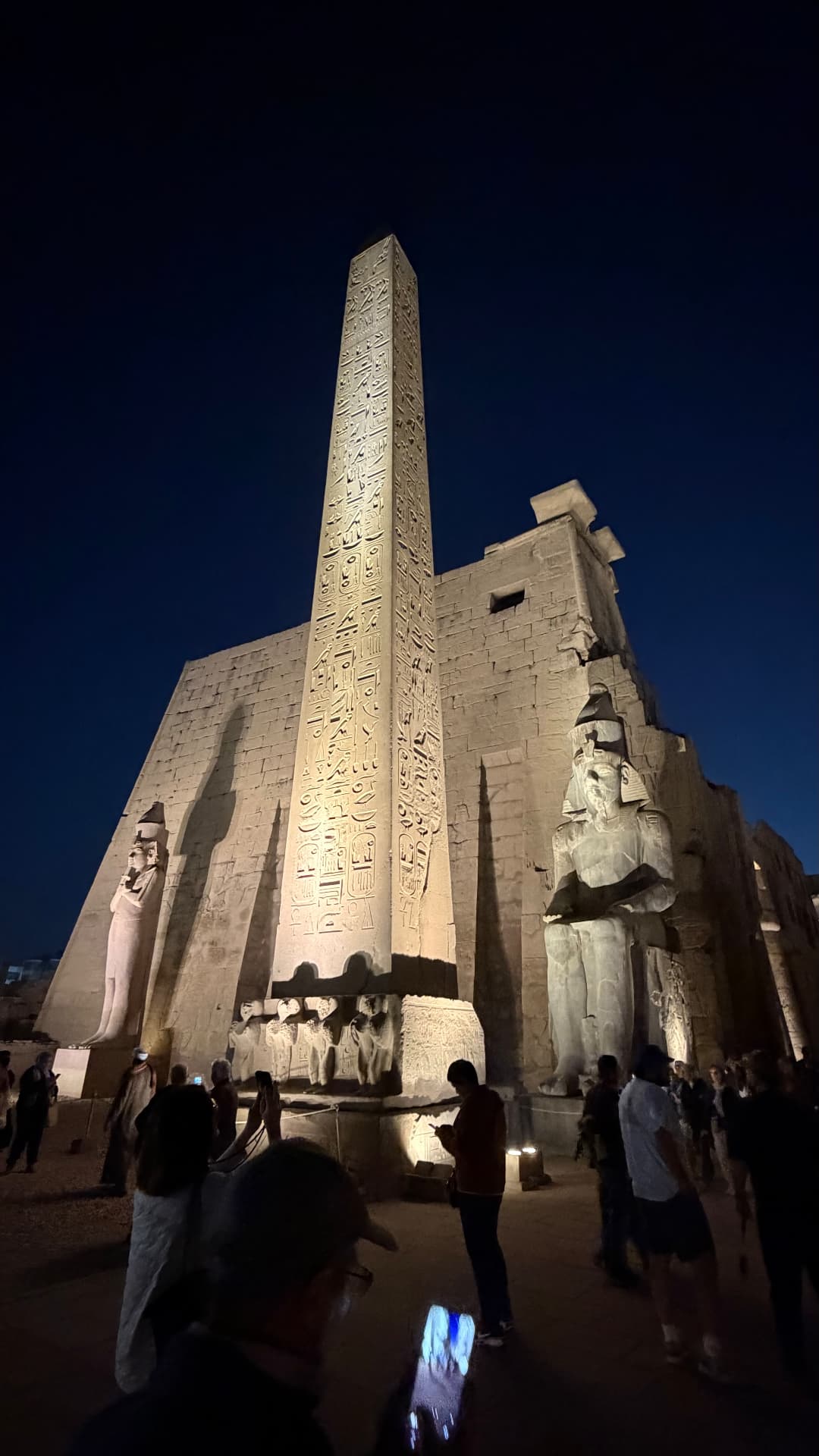
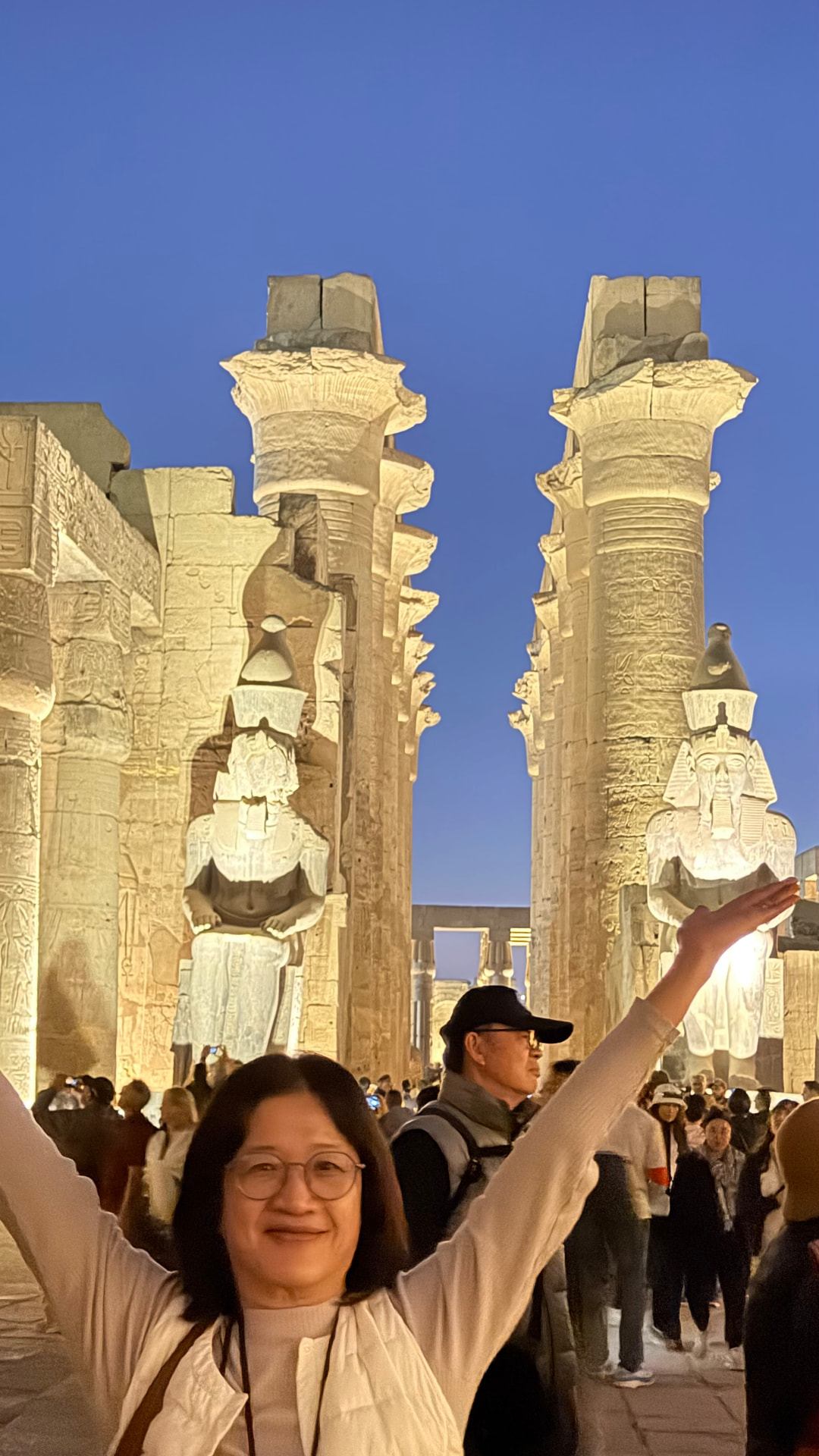
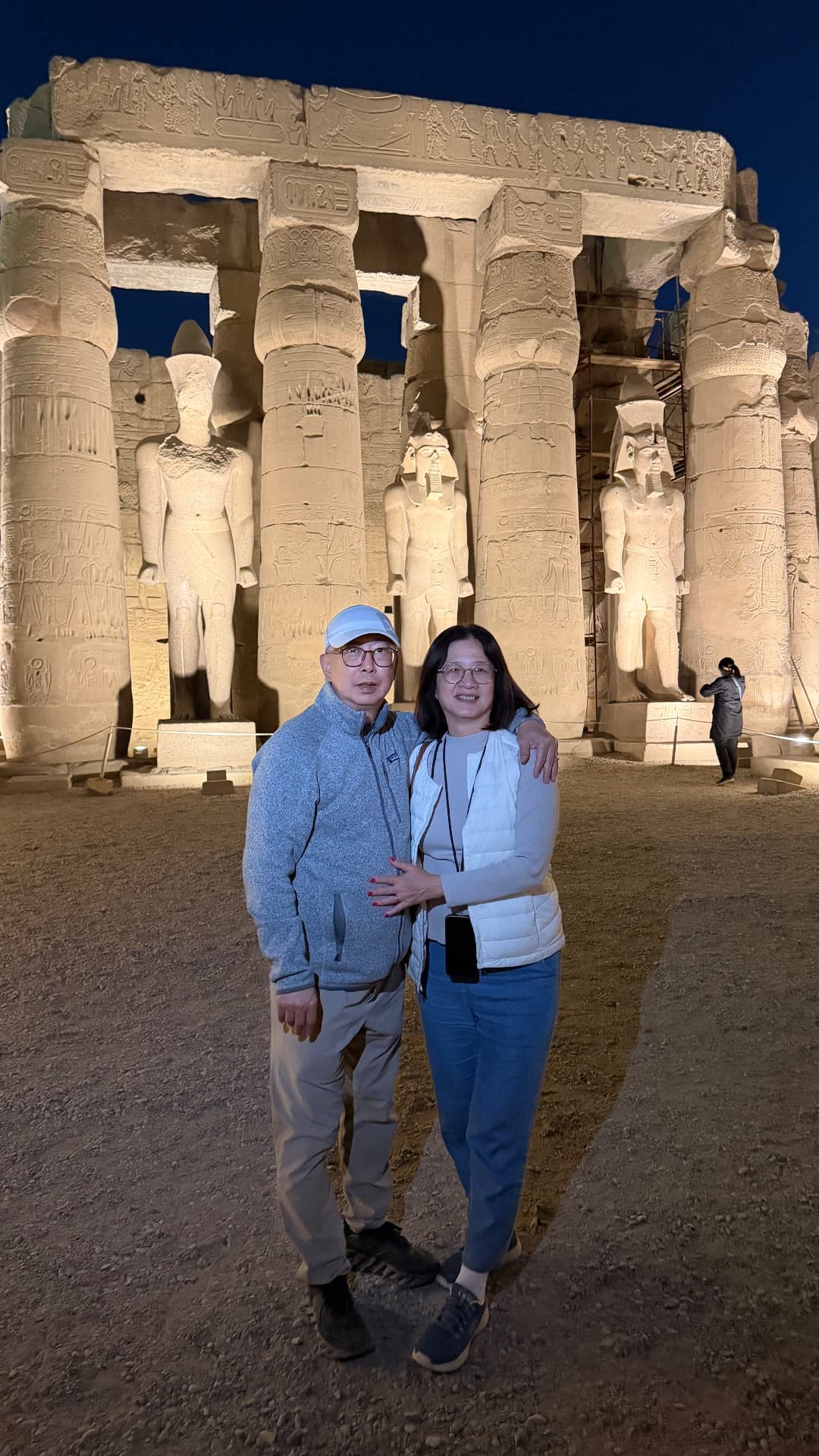
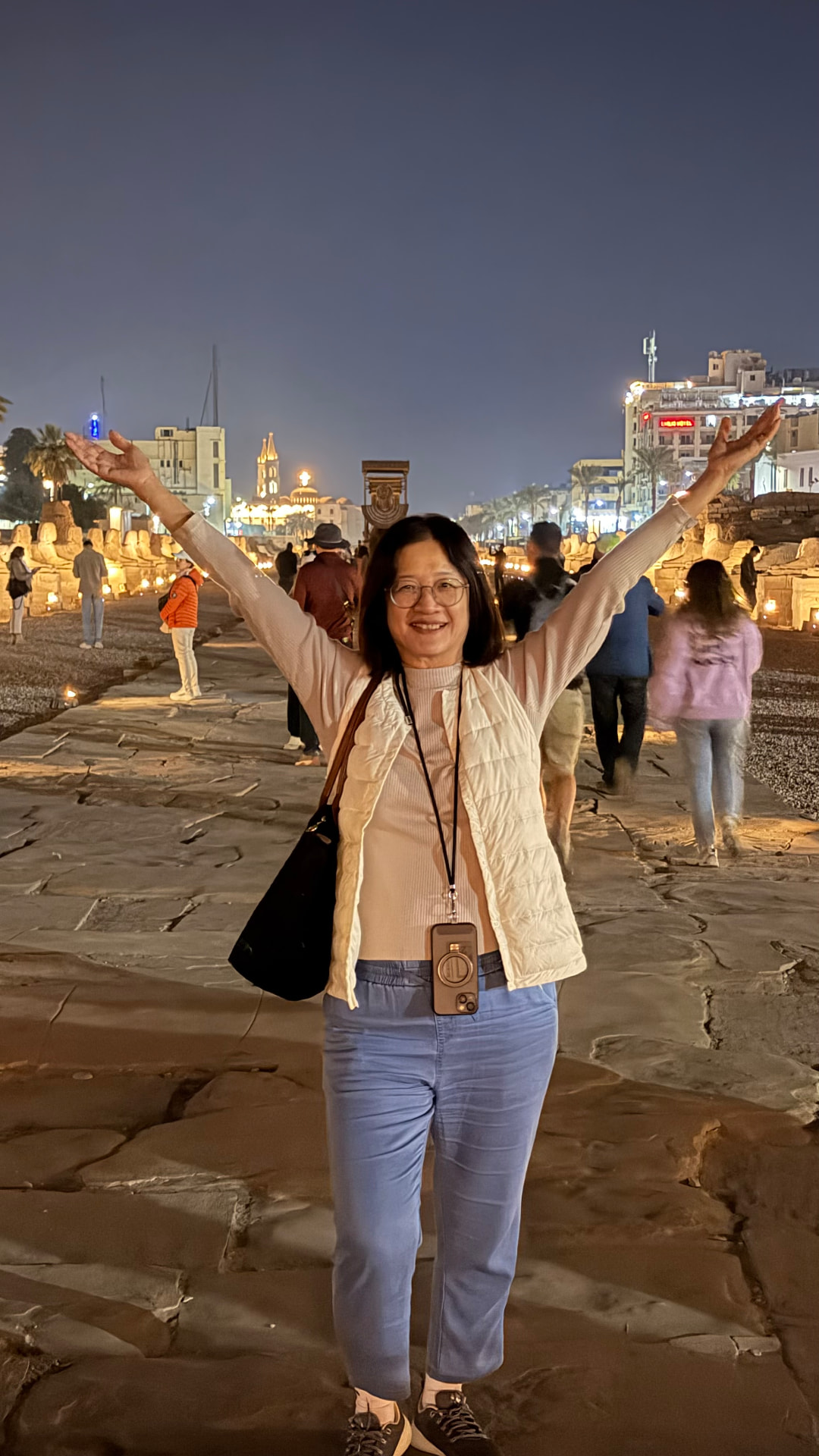
Luxor Temple we saved for the evening. The pylon and the obelisk go gold, the colossi of Ramesses sit in their own shadows, and the Avenue of the Sphinxes runs off into the town lights with a lamp at every plinth.
Chapter 09 · Valley of the Kings, and Deir el-Bahari
Down into the tombs
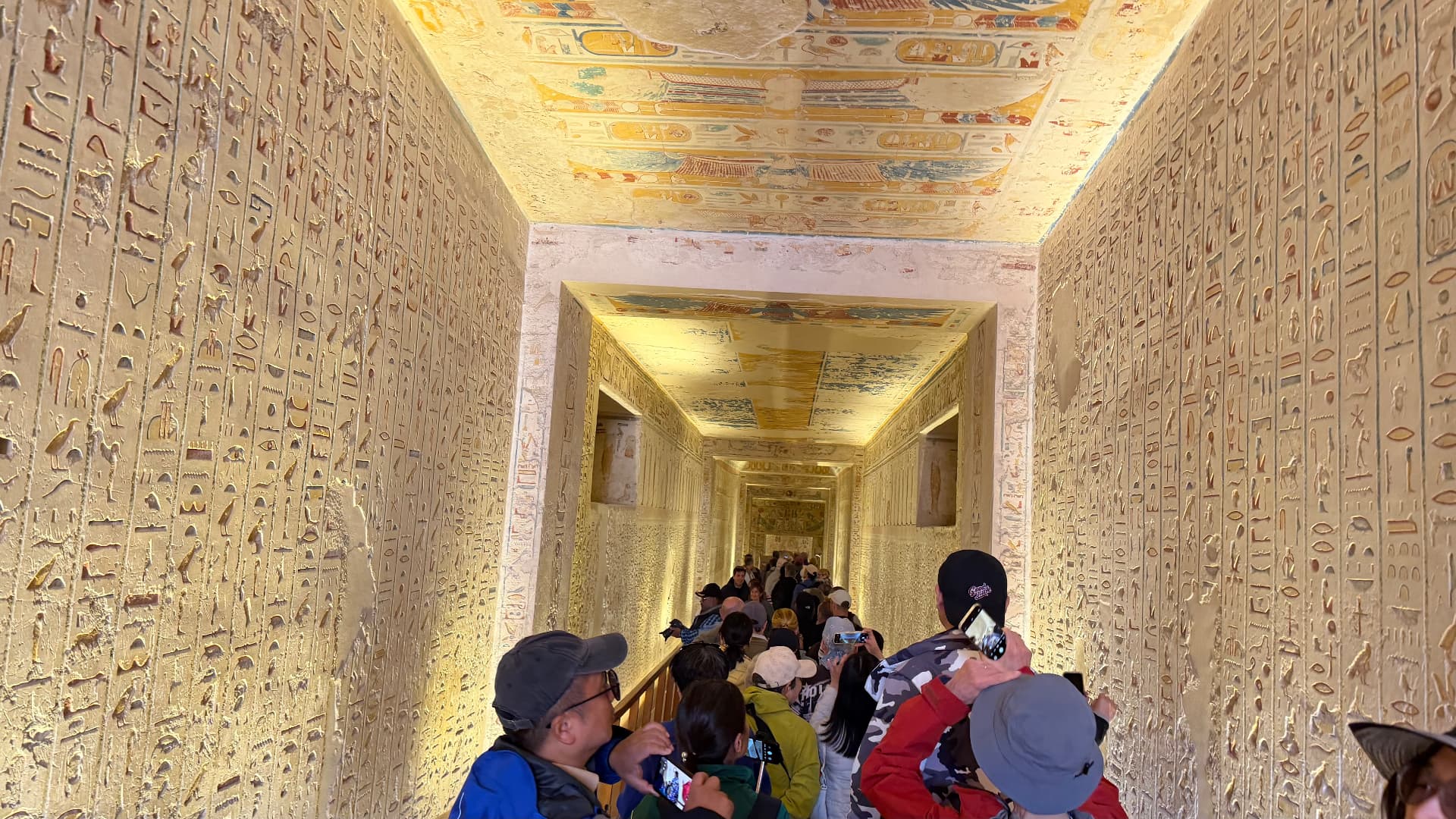
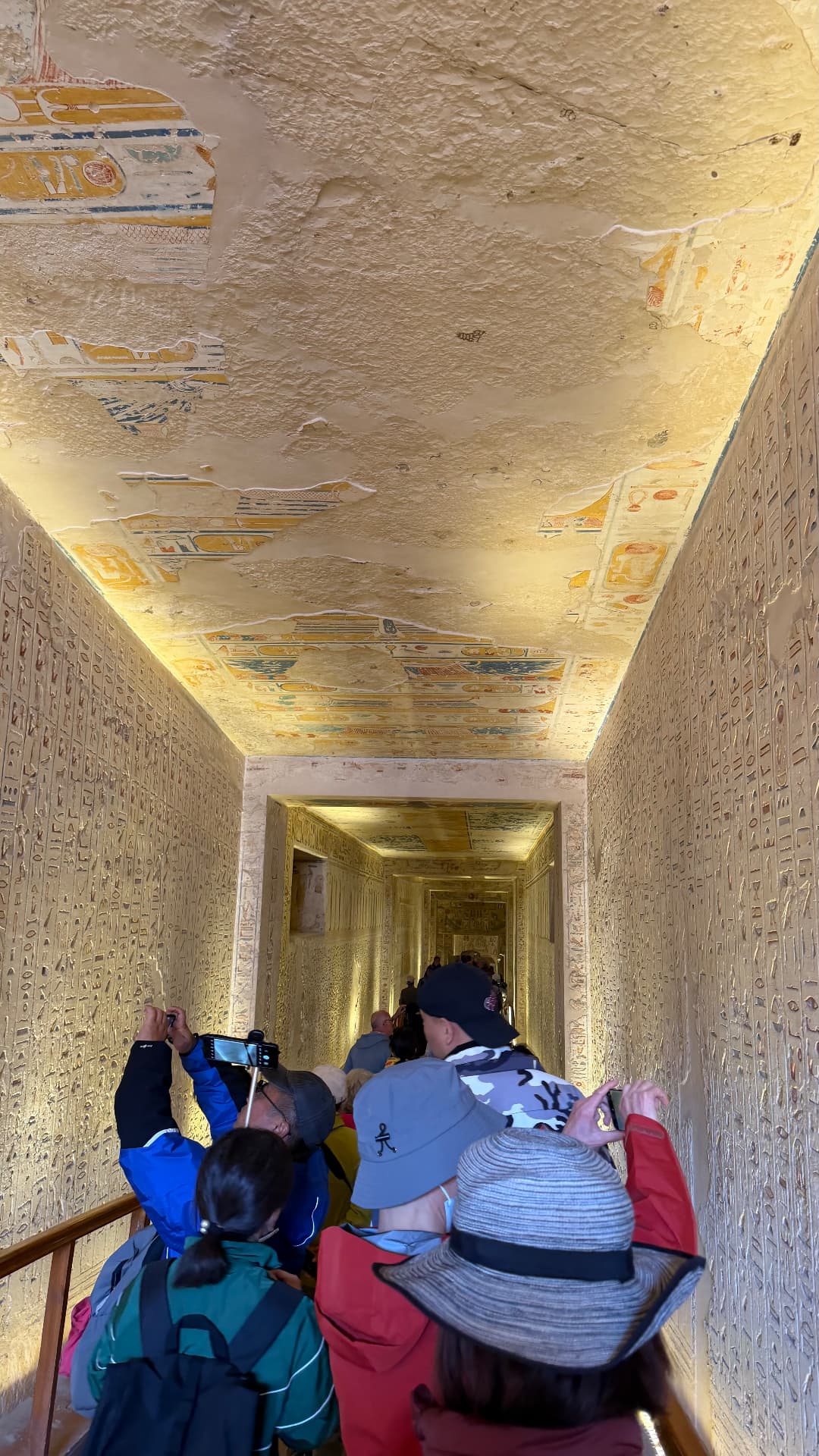
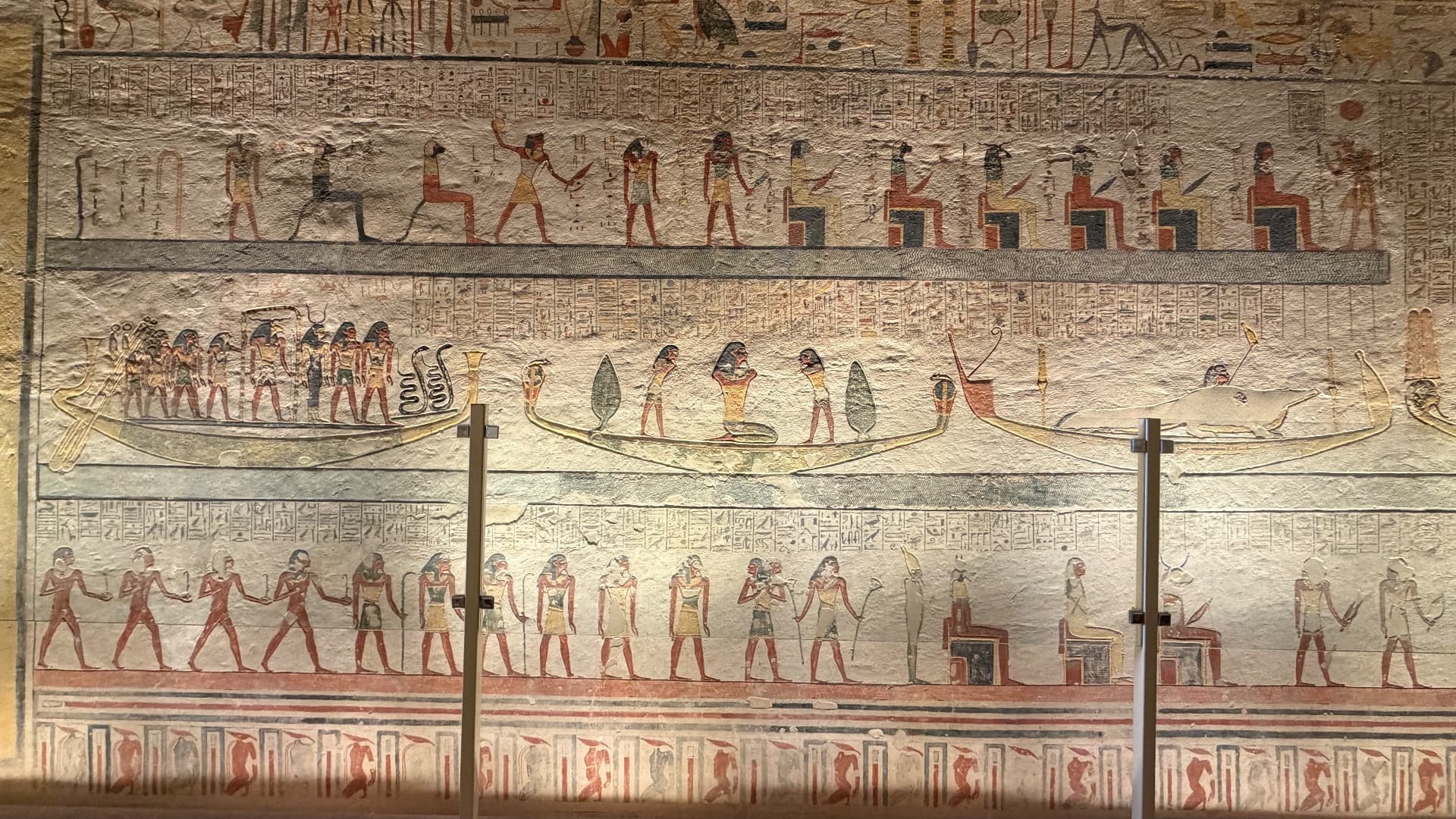
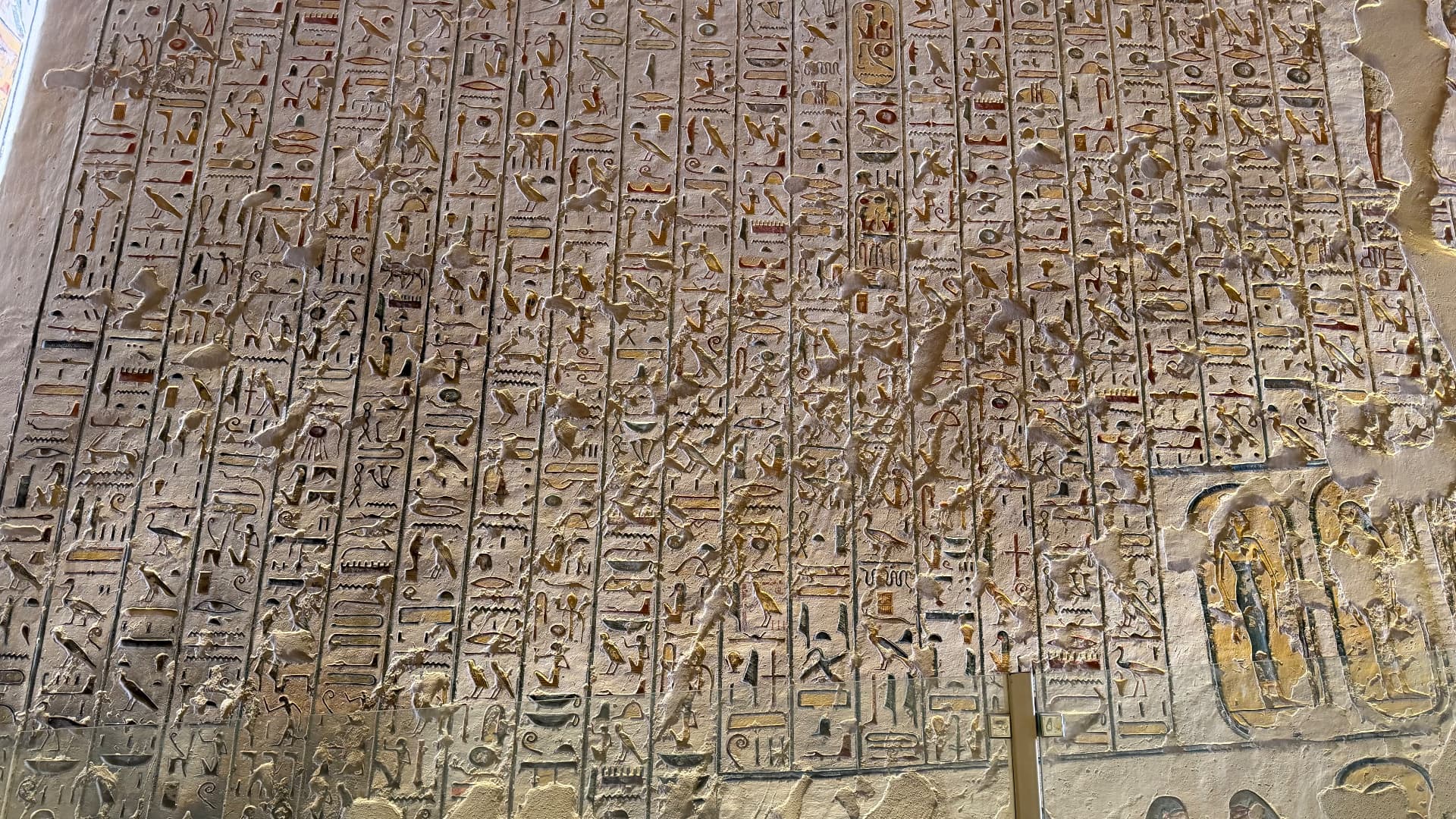
The tombs run straight down into the rock, and every surface is worked — columns of hieroglyphs on the walls, boats and stars across the ceiling, the colour still in them after three thousand years.
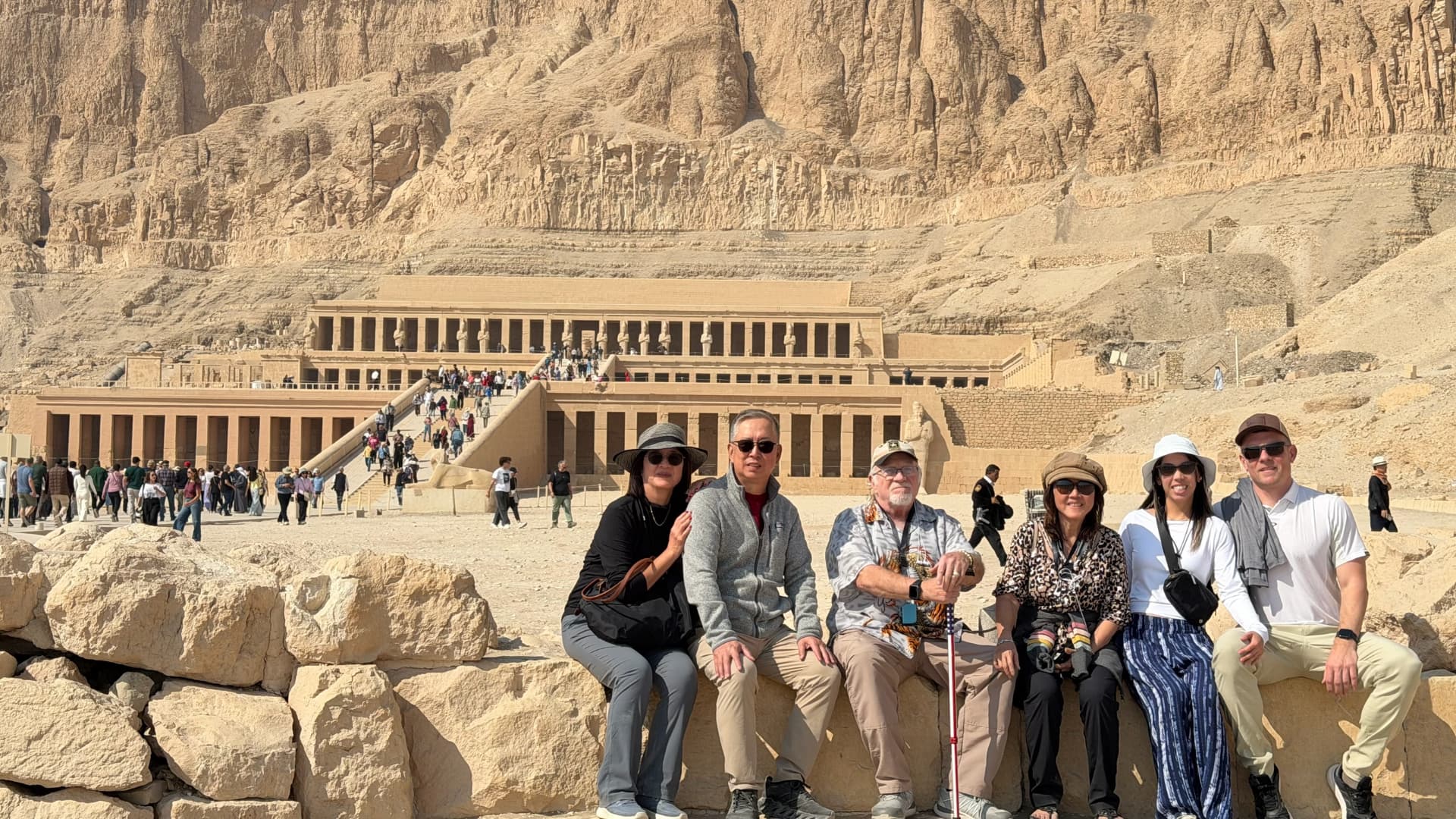
Back out in the light, Hatshepsut's temple sits in its cliff on the far side of the valley. We found a wall to sit on and took the group photograph there.
Highlights
- The Pyramids of Giza and the Sphinx
- The Egyptian Museum in Cairo
- The Aswan High Dam and the Aswan bazaar
- Kom Ombo and the crocodile museum
- The Temple of Edfu, floodlit at night
- The Esna locks and sunset on the Nile
- Karnak, Luxor Temple and the Avenue of the Sphinxes
- The Valley of the Kings and Hatshepsut's temple
More of the Egypt story — and the rest of the Africa collection — continues in the journal.
Open the Egypt segment in the Africa journal →